The Glanza is a premium hatchback sold with petrol and factory CNG options and is a common sight in city housing societies, where cars sit parked outdoors overnight.
The Glanza is sold in India with petrol and CNG versions. Whatever you drive, the pattern is the same: rats move in when the car sits still (overnight, over a weekend, or while you're travelling), and the damage is found only when a warning light comes on or the car won't start.
Where to check on your Glanza
- Top of the engine and battery: droppings and shredded nesting material are the earliest signs.
- Wiring harness and connectors: look for stripped insulation or exposed copper.
- Rubber hoses: coolant, vacuum and washer lines are soft chewing targets.
- Cabin air-filter housing: a favourite nesting spot; a shredded filter is a red flag.
If your Glanza runs on CNG
A CNG kit adds extra gas lines and a pressure regulator under the bonnet, which gives rats more soft material to chew, and damage here is a safety issue, not just a repair bill. Inspect the CNG lines whenever you check the bay, and if you see any bite marks, don't drive on CNG until an authorised CNG technician has checked the system. Never mount any accessory on or against CNG components.
Where to mount a repellent in a Glanza
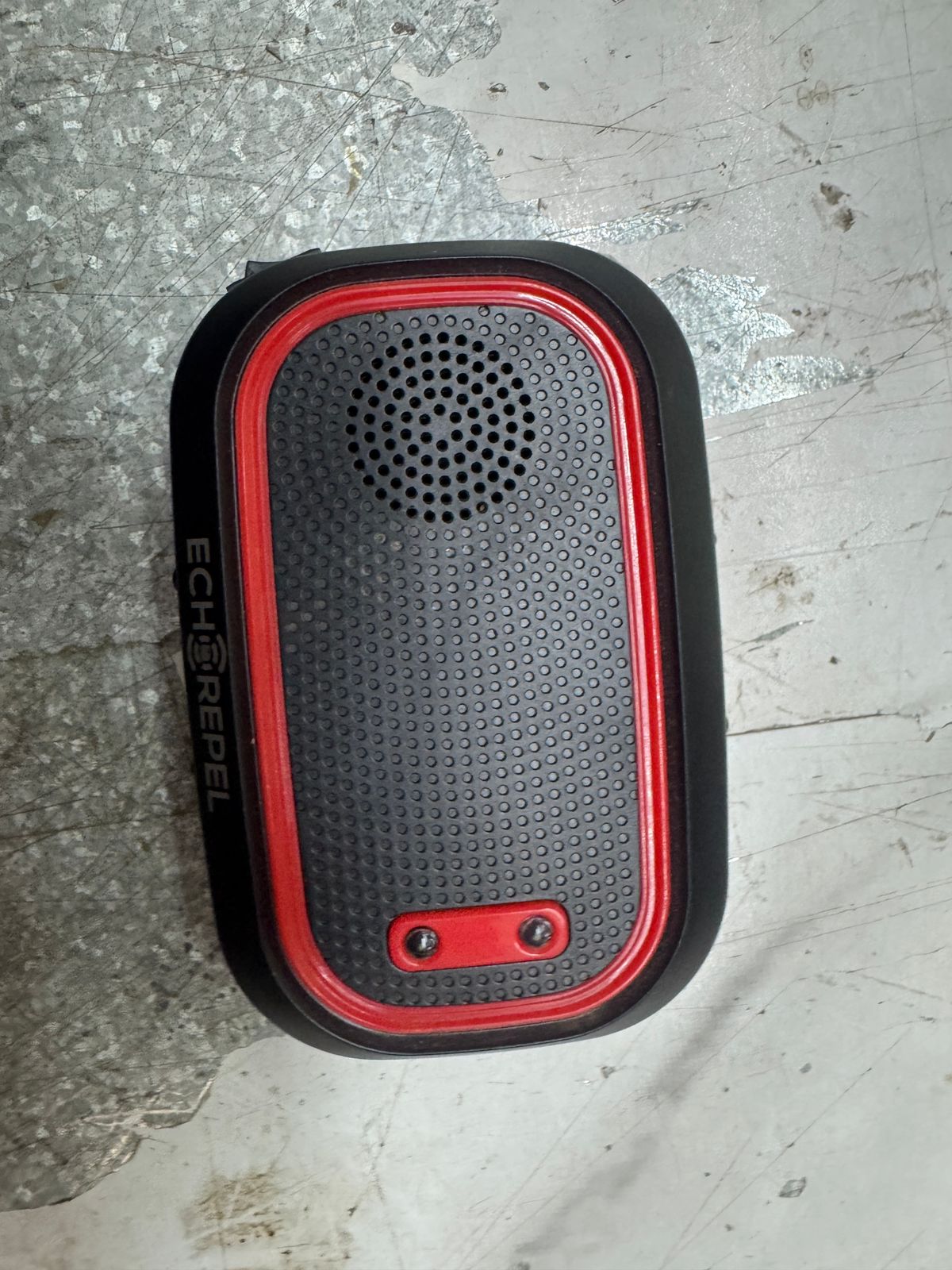
Choose a flat, secure spot under the bonnet away from the exhaust manifold, belts, fan and radiator, with the front grille facing open space rather than a panel. Secure the unit with the included straps so it can't move. If there's no convenient power point where you park, use AA battery mode.
What rat damage costs
A single chewed wire might be a few thousand rupees. A damaged harness or several sensors can run to ₹25,000–₹40,000 or more, plus towing and the days your Glanza is off the road. Prevention costs a fraction of one repair. The full breakdown is in the real cost of a rat in your car.