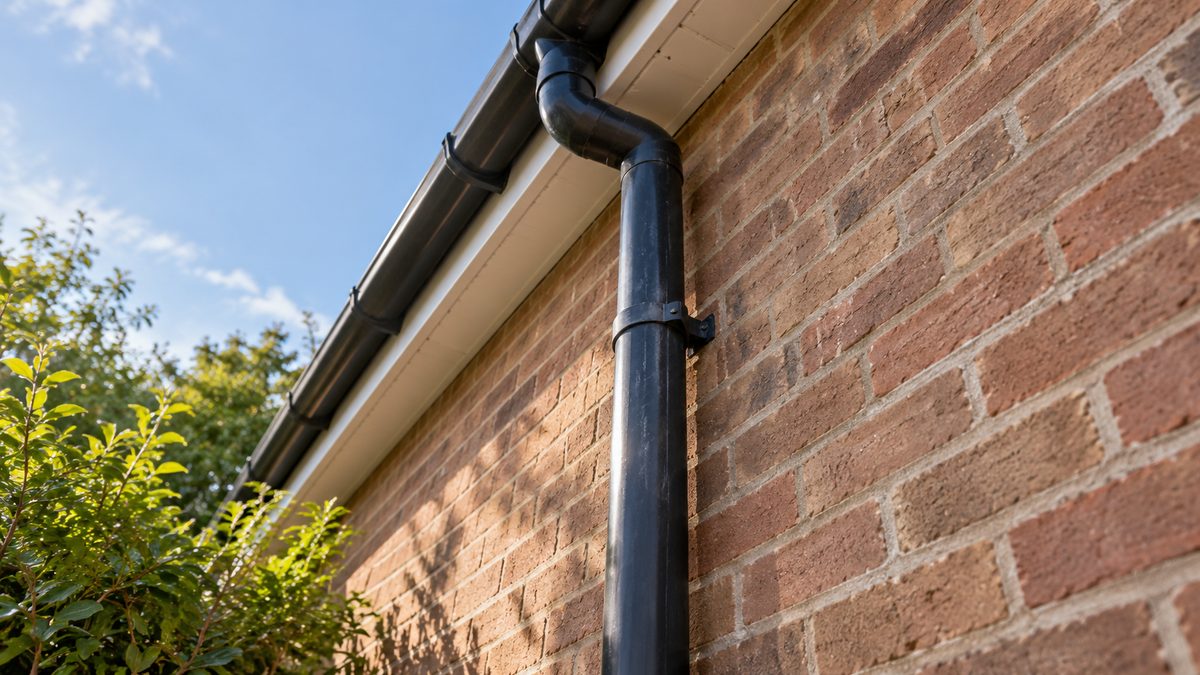
A rat on a fourth-floor balcony can seem impossible until you look at the building from outside. Drainpipes run past each floor, cables cross walls and tree branches reach ledges. These connections can turn the exterior into a series of climbing routes. Living above ground level reduces some exposure, but it does not remove the need to check openings.
Rough surfaces give claws something to grip
Rats can climb brickwork, textured plaster and other uneven surfaces when there is enough purchase. Cracks, mortar joints and projecting edges help. A clean sheet of glass or smooth glazed tile is harder to climb directly. Weathering, dirt and adjoining fittings can change the situation, so judging only the wall finish can miss the usable route.
Roof rats are particularly agile climbers and often use elevated nesting spaces. UC IPM’s rat guidance describes their use of trees, attics and ceiling voids. Other rats can climb too. You do not need to identify the species before asking maintenance to inspect a pipe opening or a damaged vent cover.
Look for a connected route
A rat rarely needs one uninterrupted climb up a bare wall. It may move from a tree to a balcony rail, along a ledge, then behind an outdoor AC unit. Pipes and cables provide additional support. Narrow corners may let an animal brace against adjoining surfaces, while brackets offer resting points. Inspect connections between these features rather than treating each one separately.
| Feature | Why it matters | Useful check |
|---|---|---|
| Rough wall | Texture offers footholds | Follow it towards openings and ledges |
| Pipe or cable run | Connects several floors | Inspect the surrounding wall penetration |
| Tree beside balcony | Branches approach the building | Ask maintenance about safe pruning |
| Smooth glazed surface | Harder to grip directly | Check nearby brackets and corners |
| Shared service shaft | Links concealed spaces | Arrange a coordinated building inspection |
Why sounds appear above your head
False ceilings create sheltered spaces around pipes, wiring and ducts. A rat can enter through a gap well away from the spot where scratching is loudest. Sound travels through panels and framing, making guesses unreliable. Note the time, room and fresh signs, then inspect an existing access hatch safely. Avoid opening electrical fittings or breaking panels without professional help.
Our guide to rats in the false ceiling covers the next checks. Repeated noise, droppings or chewed material warrants a pest-control inspection. Do not seal every suspected exit while animals may remain inside. Plan removal and exclusion together so a trapped animal does not chew another route or die in an inaccessible void.
Check these openings in an upper-floor flat
Start with the AC pipe hole. A decorative cover can hide a much larger opening behind it. Check where water pipes and waste lines pass through walls, including under sinks and behind utility appliances. Inspect vent mesh for loose edges. Look around balcony doors, drain covers and gaps beside railings where they meet enclosed storage areas.
Balconies often supply food as well as access. Remove fallen birdseed, pet food and open rubbish. Keep stored cartons away from walls so fresh signs remain visible. Shut the balcony door when unattended if its opening is unprotected. A loosely fitted insect screen is not a dependable rodent barrier; check the frame and the material before relying on it.
Seal without damaging building services
Use durable, gnaw-resistant repairs suited to the opening. Metal mesh must be securely fixed, with edges that cannot be pushed aside. Mortar or an appropriate sealant may be needed around service entries. Expanding foam on its own is easy to damage. A contractor should choose materials compatible with the pipe, wall and any fire-stopping requirements.
Never block required ventilation, AC drainage or appliance clearances. Keep hands and tools away from exposed electrical wiring. In rented flats, photograph the gap and send it to the owner or maintenance team with its location. For a room-by-room plan, use how to rat-proof your house. Shared routes need shared repairs; sealing one flat may leave the neighbouring opening active.
Keep checking after repairs
Record where repairs were made and inspect them for loosened edges or new gnawing. Look again after plumbing work or an AC replacement, when old seals may be disturbed. Ask the society to manage overflowing bins and vegetation near the building. These measures reduce the rewards that encourage rats to keep exploring an exterior route.
A home deterrent can be added alongside exclusion and food control. EchoRepel uses variable-frequency sound and an LED strobe, but walls and furniture limit where sound reaches. Place it according to its instructions and keep monitoring. Fresh signs after repairs mean the route needs another inspection, rather than a stronger assumption that height or a device will solve the problem.