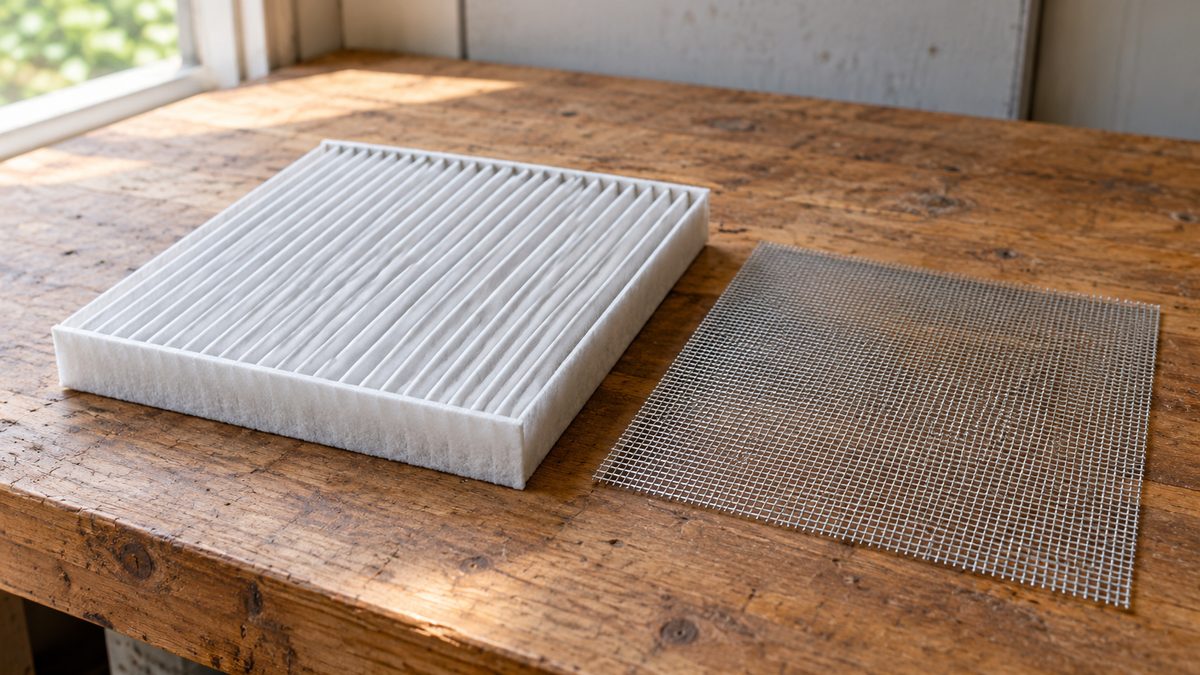
Car rat mesh is a barrier over an opening. The useful question at the workshop is which opening it will cover. A neat screen beneath the windscreen may help protect the route to the cabin filter while leaving the rest of the engine bay accessible. Ask for that distinction before agreeing to the work.
Terms such as rat net, cowl mesh and cabin filter mesh are sometimes used loosely. Get the technician to point to the proposed location on your car. A photograph of the finished fitting is more useful than a general promise that the vehicle is rat-proof.
Cabin intake and engine bay are different spaces
The cabin fresh-air intake draws outside air into the ventilation system. Its position and access vary by model, but it is often near the windscreen cowl. A correctly fitted barrier at an appropriate entry opening can stop a rodent following that particular route towards the filter and blower area.
The engine bay needs cooling, drainage, clearance for moving components and access for servicing. It cannot be treated like a sealed storage box. Rats may reach it from underneath, through wheel-arch areas or around other open passages. Covering the cabin intake does not put a protective screen around the wiring harness.
| Area | What a local mesh may do | What remains to check |
|---|---|---|
| Cabin fresh-air opening | Block the opening it covers. | Edges, airflow and accumulated leaves. |
| Cabin filter housing | Reduce access through a screened upstream route. | Other gaps and existing filter damage. |
| Engine wiring harness | No general protection from intake mesh. | Fresh bites and exposed insulation. |
| Underbody and wheel arches | Only covers a specifically assessed opening. | Cooling, drainage and moving parts. |
Questions to ask before fitting
Ask whether the material is stainless steel and how it will resist corrosion in your parking conditions. Request an explanation of the mesh opening size and wire thickness. The aim is a durable barrier that suits the route, rather than the finest screen available regardless of ventilation needs.
Have the workshop describe how it will secure the edges. Loose corners defeat the barrier, while sharp edges can damage nearby parts or injure someone during servicing. Ask whether drilling, adhesive or clips are proposed and what happens when the cowl or filter needs removal later.
Discuss airflow before installation. Ask the technician to check blower operation and explain how leaves, dust and debris will be removed from the mesh. A screen that starts clean may become restrictive if nobody knows it needs inspection. Keep the cleaning method with your service notes.
Ask the authorised service centre how the proposed modification affects warranty terms for the relevant components. Do not accept a blanket assurance from an accessory seller. Obtain a written description of the work and keep the invoice. Quotes vary by car and city, the locations covered and the labour involved.
Inspect damage before covering a route
If the cabin filter is shredded or the vents smell unusual, ask for inspection before running the blower. Fitting a screen over an already occupied space does not remove nesting material or repair damage. The workshop should assess the filter, blower area and surrounding routes first.
For a wider inspection list, read the signs of rats in a car. Visible wire damage needs its own assessment, as explained in how rats damage car wiring. Avoid driving with warning lights, damaged cables or suspected leaks until a mechanic has advised you.
Ask for clear before-and-after photographs. They should show the opening, the completed edge and any nearby drain or service fastener. At your next service, mention the screen so the technician does not overlook it or leave it loose after removing surrounding trim.
Combine the barrier with parking habits
Remove food wrappers from the cabin and avoid leaving pet food or bird feed beside the parking bay. Ask the society to keep waste bins closed and clear stored cardboard near cars. These steps reduce nearby food and shelter even when the vehicle has several routes that cannot be screened.
Check under the bonnet when the engine is cool, especially after several days parked. Look without reaching towards belts, fans or hot components. Photograph fresh signs and tell the workshop where they appeared. A clean intake screen does not rule out activity elsewhere.
EchoRepel uses variable-frequency output and a red and white LED strobe as a deterrent layer. Secure it away from heat, water and moving parts, with the front grille unobstructed. Solid barriers affect the sound path, so placement matters. It cannot repair a gap, remove a nest or guarantee that rats stay away.
Keep a record of the fitting, cleaning and any new activity. If signs return, revisit the route rather than adding more mesh at random. A workshop can assess the missed opening while preserving the systems the car needs to operate safely.