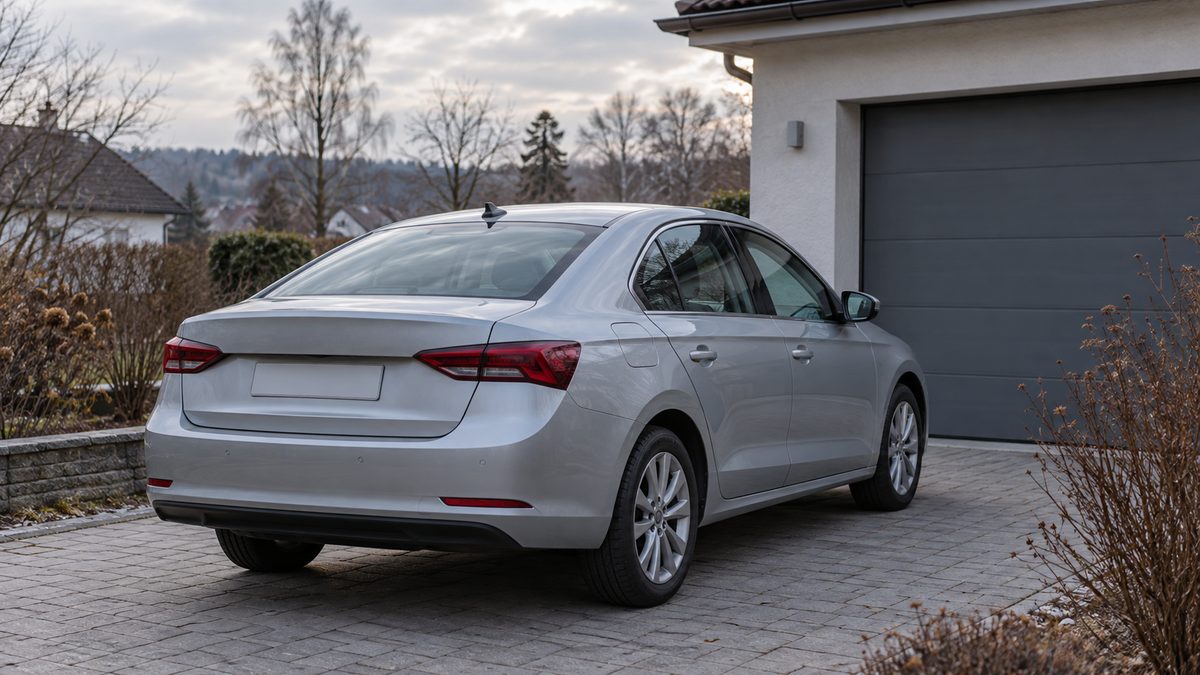
Before leaving your car parked for the winter holidays, remove food, inspect for existing rodent signs and choose the cleanest practical parking place. Arrange for someone to look for new activity while you are away if possible. No single parking trick prevents mice, so combine preparation with a careful check before the car is driven again.
Empty the car beyond the visible seats
Check door pockets, the space beneath child seats, the boot floor and any shopping bags. Crumbs and forgotten snacks are easy to miss when packing for a trip. Remove pet treats and bird seed as well as obvious human food.
Clean an uncontaminated interior before departure, including the edges of mats and the spare-wheel storage area if accessible. Do not vacuum suspected droppings or a nest. Stop ordinary cleaning if you find those signs and arrange controlled removal first.
Take out spare tissues, loose paper and unnecessary fabric bags that could become nesting material. This does not make the cabin impossible to nest in, but it removes avoidable supplies and lets the person checking the vehicle see changes more clearly.
Choose a parking space you can keep under observation
Compare the immediate surroundings rather than assuming indoors is always safer. A garage containing open feed sacks, stacked cardboard and a poorly fitting door may offer rodents shelter beside the car. An outdoor bay beside overflowing bins has a different but related problem.
If you have a choice, avoid dense vegetation, rubbish stores and piles of unused material. Clear the ground around a home parking space without blocking drainage or placing debris beneath another vehicle. In shared parking, report recurring waste problems to the manager.
Our explanation of how rodents find a parked car helps you assess nearby routes. Do not move into a space that is unsafe, unauthorised or unsuitable for long parking just to gain distance from a hedge.
Inspect under the bonnet before departure
With the engine cool and switched off, use a torch to look for leaves, shredded material, droppings and gnawed insulation. Keep hands away from fans and moving components, which may operate unexpectedly on some vehicles. Follow the handbook for safe access.
Inspect the accessible area below the windscreen and the visible edges of air-filter housings. Do not open unfamiliar assemblies or pull at wiring. If signs are already present, fix the problem before leaving the vehicle unattended.
The guide to rodent signs in a car gives you a useful comparison. Photograph the clean, accessible areas so a returning check is based on a known starting point.
Leave a practical handover rather than a vague request
| Task for the person checking | Useful detail to leave |
|---|---|
| Look around the parked car | Where to check for new food waste or nesting debris |
| Inspect visible bonnet areas if competent | Handbook instructions and your baseline photographs |
| Report a change | Your contact and the workshop contact |
| Avoid starting a suspect vehicle | Stop if there is chewing, a nest, a leak or an unusual smell |
Agree what access the person has and what they are comfortable doing. A visual visit is useful even when they cannot drive. Do not ask someone to run the engine briefly in a closed garage or to reach into areas they do not understand.
Battery care is a separate storage issue. Follow the vehicle handbook for an approved maintenance method rather than disconnecting the battery by habit. See battery considerations for a parked car before planning a longer absence.
Avoid improvised barriers and scent treatments
Do not stuff rags into intakes or exhaust openings as a casual rodent measure. Forgotten obstructions can create another hazard when the car is used. Likewise, do not wrap hot components, spray household chemicals onto wiring or scatter bait inside the engine bay.
If an intake barrier is being considered, ask a workshop whether the design is appropriate for that vehicle. Airflow, water drainage and service access must remain intact. A modification copied from another car may be unsuitable.
Read the installation and power instructions for any fitted accessory before leaving it connected. The EchoRepel Car Rat Repellent uses ultrasonic sound that rats and mice want to avoid and is poison-free. It cannot replace cleaning, inspection or repairs, and results are not guaranteed.
Inspect before the first journey home
Allow time for a bonnet and cabin check before loading luggage. Look for new droppings, shredded material, warning lights, damage and unusual smells. Do not use the heater fan to test whether a suspect nest will clear itself.
If you find chewed wiring, a blocked intake or a nest near hot parts, leave the engine off and contact a workshop. Arrange recovery if needed rather than driving to see whether the problem settles.
When the inspection is clear, follow the normal starting procedure in the handbook. Keep watching the parking area after you return, particularly if nearby bins or vegetation changed during your absence.