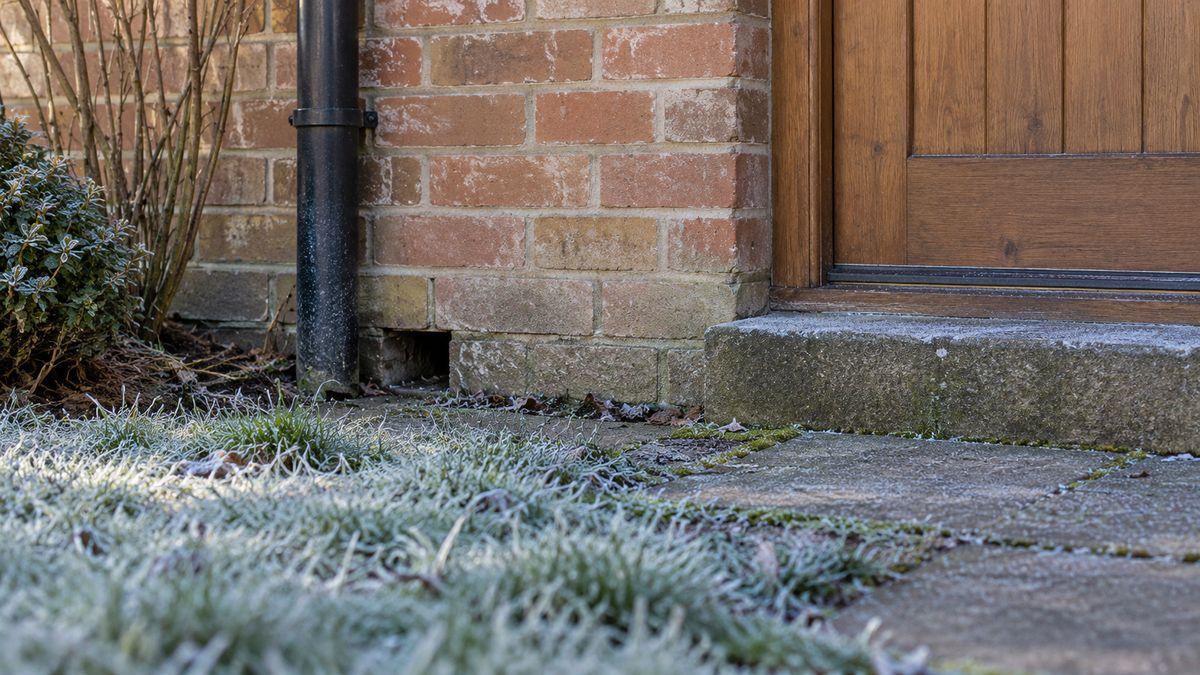
Rats may move indoors when colder conditions make sheltered food and nesting places more attractive. Check accessible openings, stored food and quiet corners before signs become established, while recognising that indoor activity can occur in any season.
Why the cold drives them indoors
Outdoors, cooler nights mean rats burn more energy staying warm, while food gets harder to find. A home offers both warmth and food in one place. That makes this the season when an occasional visitor turns into a resident.
The warm spots they head for
- Behind the fridge: the motor keeps it warm all night.
- Near the geyser or water heater.
- The false ceiling: warm, dark and rarely disturbed.
- Kitchen cabinet bases: close to food, out of sight.
- Storerooms: cartons and clutter make perfect nesting material.
Get ahead of it
- Seal gaps: anything wider than 2 cm, especially where pipes enter walls.
- Store food properly: sealed containers, no open grain sacks.
- Declutter storerooms: less nesting material, fewer hiding spots.
- Make problem zones uncomfortable: before rats settle, not after.
What "winter" means for rats in different parts of India
India's winters vary a lot, and so does the pressure on your home:
- North India (Delhi, Punjab, UP, Rajasthan): nights can drop close to freezing. This is where the indoor push is strongest, from late October through February.
- Hills and the North-East: long, cold winters mean rats seek shelter in homes, sheds and stored-grain areas for months.
- Mumbai, Chennai and the coast: winters are mild, so the cold is less of a driver. The monsoon is the big season here, when flooded drains and burrows push rats indoors.
- Bengaluru, Pune and the Deccan: cool nights are enough to make warm kitchens and false ceilings attractive.
Wherever you live, the pattern is the same: whenever the outdoors gets harder, the indoors gets busier.
Early signs a rat has already moved in
- Droppings: dark, about the size of a rice grain or larger, near food or along walls.
- Gnaw marks on packets, plastic containers, wooden edges or wires.
- Scratching at night in the ceiling or walls.
- Greasy smudges along skirting where rats brush the same route every night.
- A musky smell in a storeroom or behind appliances.
If you're seeing more than one of these, read one rat or an infestation, how to tell before deciding what to do.
A room-by-room pre-winter check
| Room | What to check |
|---|---|
| Kitchen | Gaps behind the stove and under the sink, open grain, crumbs behind the fridge |
| Storeroom | Cardboard cartons, old newspapers, sacks, move to sealed plastic boxes |
| Bathroom / utility | Floor drain grates, gaps around pipes, washing-machine outlet |
| Balcony | Pet food, birdseed, plant pots and clutter in corners |
| False ceiling / loft | Openings around AC pipes and cable entries |
What not to do
- Don't rely on poison indoors. A poisoned rat often dies inside a wall or ceiling, leaving a smell that lasts for weeks. See why poison is a bad way to deal with rats.
- Don't block an entry while a rat is still inside: it will chew a new way out, often somewhere worse.
- Don't wait for the problem to grow. Rats breed quickly; one pair becomes a family within weeks.
For why rats move indoors in winter, the EchoRepel Home Rat Repellent is a supporting option using ultrasonic sound that rats and mice want to avoid. It is poison-free. For why rats move indoors in winter, use the device only as instructed and assess new signs rather than assuming protection.
Look for changes around your own home
Rather than relying on a calendar date, note colder nights, nearby building work, newly stored grain or a change in waste collection. These can alter the opportunities around a property. A warm kitchen with an open pipe gap is worth inspecting even where winter temperatures are mild.
Walk the accessible exterior at ground level and note damaged vents, door gaps and service entries. Do not climb onto a roof or reach into a drain. Indoor checks should follow the same practical route: food storage, under-sink spaces, quiet cupboards and accessible utility areas.
Store winter belongings so they can be inspected
Seasonal bedding, clothing and decorations can hide shredded material if left in open cartons. After checking that items are clean, use suitable closed storage and leave room to inspect edges. Avoid piling belongings around electrical equipment, heaters or service access panels.
If you find droppings, stop sorting the box and follow official clean-up guidance. Do not shake contaminated fabric through a room or vacuum the carton. Extensive contamination or a hidden nest needs professional assessment before belongings are moved into living spaces.
Arrange repairs in the right order
An entry repair should be coordinated with removal so animals are not trapped in a wall or ceiling. Ask a pest professional which routes are active and how later checks will confirm the work has held. Use appropriate durable repairs while preserving ventilation and drainage.
If you rent or share a building, report the precise defect and evidence to the responsible manager. A pipe gap in your kitchen may connect to a communal shaft that needs wider work. Keep pets' necessary care in place while reducing spills and unsecured food. For a bite or illness after exposure to rodent material, seek medical advice. Seasonal preparation is useful because it makes checks and repairs easier; it does not establish that a house will remain free of rodents all winter.
For why rats move indoors in winter, related questions include how to rat proof your house.
Frequently asked questions
Should I wait for a cold spell before checking cupboards?
No. Indoor activity can occur in any season. Stored food, quiet nesting cover and open routes are worth checking whenever fresh signs appear.
Can winter bedding in open cartons attract nesting?
Soft, undisturbed storage can provide cover and material. Check items safely before moving them into living spaces, and keep clean belongings in suitable closed storage.
Who should repair an opening into a communal shaft?
Report it to the building manager or landlord with its location and evidence. Coordinate pest removal and suitable repairs across shared routes rather than filling only your side blindly.
Does turning down the heating stop rats coming in?
Do not compromise normal household comfort or safety as pest control. Address openings, accessible food and nesting cover, and arrange removal if fresh activity is present.