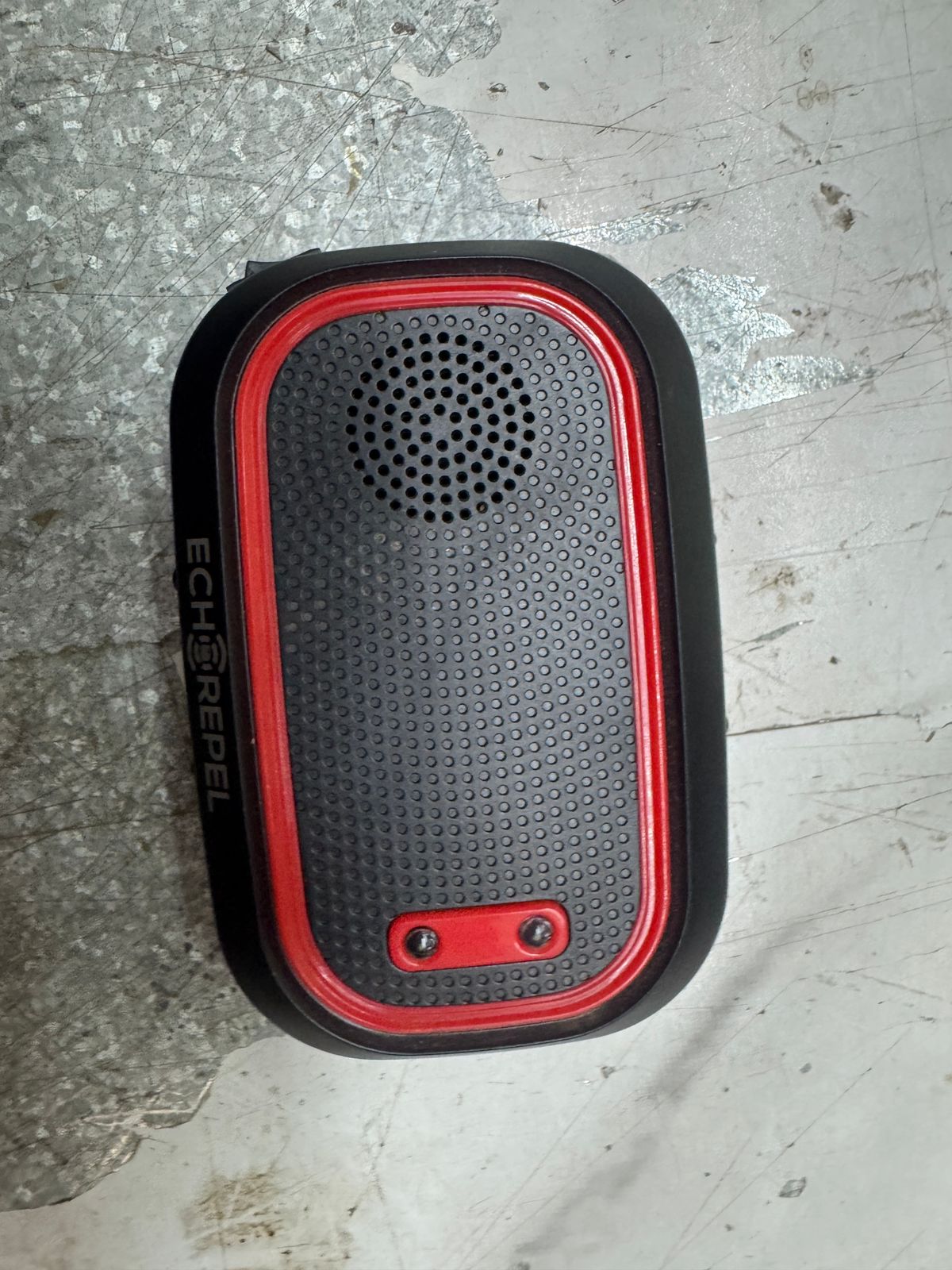
The Verna is a mid-size sedan with a long engine bay and plenty of wiring for its sensors and features, all of which a rat can reach while the car is parked.
The Verna is sold in India with petrol power. Whatever you drive, the pattern is the same: rats move in when the car sits still (overnight, over a weekend, or while you're travelling), and the damage is found only when a warning light comes on or the car won't start.
Where to check on your Verna
- Top of the engine and battery: droppings and shredded nesting material are the earliest signs.
- Wiring harness and connectors: look for stripped insulation or exposed copper.
- Rubber hoses: coolant, vacuum and washer lines are soft chewing targets.
- Cabin air-filter housing: a favourite nesting spot; a shredded filter is a red flag.
Where to mount a repellent in a Verna
Choose a flat, secure spot under the bonnet away from the exhaust manifold, belts, fan and radiator, with the front grille facing open space rather than a panel. Secure the unit with the included straps so it can't move. If there's no convenient power point where you park, use AA battery mode.
What rat damage costs
A single chewed wire might be a few thousand rupees. A damaged harness or several sensors can run to ₹25,000–₹40,000 or more, plus towing and the days your Verna is off the road. Prevention costs a fraction of one repair. The full breakdown is in the real cost of a rat in your car.