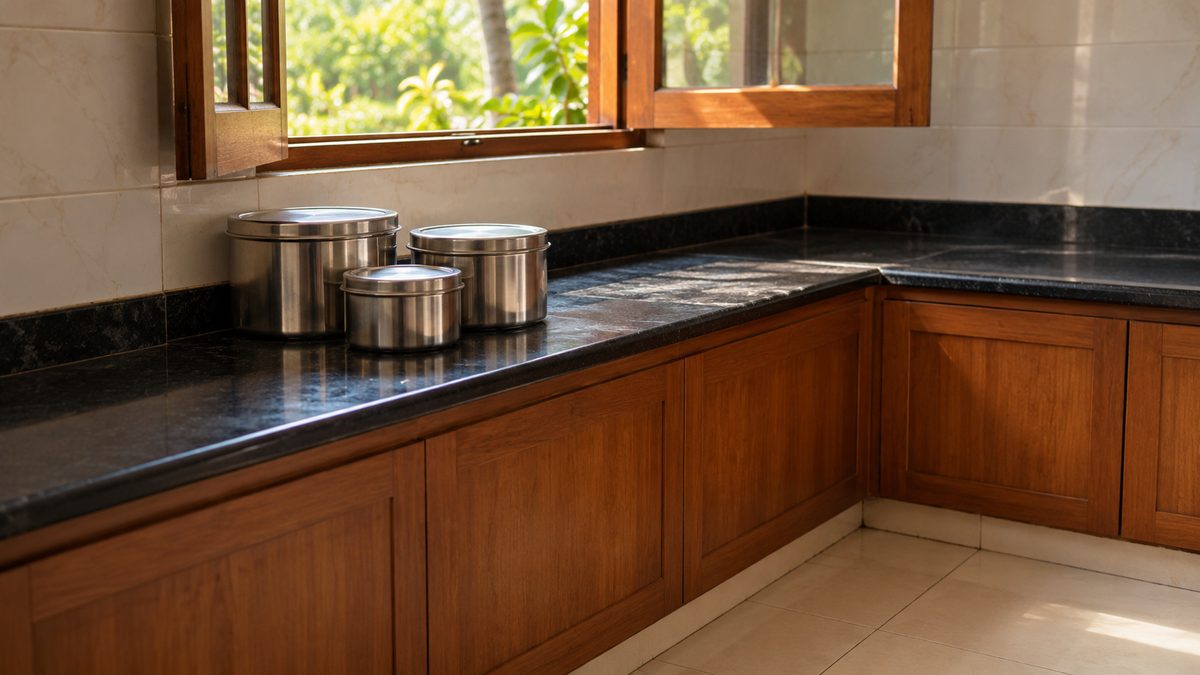
Rat prevention can slip between the big cleaning days. A torn rice packet stays on the storeroom shelf, the bin lid sits open after dinner and a balcony tap drips through the night. Small routines help catch these opportunities before they become part of a rat's regular route.
This checklist focuses on repeat tasks you can share across a household. For durable materials and entry repairs, use our house sealing guide. Once those repairs are done, habits keep food, water and hiding places from building up again. They also make new damage easier to spot.
Reset the kitchen before bed
Start with food. Return flour, rice, pulses, biscuits and dry fruit to sound containers with tight lids. Folded packets and clips may stop a spill, but leave packaging available to gnaw. Check container bases for loose grain before putting them back. Refrigerate suitable leftovers promptly instead of leaving plates out overnight.
Wipe the hob after it cools and clean crumbs from the dining area. Look beneath the toaster, beside the fridge and around the cooker stand where it is safe to reach. Avoid pulling heavy appliances alone or disturbing gas connections. Add inaccessible spills to a planned cleaning job with suitable help.
Rinse food residue from utensils and clear the sink strainer into the waste bin. Dry avoidable puddles on the counter and floor. A short consistent reset is easier to maintain when each person knows their task: one clears food, another handles dishes and someone checks the bin before lights out.
Close waste and manage pet feeding
Use a bin with a lid that closes fully. A bag hanging from a handle leaves scraps accessible. If collection happens the next morning, keep the bag inside a closed bin until the collection time. Wipe gravy or oil from the rim and clean spills beneath the bin rather than hiding them under a fresh liner.
Feed pets at set times where that suits their care routine, then remove uneaten food and wash the bowls. Store dry pet food in a closed, sturdy container. Keep necessary drinking water available to your pet; manage the location and surrounding spills instead of depriving an animal of water to deter rats.
Give recurring checks a place in the week
| When | Task | What to record |
|---|---|---|
| Every evening | Store food, clear crumbs, close bins and remove pet leftovers | Spills or damage needing follow-up |
| Weekly | Inspect storeroom stock and clean beneath accessible shelves | Split packs, gnawing or fresh droppings |
| Weekly | Check balcony corners, plant trays and waste area | Standing water, clutter or scattered food |
| Weekly | Look beneath the sink and around taps | Leaks to report and repair |
| Monthly | Recheck doors, mesh and repaired service openings | Loose edges, new holes or chewed repairs |
| Monthly | Review shared-building complaints and unfinished repairs | Owner and completion date for each job |
Keep the storeroom easy to inspect
Work through one shelf each week rather than waiting for a full annual clear-out. Rotate older food forward, inspect rarely opened grain bags and discard damaged food safely. Do not taste food that rodents may have contaminated. Remove empty delivery cartons instead of building a deep stack behind stored provisions.
Keep frequently used items reachable and leave room to see the floor along walls. If signs appear in a dark corner, avoid reaching blindly behind boxes. Our guide to finding a rat nest indoors explains what to inspect and when an inaccessible space needs professional attention.
Check water and balcony clutter
Look for dampness beneath the sink, behind the washing machine and near balcony taps. Report a leak with its location and a photograph so maintenance can find it. Empty unnecessary standing water from trays and buckets while keeping drains functional. A towel under a recurring leak postpones the repair and hides the pattern.
Balconies can collect spare tiles, unused pots and sacks of gardening material. Reduce piles and keep corners visible. Avoid leaving bird feed or pet food overnight. In a society building, coordinate rubbish collection and drain repairs with maintenance staff; one flat cannot resolve an open shared waste area through indoor cleaning alone.
Notice signs early and review the routine
During the monthly check, look again at pipe entries, door edges and mesh without dismantling equipment. Log new damage and arrange a suitable repair. The CDC rodent prevention guidance supports combining sealed food and waste with entry repairs. A checklist works best when unfinished jobs have an owner and a date.
Fresh droppings, gnawed containers or repeated sightings mean rats may already be inside. Avoid dry sweeping or vacuuming droppings; follow suitable wet-cleaning guidance and get help for extensive contamination. Arrange trapping or professional removal as needed. EchoRepel can support prevention in a suitable dry zone, but it does not replace these steps or resolve an established infestation on its own.