Removing mice from a house takes trapping, food control and repairs together. A mouse caught tonight does not close the opening used by the next one. Start in the area with fresh signs, make traps inaccessible to children and pets, and plan a careful inspection of adjoining rooms.
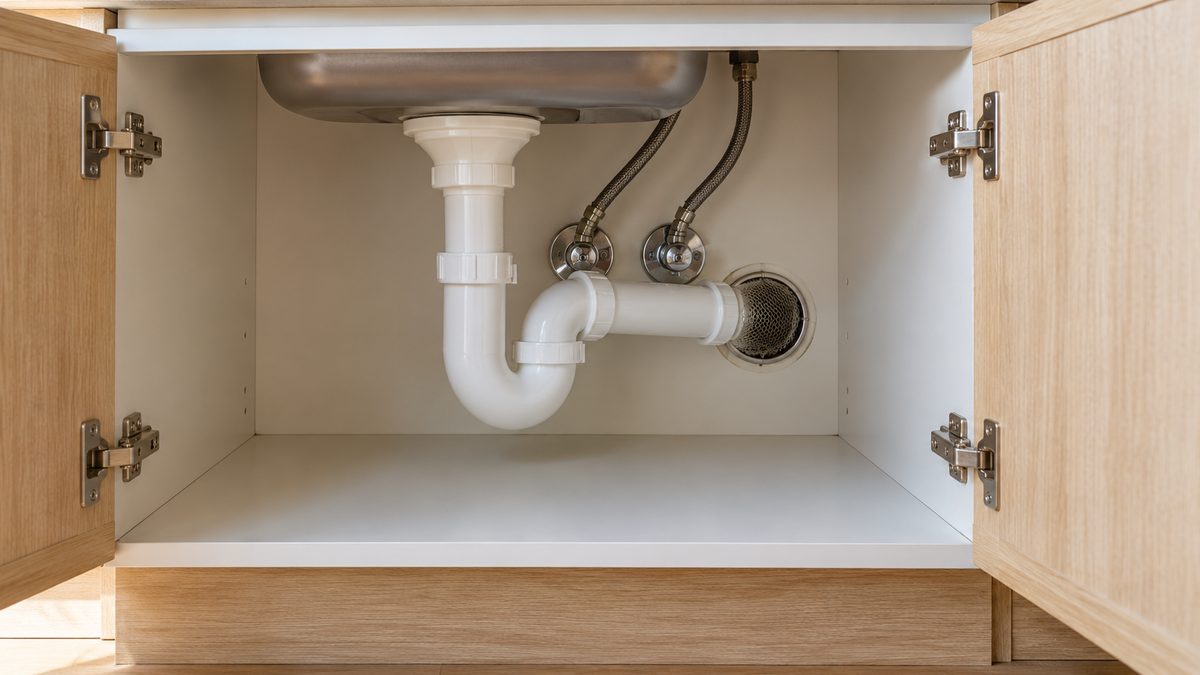
In an Indian flat, look around kitchen cabinets, the utility balcony and service pipes. In a house, add exterior door bottoms and storage adjoining the kitchen. Shared plumbing shafts may need society maintenance as well as work inside your own home. Keep a note of each place with recent activity.
Identify mice and rats
Mice are smaller than adult rats, with finer features and smaller droppings. Young rats can confuse the comparison, so do not rely on one glimpse. Look at several clues and use our rats versus mice identification guide when choosing trap size and entry repairs.
| Sign | What to inspect | Next step |
|---|---|---|
| Small droppings | Shelf corners and floor edges | Wet-clean safely and watch for new deposits |
| Nibbled packets | Grains, biscuits and pet food | Discard contaminated food and improve storage |
| Shredded paper | Quiet boxes and cupboard corners | Check for nesting without reaching blindly |
| Night-time scratching | Nearby cupboards or accessible voids | Inspect for supporting signs before opening panels |
Scratching alone does not identify the animal. A torch inspection may reveal insects, loose material or another source. Avoid scattering flour to track movement in a kitchen, where it creates another food source and makes contaminated surfaces harder to manage.
Set mouse-sized traps along walls
Use sturdy mouse-sized snap traps according to their instructions. Place the trigger end close to the wall, at a right angle to the route, rather than in the middle of the room. Position several protected traps near fresh signs if necessary, while leaving yourself safe access for checks.
A small dab of suitable food bait is enough; a large pile can be taken without triggering the mechanism. Remove competing food from the floor and counters. Keep exposed mechanisms away from pets, fingers and bare feet, using a suitable protective enclosure wherever access is possible.
Check traps daily and record catches and fresh signs. If nothing happens, reconsider placement, trap size and food access before buying more deterrents. Avoid glue boards, which can cause prolonged suffering. Get professional help if you cannot place traps safely or cannot identify where activity is coming from.
Close gaps smaller than a centimetre
A mouse can squeeze through an opening around six millimetres wide, according to CDC guidance on sealing rodent entry points. Check the edges around sink pipes, cable entries, utility doors and damaged screens. A gap that looks too small for a rat can still admit a mouse.
For a suitable small opening, pack steel wool into the gap and secure it with compatible sealant so it cannot be pulled loose. Larger holes need durable mesh, metal flashing or masonry repairs. Foam alone is vulnerable to chewing. Ask a tradesperson to choose materials appropriate to heat, moisture and the surface.
Never push metal wool into electrical fittings or seal required ventilation, drainage or gas-appliance clearances. Ask a qualified technician about openings around services. Coordinate trapping and repairs so rodents inside a closed void are not overlooked. The house rat-proofing guide provides a wider inspection route.
Make stored food harder to reach
Move rice, atta, pulses and snacks from thin packets into hard containers with tight lids. Inspect the shelf before returning clean containers. Discard food with gnaw marks or rodent contamination; wiping the outside of a damaged packet does not make its contents safe.
Clean crumbs from below appliances where access is safe, wipe oil spills and empty food waste regularly. Keep the bin shut and remove pet food after meals. Clear spare cardboard from the pantry, leaving floor edges visible so new droppings are easier to spot during checks.
Clean droppings with a wet method
Ventilate before cleaning and put on rubber gloves. Wet droppings and contaminated material with a suitable disinfectant, wait for the label’s contact time and wipe them up with paper towels. Bag the waste and follow local disposal guidance. Clean the surrounding surface and wash your hands after removing gloves.
Do not sweep or vacuum dry droppings, which can put contaminated particles into the air. A mask does not make dry sweeping a safe shortcut. For nests, many droppings or contamination inside ventilation systems, arrange trained help. See the CDC cleanup precautions for additional detail.
Keep checking after the first catch
Inspect cleaned areas for new signs and recheck repaired gaps. Review the kitchen routine with everyone at home so an open snack packet does not undo the food-storage work. Our guide to reducing rodent access in the kitchen covers useful daily habits.
A continuous deterrent can support that routine in an open problem zone, but it cannot replace traps or a physical repair. Keep ultrasonic devices away from pet rodents and stop use if other pets appear uncomfortable. Continuing catches or activity in several rooms warrants professional assessment and coordinated building repairs.