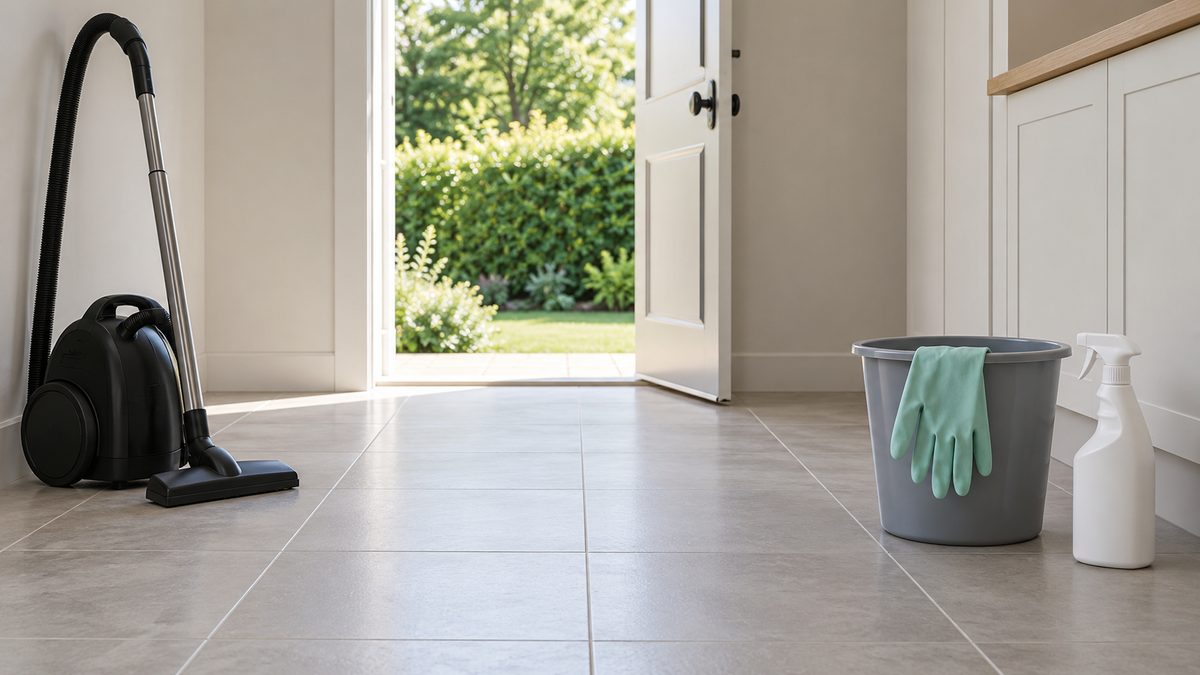
If you accidentally vacuumed mouse droppings, stop using the vacuum, keep people away from the affected area and follow official rodent clean-up guidance. Vacuuming can disturb contaminated dust; the next task is to contain the mess and arrange safe cleaning.
Step 1: Stop and ventilate
Switch the vacuum off and leave it where it is for now. Open doors and windows and leave the room for 30 minutes so fresh air can move through. Keep children and pets out of the area during this time.
Step 2: Finish the area with wet-cleaning
Use a suitable disinfectant according to its label and the current official rodent-clean-up instructions. Allow the specified contact time before wiping up material. Never mix cleaning products. See the linked cleaning guide and CDC guidance for the method appropriate to the affected surface.
Step 3: Deal with the vacuum carefully
| Part | What to do |
|---|---|
| Canister or bag | Take it outdoors with gloves on; empty or remove it gently, without shaking |
| Contents | Wet with disinfectant, then seal in a bag and a second bag; put in a covered bin |
| Disposable bag or filter | Replace it rather than reuse it |
| Washable parts | Clean with disinfectant only as the vacuum manual allows, then let them dry |
| Outside of the vacuum | Wipe down with disinfectant |
This is cautious general advice. Follow your vacuum manufacturer's instructions for what can be washed, and if the vacuum was used across a heavily infested space, ask a professional cleaner for advice.
Step 4: Wash up
Wash your gloved hands with soap and water or disinfectant before taking the gloves off, then wash your bare hands with soap and warm water. Launder clothes worn during the cleanup as you normally would.
Step 5: Watch how you feel
An exposure does not tell you whether illness will develop. If you feel unwell after contact with rodent waste, contact a doctor promptly and explain what happened. Seek urgent medical attention for breathing difficulty or severe illness rather than waiting to see whether it passes.
Step 6: Find out how the mice got in
Droppings mean mice have been using the space. Check for gaps around pipes, under doors and behind appliances, seal them, and keep food in sealed containers. For a room-by-room checklist, read how to keep mice out of your house.
Decide how much cleaning you can safely manage
Before touching the machine, think about where it travelled. A small patch on a hard pantry floor presents a different cleaning task from nesting material spread through carpets, upholstery and an entire loft. Write down which rooms you vacuumed and where you emptied the machine. This gives a professional cleaner useful information without another search through contaminated material.
Do not turn the vacuum on to test whether it still smells. Do not take the filter outside and bang it against a wall. Both actions disturb material you are trying to contain. Keep the machine away from children and pets while you check its manual and the current CDC instructions. If you cannot remove the bag or canister without spilling it, ask a professional how to contain and transport it.
Separate disinfecting from caring for the machine
An appliance manual may allow washing a plastic bin while prohibiting washing a filter, motor housing or electrical connection. A disinfectant suitable for a floor is not automatically suitable for every vacuum component. Never pour liquid into the assembled machine, hose the motor or improvise a chemical treatment inside its airflow path.
For each removable part, check both the cleaning product label and the appliance instructions. Where the instructions conflict or leave a component untreated, stop and seek advice rather than assuming that a visibly clean part is disinfected. Let permitted washable parts dry fully before reassembly.
Keep an exposure note without trying to diagnose yourself
Record when the incident happened, how enclosed the room was and whether you disturbed a nest. Give that information to a doctor if you become unwell. The amount of visible dust cannot tell you whether an infection occurred, and a list of symptoms cannot rule one out. Breathing difficulty or severe illness needs urgent medical attention. This article provides general information; a clinician should assess personal medical concerns.
For accidentally vacuumed mouse droppings, related questions include how to clean mouse droppings, can mouse droppings make you sick.
Frequently asked questions
Should I turn on a fan to clear the dust?
Do not direct a fan at droppings or contaminated material. Follow current official ventilation and cleaning instructions, and ask a professional about an enclosed or heavily contaminated space.
Can I disinfect an electrical filter housing?
Only use a method permitted by the appliance manual. Keep liquids out of the motor and electrical connections, and seek manufacturer or professional advice if the contaminated part cannot be treated safely.
Should I tell a doctor even if I feel well?
If you are concerned about the exposure or have personal health risk factors, contact a clinician for advice. Seek medical help promptly if illness develops and explain when and how the exposure occurred.
Can I clean another room with the same vacuum first?
Keep the machine out of service until you have checked how to handle its contaminated parts. Moving on to another room can spread material and makes the cleaning task harder to define.