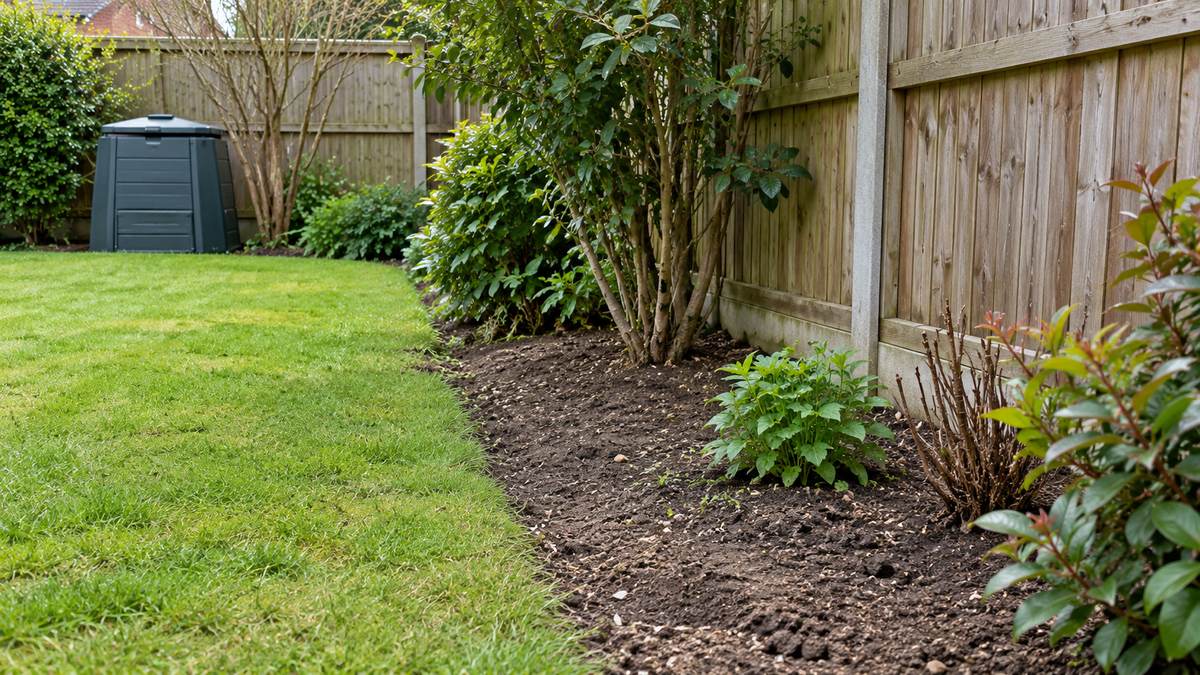
A rat crossing the lawn is a reason to inspect the garden, especially around food and sheltered edges. Start by removing what it can eat tonight. Then work out whether it is passing through or using a burrow, shed or space beneath decking as a regular base.
During autumn, check sheltered storage before bringing pots and cushions indoors. You do not need to strip a garden of all planting. Focus on accessible food, accumulated clutter and routes close to buildings. A useful plan makes those specific places easier to inspect and maintain.
Look for several signs together
Burrows may appear beside walls, compost bins, sheds or the edges of paving. Regular runs can look like narrow paths through vegetation. Droppings, gnawed bin edges and damaged food bags add evidence. A single hole could have another cause, so avoid identifying an animal from that sign alone.
Observe from a distance and take photographs without touching droppings or disturbing a suspected nest. Note dates and locations. Repeated sightings along the same fence are useful information for a pest controller. Do not reach under decking or push your hand into a burrow to investigate.
Remove the garden’s food supply
Bird feeders can provide a steady meal when seed collects underneath. Pause feeding while you assess rat activity, clear the ground and secure stored seed. Moving a feeder a short distance leaves the food available. A tray helps with future spillage but still needs regular emptying.
Bring pet food indoors after meals and pick up fallen fruit. Check rubbish bags, barbecue scraps and food left in outdoor kitchens. Use sturdy bins with close-fitting lids and repair damaged bases. Keep the area around bins accessible so you can spot fresh gnawing or scattered rubbish.
| Attractant | Fix |
|---|---|
| Spilled birdseed | Pause feeding, clear spills and secure seed storage |
| Accessible compost scraps | Use a secure bin and check its base and lid |
| Pet food outdoors | Remove leftovers and store food indoors |
| Rubbish bags beside bins | Use enough closed storage for all waste |
| Clutter beneath decking | Remove stored materials where access is safe |
| Untidy shed edges | Organise storage and inspect the perimeter |
Check compost bins without abandoning composting
A compost bin offers shelter and may contain food. Inspect the lid, access hatch and base for damage. Keep food scraps contained and follow your bin’s instructions about suitable materials. An open heap with frequent kitchen leftovers needs particular attention while rat signs are present.
If exclusion mesh is appropriate for the bin design, choose durable material and secure it so rats cannot lift an edge. Preserve the drainage and ventilation the system needs. Do not improvise around a nest or active burrow; ask for advice before dismantling an occupied compost area.
Reduce shelter around decking and sheds
Stacked boards, unused pots and dense growth against a shed can hide movement. Clear manageable clutter, organise tools and leave inspection space where practical. Store sacks of feed in secure containers. Check doors, damaged wall panels and service gaps for routes into the building.
Do not seal every opening beneath decking while animals may be inside. Removal and proofing need to be coordinated. Avoid lifting heavy deck boards or working beside suspect electrical cables yourself. Burrows near foundations, drains or unstable paving need professional assessment rather than repeated filling.
Keep natural deterrents in perspective
Peppermint, vinegar and strongly scented plants cannot be relied on to clear an established rat problem. Any local avoidance can fade while food and shelter remain. Our guide to smells rats dislike explains why scent alone is an uncertain strategy.
Planting can still be part of a garden you enjoy, but avoid treating a border as a rodent barrier. Read the evidence on plants said to repel rats before buying plants for that purpose. Ultrasonic deterrents are only a supporting measure: results vary and sound does not pass through walls.
Protect pets and wildlife
Poison can harm animals that eat bait or poisoned rodents. Loose bait beneath a shed or deck is not safely contained merely because you cannot see it. Traps also need placement that prevents access by children, pets and wildlife. Ask a pest controller to choose and manage suitable equipment.
Read the rat poison safety guide for children and pets before considering bait. Do not use home-made poison mixtures or flood burrows. Keep dogs away from suspected nests and ask a vet promptly about possible contact with poison.
When to call for help
Seek help for persistent signs, multiple burrows, repeated daytime sightings or activity close to the house. Many UK councils offer pest services; check your local council for availability and charges. A pest controller can assess removal and the repairs needed afterwards.
After treatment, keep a simple record of fresh signs and the changes made. Continue checking bins and feeder areas. If activity returns, review neighbouring food sources and unfinished repairs with the controller. A garden stays less attractive when the routine survives beyond the first tidy-up.