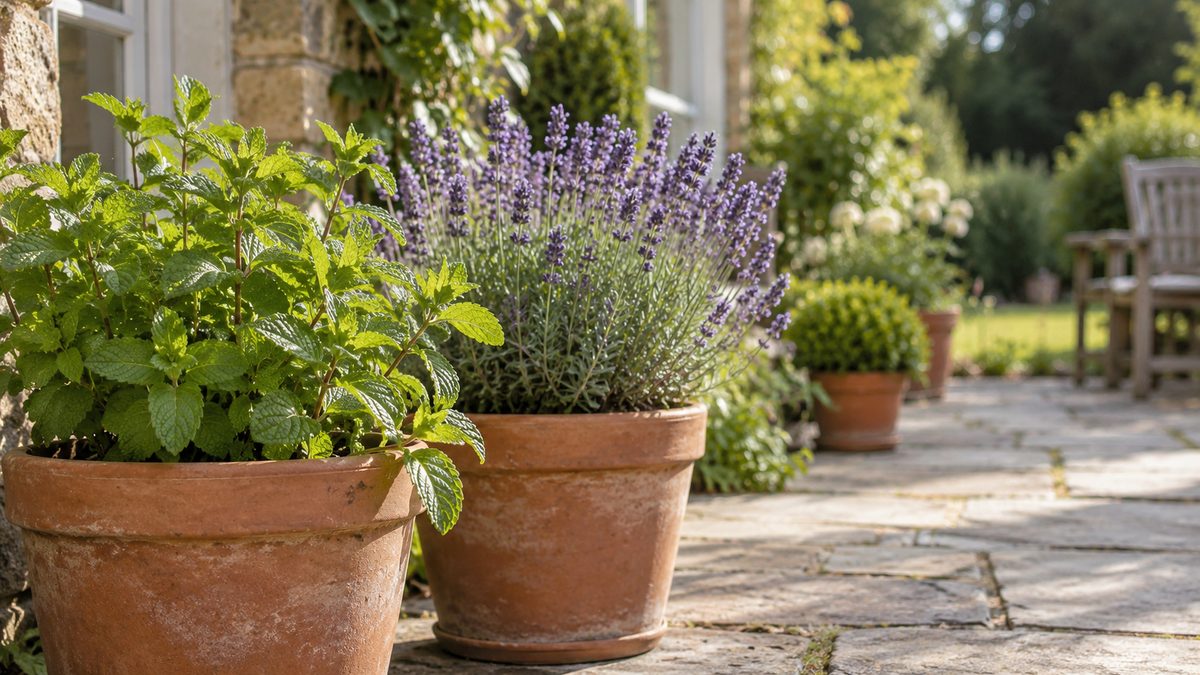
A row of mint pots can make an Indian balcony pleasant without making it rat-proof. Lists of plants that repel rats often move from a strong-smelling leaf to a much larger promise: that planting it stops rodents entering a house. Evidence for that practical promise is weak or anecdotal, so plan your protection around more dependable changes.
Watch the route before buying anything. Rats may climb a pipe, cross a ledge and pass behind the pots to reach food inside. A scented plant does not block that path. Fallen fruit, spilled bird feed and bags of potting material can also make a planted corner more attractive rather than less.
A leaf is different from a concentrated extract
A plant releases scent gradually, often more noticeably when its leaves are touched or crushed. The concentration in moving balcony air is modest. Results involving an extracted ingredient, a concentrated oil or a controlled test cannot be treated as proof that a living pot will protect a kitchen doorway.
Even an initially unpleasant smell may be tolerated when food and shelter remain available. Rain, heat and airflow also change exposure. Our guide to smells rats may avoid explains why scent should be a supporting measure. Do not interpret a few quiet evenings after planting as evidence that the entry problem has ended.
Common plants and their limits
| Plant | What to expect | Caution |
|---|---|---|
| Mint or peppermint | Aromatic leaves; weak evidence for reliable protection from pots | Concentrated oils are a concern around cats |
| Lavender | Mild floral scent in plant form; no dependable rat barrier | Plant ingestion and concentrated oil exposure can harm pets |
| Marigold | Decorative flowers; rat-repelling claims are mainly anecdotal | Do not assume every variety is pet-safe |
| Citronella | Aromatic grass; insect-related claims do not prove rat control | Check the exact species and pet safety |
| Garlic and bay leaf | Kitchen scents; little support for a lasting protective boundary | Keep garlic away from pets and discard exposed food |
| Daffodils | No dependable basis for using them as a household rat barrier | Toxic to cats and dogs, especially bulbs |
Mint spreads readily and may suit a pot for cooking. Lavender needs conditions suitable for its variety. Neither needs to justify its place as pest control. Marigolds can stay for their flowers, and citronella for its appearance. Choose plants for the garden you want rather than expecting an unverified protective perimeter.
Loose garlic cloves or bay leaves around cupboard corners do not stop a determined rat reaching a torn flour bag. Avoid leaving food ingredients out as experiments. Daffodils deserve particular caution in homes with digging dogs or curious cats. A toxic plant can add a household hazard without solving the rodent problem.
Protect pets before using scented products
The ASPCA lists daffodils as toxic to cats and dogs. Keep bulbs and discarded plant material inaccessible. If a pet chews a suspect plant, save its name or a photograph and call your veterinarian promptly. Do not wait for obvious symptoms or attempt a home treatment.
Concentrated lavender and mint oils are a concern for cats, especially through ingestion or skin contact. Never put them on an animal, its bedding or surfaces it licks. The ASPCA’s essential-oil guidance advises keeping concentrated oils out of pets’ reach. “Natural” does not establish a safe dose or exposure.
Spend the first hour on access and food
Inspect the balcony door edge, sink plumbing and utility pipe entries. Ask the appropriate tradesperson to repair openings without blocking drainage, gas clearances or required vents. Use suitable durable material rather than loose stuffing alone. Our house rat-proofing guide sets out the inspection sequence and the limits of different repairs.
Move grains and pet food into hard containers with tight lids. Clear food waste each evening and remove unused cardboard behind the plant stand. Keep wall edges visible so you can spot fresh activity. Never sweep or vacuum droppings dry; use appropriate wet-cleaning guidance or professional help for contaminated areas.
Use a deterrent as one monitored layer
A dedicated deterrent can sit alongside those changes, with its grille facing an open route. Sound does not pass freely through walls or closed cabinets. Keep a home unit dry, secure its cable and place it away from pet beds. Do not use ultrasonic devices near pet rodents, and stop if other pets appear distressed.
Review fresh signs over the following days. Repeated droppings, several nests or daytime activity warrant professional assessment. Keep the plants you enjoy, maintain the balcony and judge protection by access control and new evidence. Adding another scented pot is unlikely to resolve an open service gap or an accessible sack of grain.