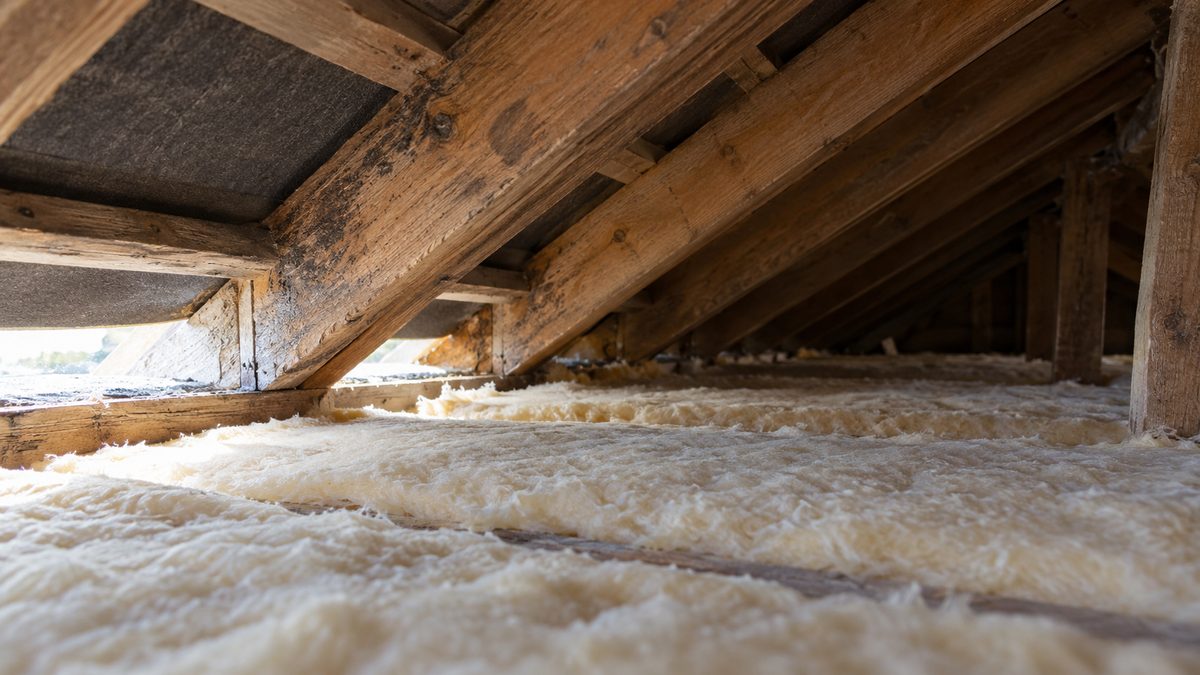
If you suspect rats in the loft, look for droppings, gnawing and repeat activity before deciding on control. Arrange removal and entry-point repairs together, and avoid entering a loft with unsafe access, damaged wiring or extensive contamination.
Signs of rats in the loft
- Scratching, scurrying or gnawing noises, especially at night.
- Droppings, larger than mouse droppings, often along joists.
- Gnawed insulation, stored boxes or cables.
- Nesting material made from shredded insulation or paper.
- Grease marks along routes they use regularly.
If you hear noises but cannot see signs, read our guide to scratching in the walls at night. Squirrels and birds can also get into lofts, and they tend to be active in the daytime rather than at night.
How rats get into the loft
| Entry point | What to look for | Typical fix |
|---|---|---|
| Eaves and soffits | Gaps, rotten or loose boards | Repair boards; fit mesh behind vents |
| Roof tiles | Slipped, cracked or missing tiles | Roofer to replace or refix |
| Pipe and cable entries | Gaps where services enter the wall or roof | Pack with wire mesh, then seal |
| Climbing plants | Ivy or creepers reaching the roofline | Cut back below the eaves |
| Overhanging branches | Trees touching or near the roof | Trim back from the house |
| Cavity walls | Rats climbing up from ground level | Pest controller to find and block the route |
Rats are strong climbers and can squeeze through surprisingly small gaps. Check the ground level as well, since a damaged airbrick or drain can be the start of a route up through the walls.
How to get rid of them
For one or two rats, traps placed along the routes they use in the loft, and checked every day, can work. Many people prefer to bring in a professional for a loft, because finding and blocking the entry points is the part that matters most. Many UK councils offer pest control services; what they cover and charge varies, so check your local council. A private pest controller is the other option. Be cautious with poison: a rat that dies inside the roof space or a wall leaves a strong smell, and bait is a risk to pets and wildlife. Our guide to rat poison safety explains why.
Seal it once the rats are gone
Sealing too early can trap rats inside. Once activity has stopped, block every route with durable materials, such as wire mesh, metal plates and mortar, because rats can gnaw through softer fillers. Repair the roof and soffits, cut back plants and branches, and keep bins and compost secure so the garden does not keep drawing them in. Our garden guide covers that side.
Clean up and check the wiring
Wear gloves, ventilate the loft, and wet droppings and nesting material with disinfectant before wiping them up, rather than sweeping or vacuuming. Replace badly soiled insulation. Rats often gnaw cables, so have any damaged wiring checked by a qualified electrician. For a US perspective on the same problem, see our guide to rats in the attic.
Inspect from the hatch before stepping inside
Use a torch from a secure position and keep your face away from loose debris. Unboarded lofts and ceiling plaster cannot support normal walking. If you cannot reach the area on a safe platform, do not crawl across insulation to follow a sound.
Tell the pest controller about stored belongings, water tanks, cables and any access restrictions. A roof-space inspection may need a roofer or electrician as well as pest work. Do not assume one contractor will carry out every part of the job unless that is in the agreed scope.
Check low-level routes as well as the roofline
Rats may reach a loft from a lower opening through connected cavities. From ground level, note damaged vents, pipe gaps, broken drain covers and vegetation against the building. For roofline defects, use a professional rather than climbing a ladder to investigate rodent activity yourself.
Any repair to an airbrick or roof vent must keep its intended ventilation working. Ask for a durable, appropriate barrier rather than a plug of soft filler. Sealing should follow a removal plan so animals are not enclosed in the roof space.
Protect stored items during the follow-up
Keep suspect boxes separate from clean possessions until they can be assessed under official rodent-clean-up guidance. Do not carry dusty cartons through living rooms and then vacuum the trail. Heavily contaminated insulation or porous belongings may need professional handling.
Once cleaning and repairs are complete, store suitable items in closed containers and leave an accessible inspection route. Keep a note of any new noise, but compare it with physical evidence before concluding the treatment failed. Ask the contractor what follow-up is included and what signs should trigger another visit. If you rent, notify the landlord promptly and check the tenancy arrangements and local council advice for responsibility, rather than assuming every loft problem is the occupier's repair.
Frequently asked questions
Should I check only the roof for entry points?
No. Lower service gaps, vents and drains may connect to cavities leading upward. Inspect accessible ground-level defects and let professionals assess the roofline.
Can I walk across loft insulation to find a nest?
Do not step onto unsupported surfaces. Ceiling plaster and insulation are not a safe floor. Ask a professional to inspect areas you cannot reach on a suitable platform.
Should every ventilation opening be filled?
No. Repairs must preserve the intended airflow. Ask for an appropriate durable barrier or repair rather than blocking airbricks or roof vents with soft filler.
Can I place traps wherever I can reach from the hatch?
Placement should follow identified routes and safe retrieval access. A professional can assess locations without creating a risk from unsupported surfaces, wiring or inaccessible equipment.