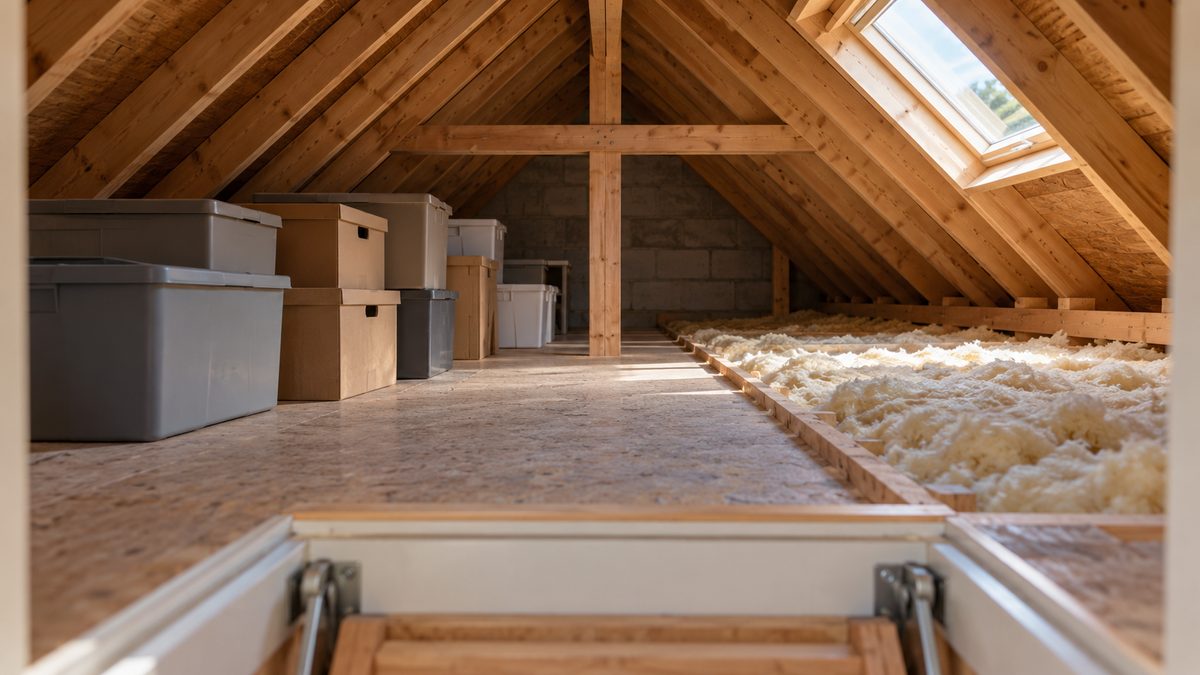
Scratching overhead after dark can point to rats, but removal starts with an inspection. An attic can also hold mice, squirrels or other animals. Confirm what is present, where it enters and which areas are contaminated before setting traps or paying for a large insulation replacement.
A complete job has several parts: remove the animals, repair their access and deal with contamination. A quote for trapping alone may leave the same opening available next week. Ask who will handle each stage and how the contractor will check that activity has stopped.
Roof rats and Norway rats
Roof rats are agile climbers and often occupy elevated spaces, including attics. Norway rats generally favor ground-level shelter and burrows, but they can climb and may enter upper areas. Body shape and other evidence help an inspector distinguish them; an attic location alone is not enough.
Species and routes influence trap placement and the outside inspection. Branches, fences and utility routes can lead toward a roof. Do not cut branches near power lines or handle service cables yourself. Have the contractor explain how the suspected route connects with the entry damage they found.
Signs worth recording
Noises at night, droppings, gnawing and damaged insulation deserve attention. Insulation may be pulled apart for nesting or compressed along repeated routes. A stain or an old dropping does not prove current occupation. Photograph visible evidence from a safe access point and record when you hear movement.
Stay off unsupported ceiling surfaces and avoid reaching into insulation. Damaged wiring needs an electrician, particularly if you notice exposed conductors or burning smells. Our guide to scratching in walls at night covers other possible sources of the sound.
Find entry points at the roof line
Inspect from the ground for damaged soffits, fascia gaps, loose vent covers and openings where different roof surfaces meet. Check service penetrations and the connection between attached garages and the house. Entry evidence may be a dark rub mark or gnawed edge, but hidden gaps require closer professional inspection.
A roof inspection should protect ventilation, drainage and weatherproofing. Randomly stuffing mesh into a vent can create another building problem. Ask for photographs and a repair specification that identifies each opening, suitable material and how the repair will remain fixed to sound surrounding surfaces.
Coordinate trapping and sealing
For rats already inside, properly selected traps can support removal. Placement should follow identified routes and prevent access by children and pets. Use rat-sized equipment according to its instructions and check it at least daily. Difficult access or extensive activity is a good reason to use a professional.
Plan exclusion alongside trapping so active animals are not sealed into the attic or diverted into living areas. A controller can decide the sequence for your building and monitor results. Poison can leave an animal in an inaccessible cavity and presents risks beyond the target rat.
Rats also move between ceiling voids and wall cavities. Read the guide to rats above a ceiling if noises appear to shift between rooms. One quiet night does not establish that all animals are gone; follow the monitoring plan agreed with the controller.
Clean up safely after removal
Follow CDC rodent-control and cleanup guidance. Do not sweep or vacuum dry droppings. For small accessible hard-surface contamination, wear rubber or plastic gloves, wet material thoroughly with a suitable disinfectant and leave it for the specified contact time before wiping it up.
Where safe, ventilate the space for 30 minutes before cleanup and leave during that period. Bag waste securely, clean the affected surface, wash gloved hands, then remove gloves and wash bare hands. Follow the disinfectant label and never mix cleaning chemicals. Insulation is porous and difficult to assess from the hatch. Extensive contamination, dust-producing work or unsafe access needs a trained cleanup service and an appropriate protection plan.
What professional removal costs depend on
Get two or three written quotes. Ask each company to price the same scope so you can compare the work, not just the total. The cheapest inspection-and-trapping offer can be incomplete if exclusion and cleanup appear later as separate charges.
| Cost driver | What the quote should explain |
|---|---|
| Inspection and access | Attic coverage, roof access and evidence photographs |
| Number of entry points | Each opening and its proposed repair |
| Trapping visits | Included checks, monitoring and extra-visit terms |
| Exclusion work | Materials, labor and any roofing involvement |
| Insulation replacement | Affected area, removal, disposal and new material |
| Sanitizing | Surfaces covered, method and access restrictions |
Request evidence before authorizing complete insulation replacement. Ask what can remain, what is damaged and how waste will be contained. Clarify any warranty, exclusions and return-visit charges in writing. A treatment cannot promise that an unrepaired roof or a newly damaged vent will remain rat-free.
Keep the attic less accessible
After removal, maintain vent covers, roof repairs and nearby food storage. Keep birdseed and pet food secured in garages. During fall (autumn), inspect outside before colder weather limits access. Repeat the inspection after building work or storm damage rather than waiting for another noise overhead.
Ultrasonic repellents are a supporting measure with variable results. Sound does not pass through walls, and a unit near the hatch cannot cover every enclosed roof void. Durable entry repairs and follow-up monitoring remain central to checking that the removal work has solved the problem.