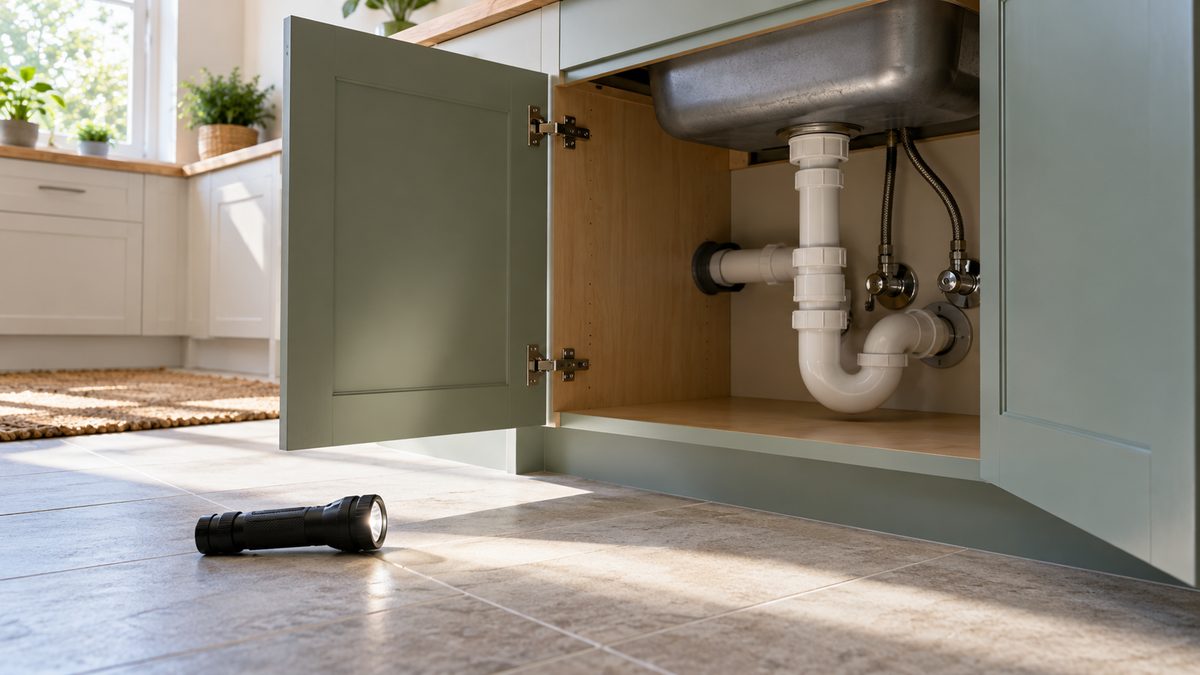
You have set traps, cleaned the kitchen and put cereal into closed containers, yet fresh droppings appear each morning. At that point, the useful question is what your current plan is missing. A pest control professional can inspect routes and spaces you cannot readily reach, then coordinate removal with repairs that reduce repeat entry.
During fall (autumn), calling early can also help you organize work before storage and holiday activity make inspection harder. You do not need to prove there are many mice before asking for help. The right threshold depends on the spread of activity, access to the building and your ability to carry out control safely.
Signs your DIY plan needs help
Activity in several rooms deserves a broader inspection than a single trap beside the refrigerator. Note whether fresh signs appear upstairs, in garage storage or inside pantry drawers. That pattern does not establish a mouse count, but it helps show why treating one corner may leave other routes and food sources untouched.
Fresh droppings every day after two weeks of trapping are another practical escalation point. This is a decision aid, not a biological deadline or a reason to wait through a worsening problem. Traps may be poorly positioned, mice may keep entering, or an inaccessible area may need attention. A professional should investigate which explanation fits.
Noises in walls or ceilings can justify help sooner, especially when access would mean opening building materials. Sounds alone cannot identify the animal. Read the guide to scratching in walls at night for possible routes and clues, then share the location and timing with the inspector.
| What you notice | Why it matters | Next step |
|---|---|---|
| Fresh signs in several rooms | More than one route or activity area needs assessment | Request a whole-property inspection |
| Daily droppings after two weeks of trapping | The current plan is not stopping ongoing activity | Review placement, access and exclusion with a professional |
| Repeated ceiling or wall noises | The source may be inaccessible or misidentified | Arrange inspection before opening cavities |
| Chewed wiring | Electrical damage needs separate assessment | Keep clear and contact an electrician promptly |
| Heavy contamination or household health concerns | DIY cleanup may be unsuitable | Discuss professional control and cleanup needs |
Damage and health concerns change the timing
Do not wait two weeks if you find damaged wiring. Avoid touching or using affected equipment and contact a qualified electrician. A pest technician can address mouse access, but electrical repair needs the appropriate trade. Keep children and pets away from the damaged area while you arrange assessment.
Seek help promptly if contamination is extensive, the work involves inaccessible insulation, or someone at home has concerns about exposure. Describe the situation when booking so the service can explain what it handles. If anyone develops symptoms after rodent exposure, contact a healthcare professional; a pest inspection does not assess illness.
What a useful service should include
The inspection should connect evidence to a plan. Ask the technician to show you likely entry points, activity areas and factors such as accessible pet food. Photographs are useful where you cannot safely see the location yourself. A finding of mice should lead to an explanation of the removal method and what you need to change.
Exclusion means repairing routes through which mice enter or move around the building. Ask which gaps are included, who makes the repairs and whether damaged doors or masonry need another contractor. Do not assume that a treatment visit includes permanent building work. Separate those items on the quote so responsibility is clear.
Follow-up visits should assess fresh signs, check control equipment and adjust the plan. Ask how the service decides activity has stopped and what happens if evidence continues. An initial reduction is useful information, but it does not establish that every entry point has been addressed.
Questions to ask before booking
- What inspection, removal and exclusion work is included in this quote?
- How many follow-up visits are included, and what triggers an extra charge?
- Which products and devices will be used around children and pets?
- Where will equipment go, and what access restrictions should we follow?
- Who handles cleanup, inaccessible nests and any required building repairs?
- Can you provide a written quote, findings and service terms before work starts?
Compare two or three written proposals on the same scope. A trapping-only visit and a plan with exclusion and follow-up are different services. Check the company's credentials with the relevant state or local authority where applicable. Ask for clear answers about preparation, scheduling and whom to contact if new signs appear between visits.
Prepare useful evidence and keep working on prevention
Make a dated list of sightings, new droppings, trap locations and catches. Photograph signs before cleaning, without disturbing contamination. Tell the inspector about pets, children, attached garages and shared walls. For renters, notify the property manager so access and repair responsibilities can be coordinated, especially when routes extend beyond your own unit.
Keep food secured and clear accessible clutter while waiting. Avoid dry sweeping or vacuuming droppings; use appropriate wet cleanup guidance. Our household mouse removal guide covers the basic combination of trapping, sanitation and exclusion. Bring that work record to the visit so the technician can build on what you have already tried.
After treatment, keep the inspection notes and photographs of repaired gaps. Check those locations following plumbing work, door repairs or renewed signs. If activity returns, share the new evidence with the service. A specific location and date give the follow-up visit a clearer starting point than a general impression that the house feels quieter.