"Just get a cat." It's the oldest rat advice there is. And it's only half right. Cats are excellent at catching mice — but when it comes to full-grown rats, the picture is very different.
The mouse-versus-rat difference
A mouse is small and easy prey. An adult rat is a different animal: much bigger, strong, and capable of a nasty bite. Many cats weigh up the risk and simply don't bother. Studies that have watched urban cats around rat populations have found cats rarely take on adult rats, preferring smaller, safer prey.
What a cat can do
- Deal with mice — cats are genuinely effective here.
- Make rats more cautious — the presence and smell of a cat can change where rats travel, for a while.
- Catch young rats — smaller, less experienced ones.
What a cat can't do
- Remove the food, water and shelter that brought rats in.
- Reach rats in wall voids, false ceilings or behind appliances.
- Protect a car parked downstairs overnight.
What actually works
The reliable approach doesn't depend on a predator. Remove food and water, seal gaps larger than 2 cm, declutter hiding spots, and make problem areas consistently unwelcoming. A cat can still be part of the picture — just not the whole plan.
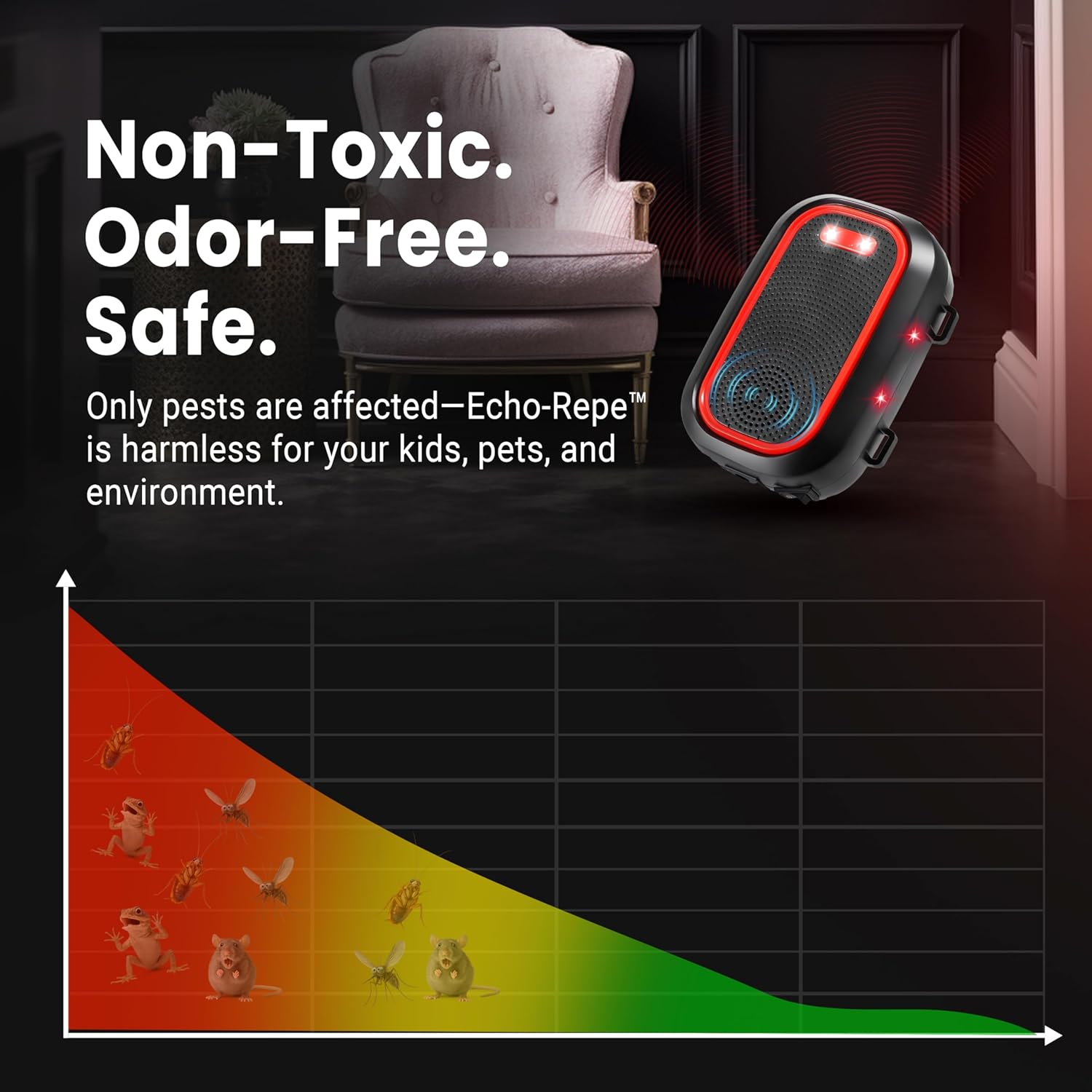
The EchoRepel Ultrasonic Rat Repellent is considered safe around cats and dogs — place it away from their bed and bowls (see are ultrasonic repellents safe for pets). It keeps working in the places your cat can't reach.