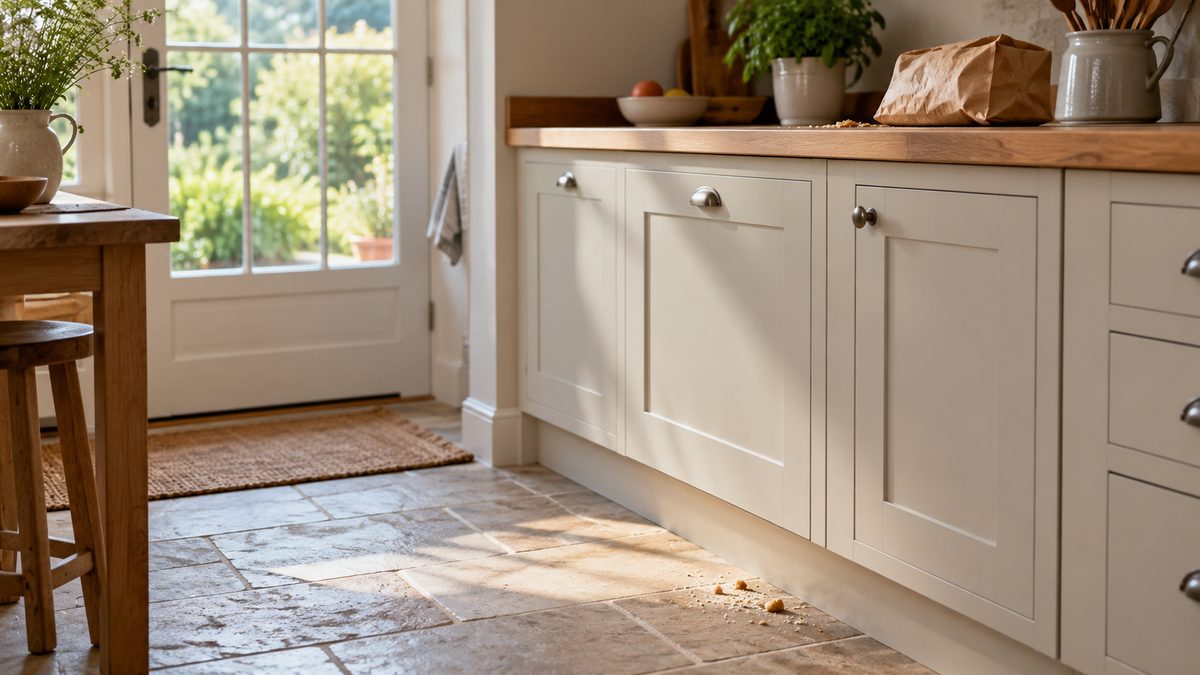
A mouse does not need an overflowing kitchen bin to find a reason to stay. Crumbs beneath a toaster, a torn bag of birdseed in the garage and a quiet cupboard can provide food and cover. A house may look tidy while those less visible resources remain available every night.
During fall (autumn), inspect the whole route from outdoor shelter to indoor storage. Mice stay active through winter, so waiting for cold weather to finish the problem is unlikely to help. Work through these eight checks, then deal with any mice already inside.
Eight attractants and their fixes
| Attractant | Fix |
|---|---|
| Food crumbs | Clean beneath appliances and beside pantry shelving |
| Pet food | Clear leftovers and use hard, tightly lidded storage |
| Birdseed | Store in metal bins and remove feeder spills |
| Clutter | Reduce loose cardboard and leave accessible inspection routes |
| Warm shelter | Inspect access to utility rooms and enclosed voids |
| Water leaks | Repair plumbing faults and dry persistent damp spots |
| Entry gaps | Fit durable repairs around doors, pipes and vents |
| Garbage | Use sound lids and remove food residue from bins |
1. Crumbs in places you rarely clean
Look below the counter edge, beneath removable toaster trays and along the base of pantry shelves. Small spills can remain after the visible worktop has been wiped. Pull out only equipment you can move safely, and avoid disturbing cables or gas connections to reach a suspected feeding spot.
Keep flour, cereal, rice and snacks in hard containers with secure lids. Inspect the original packaging before storing it. Putting a damaged bag back on a high shelf does not remove the food source, and a shelf is still accessible to a climbing mouse.
2. Pet food left between meals
Dry kibble is convenient food when a bowl stays full overnight. Clear leftovers after feeding, wipe the surrounding floor and store spare food in a hard container. Include treats and feed for small pets in the same check. A folded paper sack is easy to overlook beside a utility cupboard.
Keep drinking water available as your pet needs it. Change food storage and repair leaks rather than withholding necessary care. If trapping is needed, choose placements that pets and children cannot reach and follow the trap instructions.
3. Birdseed stored near the house
A garage bag and the spill beneath an outdoor feeder can both supply meals close to shelter. Put seed in tightly closed metal bins and clear loose seed after filling feeders. Inspect the floor beneath shelving instead of checking only the top of the storage bag.
Follow the route towards the house, including the garage door bottom and connecting doorway. Our guide to mice in the garage covers storage, door seals and monitoring in that space.
4. Clutter that conceals activity
Stacks of cardboard, spare fabric and packed cupboards provide undisturbed cover and make signs harder to notice. Keep fewer loose materials, use lidded storage and leave accessible edges for inspection. Move clean items carefully; stop if you uncover droppings or nesting material.
Decluttering helps you see routes, but it does not remove mice already occupying a wall or ceiling. Record the location of signs and arrange an inspection for inaccessible spaces rather than pulling apart a suspected nest.
5. Warmth and sheltered nesting spaces
A building offers protection from weather even when there is no food in the room where a mouse hides. Check accessible utility areas, basement edges and attic approaches. Heating is one part of the attraction; shelter and nearby meals also matter.
Turning down the thermostat does not close a pipe gap or remove stored seed. Keep the home comfortable and concentrate on the building boundary. Do not block ventilation or appliance clearances while trying to make a space less welcoming.
6. Leaks and persistent damp spots
Check beneath sinks, around appliance supply hoses and beside stored buckets. Repair dripping connections and investigate recurring puddles rather than drying them each evening. Leaks can add accessible water to a place that already offers food and shelter; fixing one does not guarantee mice will leave.
7. Small entry gaps
Gaps enable entry rather than attracting mice by themselves, but they belong on the same checklist. Mice can use openings about 1/4 inch (0.6 cm) wide. Check utility penetrations, damaged vents and door bottoms. Our mouse entry-point guide explains where to inspect.
Use suitable metal barriers and sealant for the opening, preserving drainage and airflow. Coordinate removal and repairs where animals may still occupy enclosed spaces. Foam pushed into the most obvious hole does not replace checking the rest of the boundary.
8. Garbage and food residue
Use bins with sound lids, remove food waste regularly and clean residue beneath liners. Check outdoor containers too, especially where the lid has cracked or bags sit beside the bin. Rinse food packaging before recycling and keep the storage area accessible for inspection.
After removing the attractions
Existing activity may need suitable traps or professional help alongside these changes. For droppings, follow CDC cleanup guidance. Do not sweep or vacuum them. Heavy infestations need professional cleanup. If you feel unwell after rodent exposure, contact a doctor promptly and explain the exposure.
Ultrasonic repellents are supporting measures with variable results; sound does not pass through walls or furniture. Use the room-by-room prevention checklist to keep repairs and food routines going after the first quiet night.