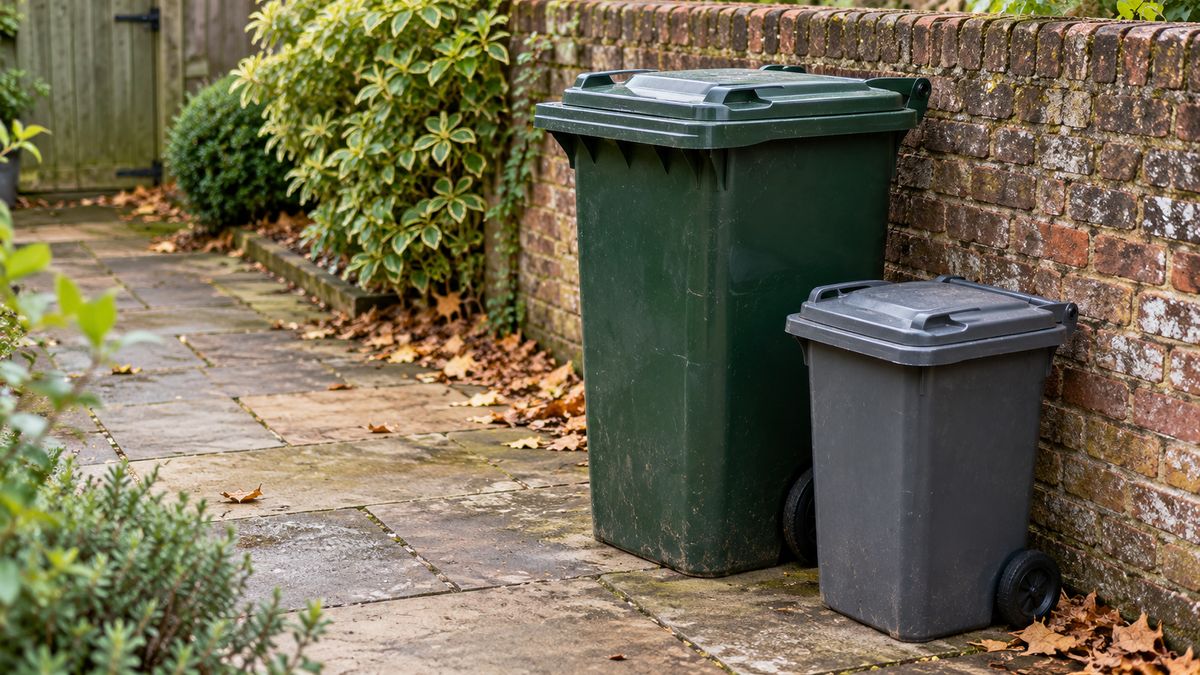
From Diwali to Thanksgiving, Christmas and New Year, households cook more, host more and throw away far more food than usual. Extra bags pile up beside bins, collection days shift around holidays, and party leftovers sit in kitchens overnight. For rats, it is the easiest food of the year. A few bin and kitchen habits stop the season from turning into a rodent problem.
Where festive waste attracts rats
- Bags left beside full bins instead of inside them.
- Bins with broken or loose lids.
- Leftovers and dirty dishes left out overnight after a party.
- Food scraps added to compost heaps.
- Shared building bin areas where bags are thrown in or left open.
Bin habits that keep rats away
| Habit | Why it helps |
|---|---|
| Use a sturdy bin with a tight lid, and keep it shut | Rats climb in through open or loose lids |
| Never leave bags on the ground | Bags are torn open in a night |
| Double-bag food waste and tie it tightly | Reduces smell and leaks |
| Rinse food containers before recycling | Residue in tins and trays draws rodents |
| Check the holiday collection schedule | Avoids bags sitting outside for days |
| Wash the bin and clean the area around it | Spills and smells attract rats even when the lid is shut |
After a party
- Clear and cover leftovers before going to bed, and put them in the fridge.
- Wash dishes or at least scrape and rinse them so food is not left out.
- Wipe floors and counters where food was served.
- Take food waste out to a closed outdoor bin, not a bag left by the back door.
- Store unopened sweets, dry fruits and snacks in sealed containers.
Our guide to mice in the pantry explains how to store dry foods, and rat-proofing the kitchen for Diwali covers festive kitchens in more detail.
Compost and festive leftovers
Raw fruit and vegetable peelings are fine in a well-managed compost bin. Cooked food, meat, fish, dairy, bread and fatty leftovers attract rats, so put those in the general waste bin instead. Our guide to rats in compost bins explains how to keep a heap rodent-free.
Shared bins and building areas
In apartments and housing societies, one careless neighbour can draw rats to the whole building. Use the bins provided, close lids and doors to the bin room, and report broken bins or overflowing areas to building management. Persistent problems in public areas can be reported to the local council. Rats near bins often find their way to parking areas too; see rats in basement parking.
Signs rats have found your bins
- Torn bags and scattered rubbish in the morning.
- Gnaw marks on plastic bins or lids.
- Droppings around the bin area.
- Burrows in soil or under paving near the bins.
If you see these, replace a damaged bin, clean the area and check the house for entry points. Our guide on what to do if you see a rat has a step-by-step plan.
Planning ahead for a big event
If you are hosting a large gathering, a little planning stops waste from piling up in the first place:
- Check the collection calendar early. Councils and building services often change collection days around public holidays. Know when the next pickup is before the event.
- Have spare bin capacity. If your bin will overflow, arrange an extra sealed bin or hard container for the night rather than leaving bags outside.
- Set up a clear-up point. Put a lidded bin where guests can scrape plates, so food does not end up in plant pots or corners.
- Share leftovers the same day. Packing food for guests or neighbours means less sits in the kitchen or the bin.
- Do a final sweep at night. Check the garden, balcony and entrance for dropped food before you go to bed.
These steps take a few minutes and remove the biggest temptation of the season for rats in your area.
In short
Keep food waste inside a sturdy bin with a tight lid, never on the ground. Clear leftovers before bed, rinse containers, check holiday collection days, and keep cooked food out of the compost.
Inside the home, the EchoRepel Ultrasonic Rat Repellent adds a poison-free layer for kitchens and storerooms, using ultrasonic sound that rats and mice want to avoid.