Start the kitchen check before the sweets and dry-fruit boxes arrive. Diwali cleaning gives you a useful view behind grain drums, below the sink and beside the fridge. Those spaces can reveal a torn packet or an opening that has stayed hidden all year. Deal with each finding before putting everything back.
Set aside a torch, a notebook and containers with firm lids. Photograph damaged packaging and gaps so the plumber or pest-control professional can see the problem. Avoid shifting a gas stove, disconnecting appliances or opening fixed service panels during a routine clean.
Use cleaning to find routes
Work from one end of the kitchen to the other. Empty an accessible shelf, inspect its corners, then return only what belongs there. Look near the sink drain, behind removable drawers and where the chimney duct meets the wall. Check the utility balcony too, especially the route between the rubbish bin and kitchen door.
Fresh gnaw marks, scattered grain and repeated droppings deserve attention. Keep children and pets away from the affected area. Do not sweep or vacuum droppings dry. Follow CDC guidance for cleaning after rodents, including wetting contamination with a suitable disinfectant and following its label. Extensive contamination is a job for professionals.
A seven-day pre-Diwali checklist
| Day | Task | Finish check |
|---|---|---|
| Seven days before | Inspect accessible cupboards and utility corners. | List gaps, damaged packets and fresh signs. |
| Six days before | Sort grains, flour and dry fruits. | Keep usable food in hard, tightly closed containers. |
| Five days before | Arrange repairs around pipes and ducts. | Confirm ventilation and service access stay clear. |
| Four days before | Clear cardboard and unused storage. | Leave visible floor edges for inspection. |
| Three days before | Clean bins and check lids. | Remove food waste before bedtime. |
| Two days before | Plan sweet storage and repellent placement. | Keep perishable food refrigerated as directed. |
| One day before | Recheck the original problem spots. | Arrange pest control if fresh signs continue. |
Swap the days around to fit your household. The aim is to leave a gap between repairs and the final inspection. A freshly organised cupboard can look reassuring while the opening behind it remains unchanged. Take a second look after the evening cooking is finished.
Give sweets and grains proper storage
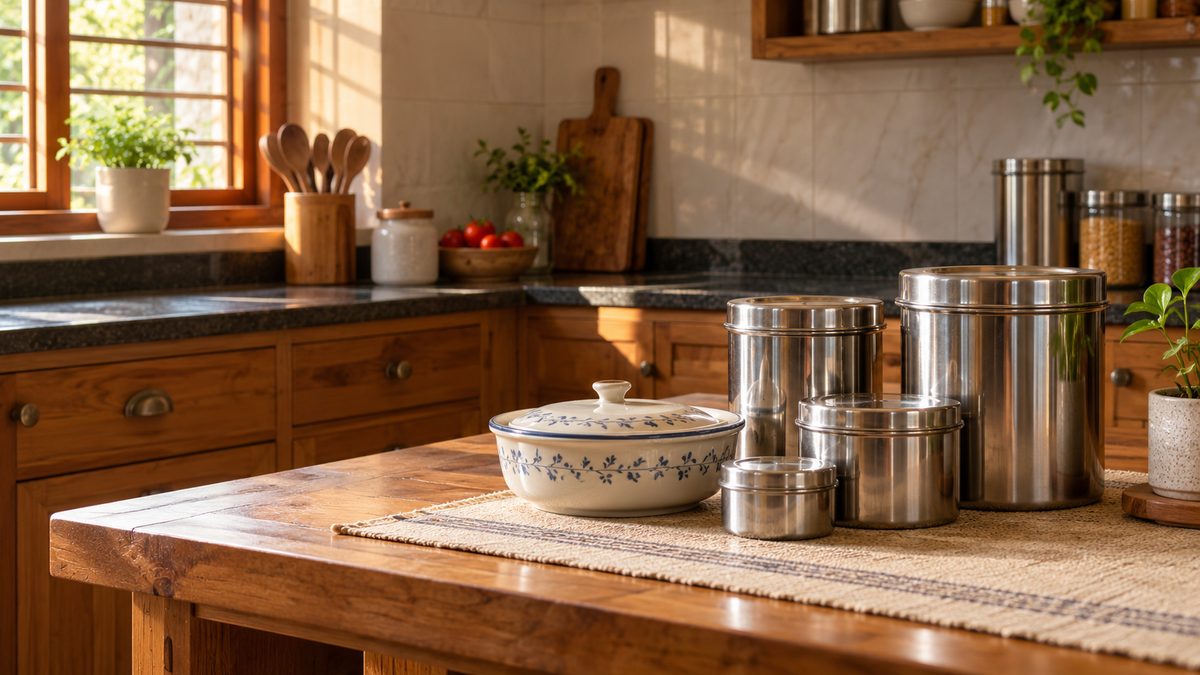
Cardboard mithai boxes and thin dry-fruit pouches are convenient for carrying gifts. They should not be the overnight storage plan. Transfer suitable foods into steel, glass or other sturdy food-safe containers with close-fitting lids. Wipe sticky residue from the outside before putting them away.
Store bulk rice, atta and dal so you can inspect the floor around them. Avoid balancing opened packets inside a larger loose-lidded tub. Keep serving spoons clean, close containers after each use and clear crumbs from the preparation counter. Ask visiting family to use the same storage routine.
Follow the maker’s storage directions for milk-based sweets and other perishable foods. Do not leave them out just to keep the kitchen display tidy. Discard food showing rodent contact; moving it into a clean jar does not make it safe. Keep unopened gifts away from any shelf with fresh activity.
Repair gaps without disturbing services
The gas pipe, chimney duct and sink plumbing need separate checks. Ask a qualified gas technician about the wall opening around a gas pipe. Never pull the hose aside, pack material against a joint or block a ventilation opening to close a suspected route.
A plumber can assess loose collars and gaps around sink pipes. For the chimney, ask the installer which openings must remain clear for exhaust and maintenance. A suitable durable repair should close the route without trapping moisture or interfering with an appliance. Loose cardboard and leftover packing foam are poor permanent repairs.
For more detail on food and shelter, read why rats are drawn to kitchens. The guide to reducing rats in a kitchen connects storage, access and daily cleaning.
Keep the deterrent in a supporting role
EchoRepel supports DC/USB power and AA battery operation. Place it near the open route showing activity, with its grille clear and its cable secured. Keep it dry. A unit hidden behind the fridge or inside a closed cupboard cannot send sound freely through the kitchen.
Remove food access and repair entry points even if you add a device. Do not use ultrasonic deterrents near pet rodents. Watch cats and dogs for discomfort and stop use if needed. Repeated fresh signs, several nests or inaccessible contamination warrant professional pest control. Ask the society to address shared rubbish areas and service shafts as well.
After the celebrations, check the same corners once more. Gift packaging, leftover snacks and an overflowing bin can undo the storage routine. Keeping those few routes visible makes the next inspection easier.