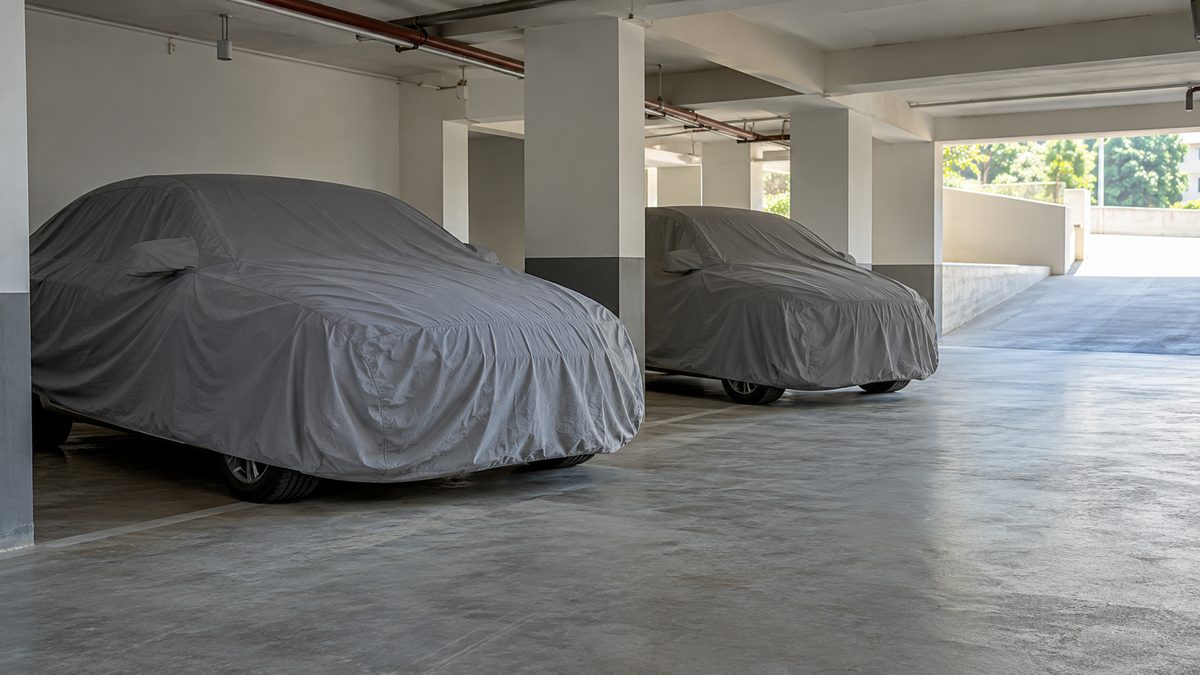
Rats in society basement parking need a shared response to waste, entry routes and hiding places, alongside checks of individual cars. Report specific locations and fresh damage so the committee can commission repairs and pest work that address the whole basement.
Why basements attract rats
- Dark and sheltered: safe from rain and predators.
- Close to drains and garbage rooms: food and water nearby.
- Full of still cars: warm engine bays, undisturbed for hours or days.
- Clutter: old furniture, tyres and cartons stored in corners give cover.
- Monsoon: rats move indoors to stay dry, and basements are the nearest dry space.
What you can do for your own car
- Pick your spot carefully if you can, away from the garbage room and drain openings.
- Check under the bonnet weekly: droppings and nesting material are the early signs.
- Keep food out of the car: crumbs and wrappers are an invitation.
- Drive it regularly: a car that sits for days is the one rats settle into.
- Run a deterrent: basements often have no power point near your spot, so battery mode matters.
If you charge an electric car in the basement, keep the charging cable off the floor. Our guide on rats and electric cars covers the extra precautions.
What the society can do together
| Action | Why it matters | How often |
|---|---|---|
| Closed bins and a garbage room with a door that shuts | Removes the main food source | Daily clearing |
| Repair broken drain covers and seal pipe gaps | Closes the routes from the drains | Once, then check monthly |
| Clear stored junk from corners | Removes nesting cover | Once, then keep it clear |
| Better lighting | Rats avoid bright, open areas | Once |
| Professional pest control | Reduces an active population | As advised in the contract, often monthly or quarterly |
| A notice to residents about food in cars and pet food | Stops individual attractants | Once, repeated before monsoon |
These work best together. A cleaner basement reduces the number of rats; individual deterrents help protect each car from the ones that remain.
How to raise it with the committee
Committees act faster on specific, documented requests than on a general complaint. A good message includes:
- Which cars were damaged, with dates and the repair work needed.
- Where droppings, nests or rats have been seen, with photos.
- Two or three specific asks: for example, fix the garbage room door, repair the broken drain cover near the ramp, and book a pest control inspection.
- An offer to help, such as collecting quotes.
A note on poison in shared basements
Loose poison in a shared basement can be reached by children and pets, and a poisoned rat may die inside a car's engine bay, leaving a smell that is hard to remove. If the society uses bait, it should be in locked bait stations placed by a professional. See why rat killer in the engine bay backfires.
If your car has already been chewed
Don't keep cranking a car with warning lights. Photograph the damage, get it repaired properly, and tell the committee. Our guide on what to do after rats chew car wiring lists the steps in order.
For rats in society basement parking, the EchoRepel Car Rat Repellent is a supporting option using ultrasonic sound that rats and mice want to avoid. It is poison-free. For rats in society basement parking, use the device only as instructed and assess new signs rather than assuming protection.
Turn separate complaints into a usable site record
Collect the parking-bay location, date of discovery and visible evidence for each incident. Keep residents' personal and insurance details out of a public notice. A simple basement plan showing waste rooms, accessible drains and damaged cars can reveal a cluster without claiming to count the rats.
Ask residents to distinguish a fresh incident from an older repair being discussed again. The aim is a clear record for the contractor, not a dramatic total. Include photographs of broken covers, overflowing bins and cluttered corners so maintenance defects can be assigned to a named team.
Agree who owns each corrective action
Waste handling, plumbing repairs, stored-property removal and pest management may fall to different people. Ask the committee to record an owner and completion status for each task. A pest visit cannot repair a broken garbage-room door, and a cleaning team cannot safely mend a damaged service cable.
Before work starts, ask the contractor how they will protect residents, children, pets and vehicles. Identify any areas that must be kept clear and how residents will be notified. Bait, if selected by a professional, needs a documented management plan rather than loose material left beside tyres.
Check results through evidence, not one quiet evening
After cleaning and repairs, keep logging new signs in the same areas. Look for fresh waste around repaired openings and renewed nesting material in cars. The absence of a reported repair bill is useful but does not prove the basement is clear.
Schedule a follow-up inspection when the contractor advises, and make waste-room and drain-cover checks part of ordinary maintenance. Residents should continue inspecting their vehicles before use. Better lighting helps people inspect the area but is not a physical barrier to rodents. A clean, accessible basement with repaired routes makes ongoing monitoring easier and helps the society recognise a recurrence before several cars are damaged.
Frequently asked questions
Who should repair a broken drain cover?
Report the exact location to building maintenance and ask for the appropriate repair. Pest treatment cannot substitute for a secure cover that preserves drainage and inspection access.
Is one complaint enough to ask for an inspection?
A documented fresh incident or visible maintenance defect is enough to raise a specific concern. There is no need to wait for several residents to face repair bills.
What should a contractor’s follow-up cover?
Ask what fresh evidence will be checked, which repairs are outside the pest contract and who will inspect equipment. Record responsibilities so unfinished tasks do not disappear between teams.
Should every resident buy the same deterrent?
A shared purchase does not repair drains, secure waste or clear hiding places. Agree on those building tasks first, then let residents assess any supporting device for their own vehicle.