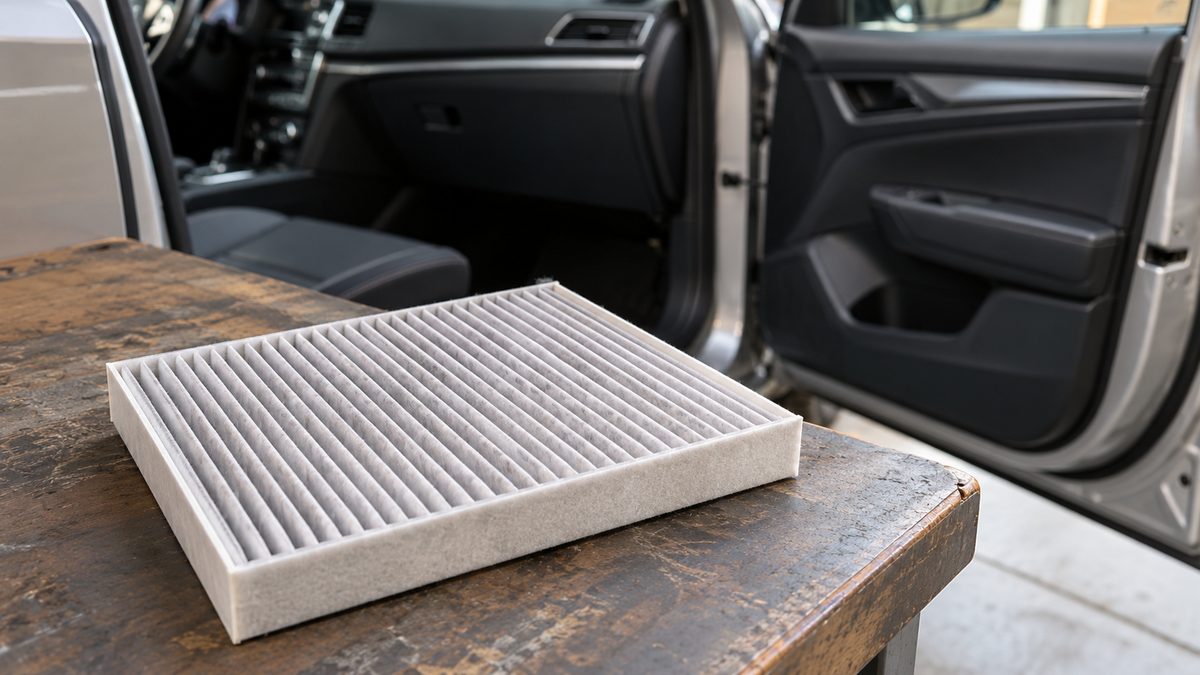
A mouse problem inside the passenger compartment needs attention before the next commute. Empty the cabin of food, look for contamination and check the cabin air filter before switching on the fan. A replacement air freshener can hide a smell while leaving a nest and its access route untouched.
This guide focuses on seats, storage spaces and ventilation. For droppings under the hood, chewed engine wiring or stored seeds near the engine air intake, use the separate engine-bay mouse guide. A car can have activity in both areas, so tell the workshop everything you have found.
Check the glovebox, footwells and hidden storage
Look for droppings in the glovebox, around floor mats and beneath the seats. Chewed napkins, tissues or seat padding can provide nesting material. A musty smell from the vents is another reason to inspect, although damp filters and other ventilation faults can smell unpleasant too. Odor alone cannot confirm mice.
Use a flashlight without poking into blind gaps. Inspect door pockets, the center console, trunk storage and the spare-tire compartment where accessible. Photograph damage for the mechanic. Avoid reaching near seat wiring or removing electrical connectors. If a warning light appears, wiring looks chewed or a burning smell develops, arrange an inspection before driving.
| Cabin area | Possible evidence | Next step |
|---|---|---|
| Glovebox | Shredded paper and droppings | Wet-clean accessible contamination and inspect nearby filter access |
| Footwells | Droppings around mats or pedals | Remove contamination safely before cleaning the carpet |
| Cabin filter housing | Nesting, chewed pleats or seeds | Replace the filter after safe removal and inspect the housing |
| Vents and blower | Persistent odor, noise or weak airflow | Ask a workshop to inspect inaccessible sections |
Air out the car and clean contamination safely
Follow the CDC guidance for cleaning up after rodents, including its vehicle section. With the vehicle outdoors and switched off, open the doors, trunk and hood to ventilate for 20 minutes before inspecting. Stay away during this airing period. Do not start by sweeping or vacuuming dry droppings or nesting material.
Wear rubber or plastic gloves. Thoroughly wet accessible droppings and nesting with a suitable disinfectant, leave it for five minutes or the label contact time, then wipe up with paper towels. Check material compatibility first and never mix chemicals. Avoid spraying electrical parts or flooding ventilation equipment. Bag waste and clean the hard surfaces following the product instructions.
Wash gloved hands before removing the gloves, then wash bare hands with soap and water. Carpets and upholstery require appropriate shampooing or steam cleaning after contaminated material has been removed. Extensive contamination, inaccessible nests or an occupied air system deserve professional help. A quick interior vacuum at a car wash is insufficient for this stage.
Inspect the cabin air filter before running the fan
Find the cabin filter location in the vehicle manual. It may sit behind the glovebox or beneath an exterior access panel; it is different from the engine air filter. Keep the ventilation off while checking. If the access procedure involves awkward trim or nearby wiring, let the workshop handle it.
A nested-in or chewed filter needs replacement after contamination is dealt with safely. Do not shake it, blow it out with compressed air or reinstall it after brushing. Ask the mechanic to inspect the housing, blower and upstream intake for debris and damage. Fitting a clean filter over an undiscovered nest leaves the source in place.
Persistent smells need further investigation. Our guide to removing rodent smell from a car covers the search for hidden sources. Fragrance does not remove contaminated material, and repeated deodorizing should not delay checking the ducts.
Put protected traps in the garage
Place suitable mouse traps along garage walls near evidence of travel, using protective housings and the trap instructions to keep children and pets away. Keep traps outside the car cabin. Loose traps beneath seats are easy to forget, and bait introduces another food source into the area you are trying to clear.
Check traps at least daily, with much more frequent checks for any live-catch equipment. Do not place poison in the car: an animal may die inside an inaccessible cavity. Ask a pest professional for a garage plan if activity continues or safe placement is difficult.
Remove food and improve the parking spot
Take snacks, lunch bags and pet treats out every evening. Clear crumbs from seats and storage spaces after contamination has been removed safely. Store garage birdseed and pet food in tough, tightly closed containers. Move cardboard clutter away from parking spaces and inspect garage door seals, particularly during fall (autumn) and winter storage.
Where possible, park away from dense vegetation, rubbish storage and loose seed. Driving regularly gives you opportunities to notice new signs, but movement alone does not prove the car is clear. Have damaged grommets and intake barriers repaired without blocking drainage, airflow or required ventilation. The cabin-intake mesh guide explains what to ask a workshop. Ultrasonic deterrents are optional supporting measures with variable results; sound cannot protect spaces behind solid barriers. Recheck cleaned areas and record any fresh droppings.