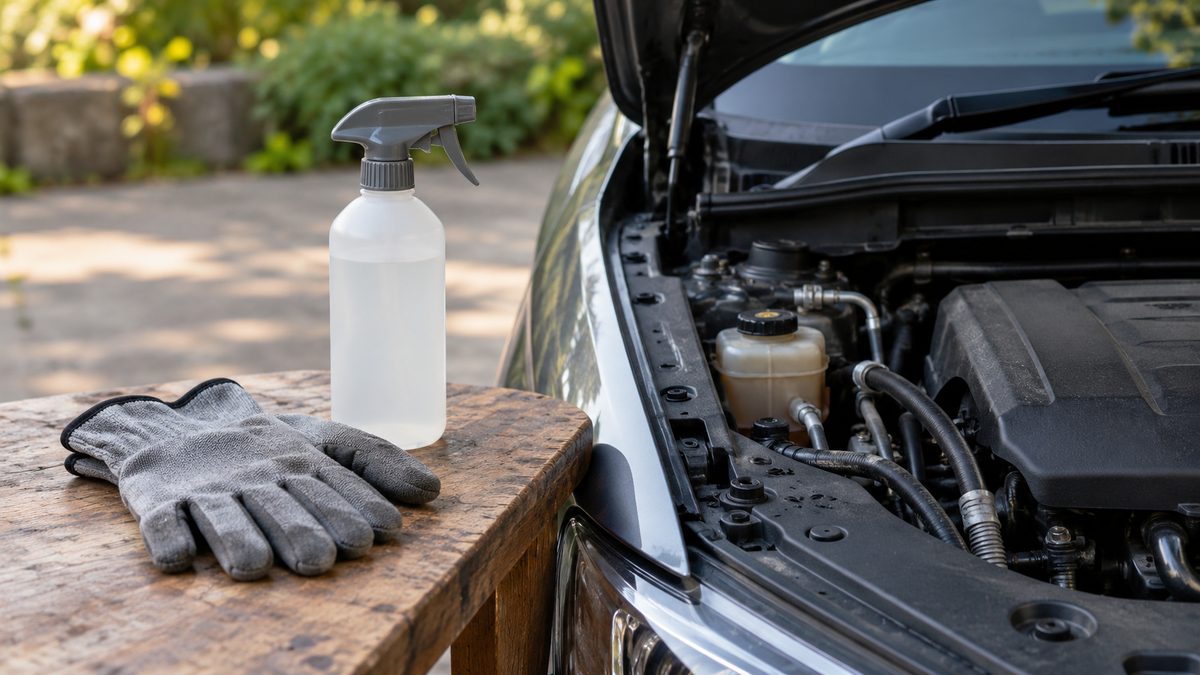
Finding fresh chewing under the bonnet makes a packet of rat killer for car use look like a quick answer. Loose poison in an engine bay can create another problem: a rat dying where you cannot reach it. The car still needs an inspection, and food or shelter nearby can keep attracting new arrivals.
Keep the bonnet closed to curious children and pets while arranging help. If wiring is exposed, a hose is damaged or warning lights have appeared, do not test the car by driving around the block. Ask a mechanic whether it is safe to start and whether recovery is needed.
You cannot choose where a poisoned rat dies
Many rodent poisons act after a delay rather than immediately. The timing depends on the active ingredient, exposure and animal. During that interval a rat may return to a nest, squeeze into a sheltered void or leave the parking area. Poison does not direct it to a convenient place for removal.
Claims that poisoned rats always go outdoors for water are not a sound plan. A carcass can remain inside a duct, beneath trim or in a door cavity. Reaching it may require workshop dismantling. The part that smelled fine during an evening bait application can become the source of a persistent cabin smell later.
Odour and flies are a separate repair job
A dead rat can smell for days to weeks, with large variation from heat, ventilation, size and location. Flies may be attracted to the carcass. Perfume, incense or an air freshener cannot remove the source. A contaminated cabin filter or insulation may need replacement after the remains have been located and removed.
A strong smell from the vents deserves a workshop inspection before running the blower. Do not reach blindly inside ducting, spray household chemicals into an intake or pressure-wash a bay containing bait. Our guide to removing rat smell from a car explains the source-first approach to cleaning.
Other animals can reach the bait
Loose bait can fall from a vehicle, be moved by a rodent or remain accessible during servicing. Children, cats, dogs and birds may encounter it. Some poisons also pose secondary risks to animals that eat poisoned rodents. Risk varies by ingredient, but a hidden location under the bonnet does not make a loose toxic product safe.
The EPA’s rodent-control guidance emphasises protecting children, pets and wildlife and following label directions. This is general safety guidance, not an Indian product approval. Let a qualified professional choose any control method appropriate to the site. A car engine bay is a poor place for an improvised bait arrangement.
| Problem | Why bait falls short | Next step |
|---|---|---|
| Rat using an engine bay | Does not close the access route | Inspect and discuss suitable barriers |
| Food near society parking | New rats can still arrive | Secure rubbish and remove spilled food |
| Carcass inside a cavity | Location is uncontrolled | Workshop removal and cleaning |
| Pets or children nearby | Loose bait creates exposure risk | Keep clear and arrange professional removal |
| Existing wire damage | Poison cannot restore insulation | Mechanic checks safety before driving |
If bait is already inside the car
Retain the packet so the active ingredient and instructions are available. Keep others away and tell the workshop before handing over the keys. Ask for safe collection and disposal according to the label, including any material moved into corners. Avoid bare-handed handling, mixing chemicals or washing residue onto the ground or into drains.
If a child or adult may have swallowed bait, seek urgent medical help and bring the packaging. For a pet, call a veterinarian immediately. Do not wait for symptoms, induce vomiting or try a home antidote unless a medical professional instructs you. Different poisons need different treatment decisions.
Build protection around the parking routine
Start by removing snack wrappers and food from the cabin. Ask society staff to secure rubbish bins and clear spilled grain or pet food near the bay. Reduce cardboard storage around parked vehicles. A short inspection before starting helps catch fresh nesting material or chewing before it becomes a roadside failure.
Ask a workshop about mesh for suitable cabin intake openings and protection for vulnerable wiring sections. Keep airflow, drainage and service access intact. A powered deterrent can add another cue while parked, provided it is securely mounted away from heat and moving parts. Sound cannot reach every enclosed cavity through metal.
Our explanation of why poison can complicate rat control covers the wider household risks. For repeated activity, involve a pest-control professional and the society team. The useful outcome is fewer entry opportunities and less attraction around the car, checked through fresh evidence rather than the disappearance of bait.