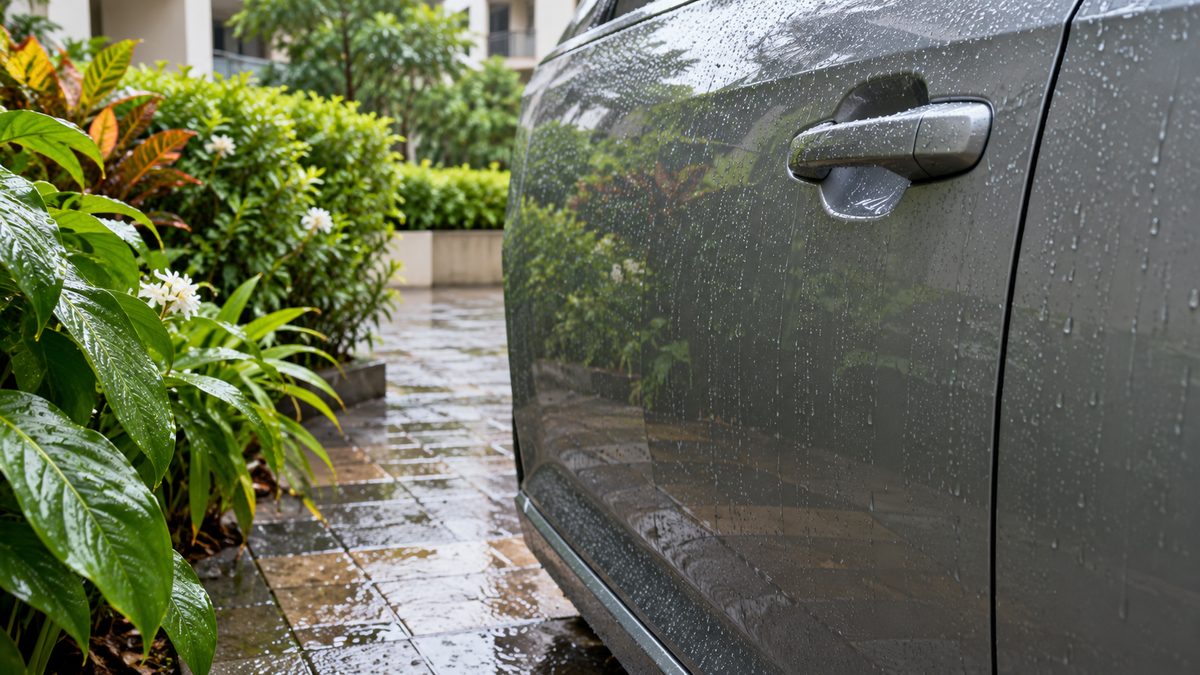
Monsoon rain can displace rats from wet ground and drains into sheltered places, including parked cars. Inspect the parking site and accessible engine-bay areas more closely after local flooding, while treating water damage as a separate vehicle-safety concern.
The rain drives rats indoors
Rats live in drains, burrows and low ground. When heavy rain floods those spaces, they are forced out to find somewhere dry and warm. A parked car is an obvious answer: the engine bay is sheltered from the rain, holds warmth for hours after a drive, and has plenty of nooks to nest in.
Why the damage is often worse
In dry months a rat might pass through. In the monsoon it moves in and stays, because outside is miserable. More time in the bay means more time to chew wiring, hoses and the cabin filter, and to build a proper nest. Owners also drive less on the worst days, so cars sit still for longer.
A plan for the season
| When | What to do |
|---|---|
| Before the rains | Clear leaves from the cowl, replace a dirty cabin filter, check wiring for old bites, set up a deterrent |
| During the rains | Park on higher ground away from drains, check under the bonnet weekly, keep food out of the car |
| After a waterlogged day | Look for fresh droppings and nesting material; rats displaced by flooding move fast |
| After the season | A workshop check of wiring and hoses, and a clean of the engine bay |
Protecting your car through the rains
- Park high and dry: away from drains, gutters and standing water.
- Keep the bay clean: no leaves, food or nesting material.
- Check more often: droppings, a musky smell or bite marks mean act now.
- Mind the cover: a car cover that reaches the ground can shelter rats underneath.
- Run a deterrent: so the dry engine bay is less inviting as a shelter.
A health note for the monsoon
Leptospirosis spreads through water or soil contaminated with the urine of infected animals, including rats, and cases rise during the Indian monsoon. When you clean a nest or droppings from a car, wear gloves, dampen everything with disinfectant before wiping, and wash your hands afterwards. Avoid wading through floodwater with cuts on your feet, and see a doctor promptly if you develop a fever after contact with floodwater.
If your car has already been chewed
Don't keep driving with warning lights on. Our step-by-step guide on what to do after rats chew car wiring covers safety, photos, insurance and repair.
For why rats invade cars in monsoon, the EchoRepel Car Rat Repellent is a supporting option using ultrasonic sound that rats and mice want to avoid. It is poison-free. For why rats invade cars in monsoon, use the device only as instructed and assess new signs rather than assuming protection.
For the damage rats do once they settle in, and what it costs to fix, see rats chewing car wires.
After heavy rain, check the ground before the bonnet
Do not enter a waterlogged basement to inspect your car. Follow building and emergency advice, particularly where electrical equipment or charging points may be affected. Wait until the area is safe to access, then note displaced drain covers, waste accumulation and fresh debris around parked vehicles.
If water may have entered the car or affected major components, contact the workshop before starting it. A bonnet check for rats cannot establish that a flood-affected vehicle is safe. Tell the workshop about both water exposure and any suspected rodent signs.
Make inspection possible even on wet days
Keep a torch accessible and choose a safe, well-lit place for checks once the car is cool. Look from above without crawling under a wet vehicle. Photograph fresh nesting material, chewing or droppings and keep bare hands away from contamination.
Do not pressure wash the engine bay as an emergency response to a nest. Water and chemicals can reach connectors or spread waste. Arrange appropriate cleaning and an inspection of nearby wiring and hoses if fresh signs appear. A warning light or leak requires attention before further driving.
Repair the shared source between storms
Ask the building manager to secure waste, clear accessible clutter and repair defective covers when conditions permit. Blocked drainage is a maintenance issue that should be assessed by the appropriate professional, not packed with rodent-proofing material. Keep normal water flow and inspection access intact.
Continue checks as the ground dries because a sheltered nesting place may remain in use after the rain stops. Supporting deterrents should be installed only as their instructions permit, away from inappropriate water exposure and moving or hot components. For contact with droppings or floodwater, use official public-health guidance, and seek medical advice if illness develops. Do not use a product's presence as a reason to skip inspection during a change in local conditions.
For why rats invade cars in monsoon, related questions include signs of rats in your car.
Frequently asked questions
Should I enter a flooded basement for a bonnet check?
No. Follow building and emergency advice and wait until access is safe, especially around electrical equipment. Vehicle inspection does not justify entering floodwater.
Does finding a nest explain every warning after flooding?
No. Water damage is a separate possibility. Tell the workshop about both flood exposure and rodent signs before starting or moving the vehicle.
Can I pressure wash a wet nest out of the engine bay?
Do not spread contamination or force water into components. Arrange suitable cleaning and inspection, with official guidance for rodent waste and workshop advice for vehicle parts.
Should I drive the car daily during the rains to deter rats?
Driving is not a guaranteed control method and should never override flood or road-safety advice. Inspect first and use a broader plan for parking, waste and active rodent activity.