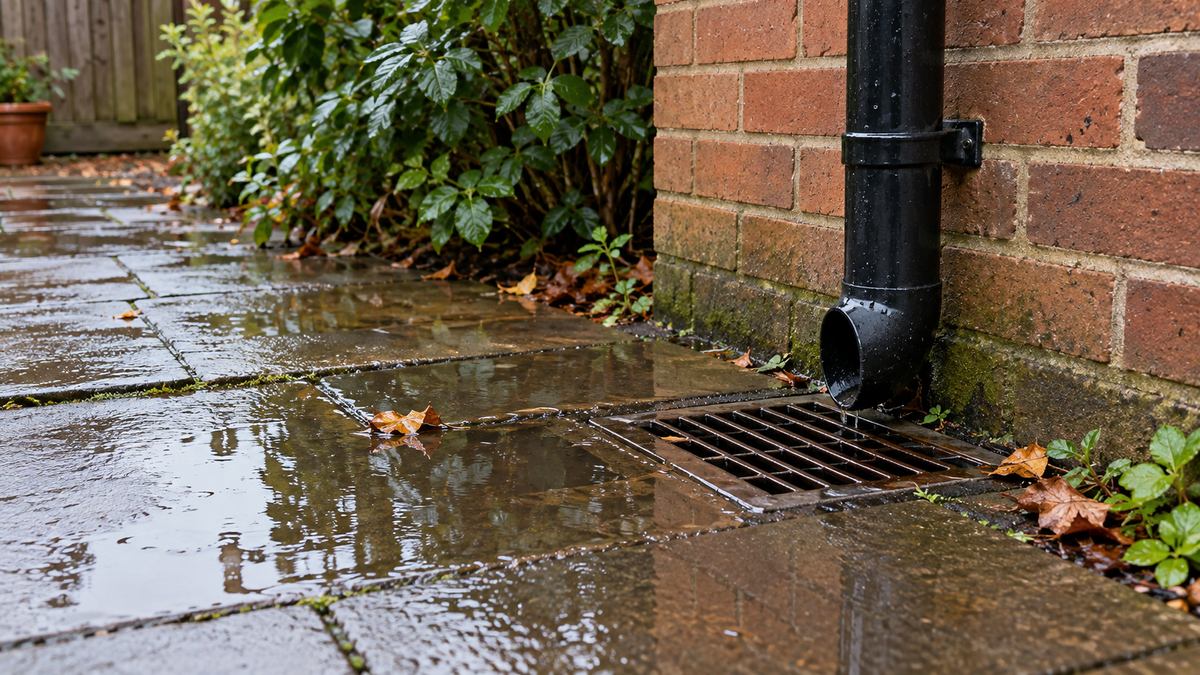
Yes, rats are good swimmers, and they can travel through drains. A water-filled route is therefore not a reliable barrier, although a rat sighting does not mean every toilet or drain in your home is accessible. Repeated signs around drainage need an inspection of the route and any defects.
Swimming ability is not a map of your plumbing
A rat's ability to move through water explains how it can use some drainage routes. It does not tell you which pipe it used, where it entered or whether your plumbing has a fault. Those questions need evidence from your property.
Start with the location of the sighting. Was the animal outside beside a gully, inside the bathroom or in the toilet bowl? Record that distinction. An open door or a gap around a pipe may also explain a bathroom visitor, so avoid treating the nearest drain as a confirmed entry point.
Do not test a suspected route by flushing objects, blocking pipes or pouring chemicals down them. These actions can create a separate drainage problem and still leave the original access unresolved. A qualified plumber or drainage specialist can check the system safely.
If you find a rat in the toilet bowl
Keep your distance and move children and pets out of the bathroom. If you can lower the toilet lid without bringing your hands near the animal, do so. Close the bathroom door and arrange professional assistance. Do not reach into the bowl or try to strike or catch the rat.
Repeated flushing is not a reliable removal plan. It also cannot explain how the animal reached the fixture. Tell the person attending exactly what you saw and whether there have been other signs in the room or nearby drains.
After the immediate incident is managed, ask about checking the drainage route rather than stopping at cleaning the bowl. Our article on rats coming through toilets or drains focuses on that investigation.
Separate rain damage from evidence of rats
Heavy rain and flooding can disturb outdoor shelter and change where rodents are noticed. That makes a property check useful after conditions are safe, but flooding does not prove that rats entered the house. Look for fresh damage and signs rather than assuming the worst.
Keep away from floodwater, exposed wiring and unstable structures. Follow local emergency, public health and utility instructions before re-entering affected areas. Do not walk through standing water to examine a drain or open an electrical appliance that has been wet.
| Observation | What it tells you | Who or what comes next |
|---|---|---|
| Water draining slowly | A drainage problem needs checking; rats are not confirmed | Contact a plumber or drainage specialist |
| Broken gully cover | A protective part is damaged | Arrange a suitable repair without obstructing water flow |
| New droppings indoors | Rodent activity needs assessment | Record the location and contact a pest professional |
| Sewage backing up | There is a sanitation problem | Keep people away and contact the responsible drainage service |
The guidance on rats after storms can help you organise checks once the building is safe. Leave flooded cellars and damaged service areas to people equipped to assess them.
Check the boundary between pipes and the building
When you can work safely in a dry area, look around visible service pipes under sinks, behind accessible bathroom panels and beside external walls. A gap around a pipe is different from a route inside the drainage system. Photograph it so the right repair can be specified.
Outside, look from ground level for loose covers, damaged grilles and accumulated waste near gullies. Do not lift heavy covers or put your hands into openings. Report defects to the landlord or building manager if you do not control the shared drainage.
A specialist may recommend a drainage survey or a suitable protective fitting after inspecting the layout. Ask what defect the work addresses, how normal flow will be preserved and what maintenance is needed. Avoid a fitting chosen solely because it is advertised for rats.
For signs elsewhere in the room, see rats in the bathroom. A broader search matters when an animal could have entered through the building rather than through water.
Remove food access while the drain fault is investigated
Drain repairs and household housekeeping solve different parts of the problem. Keep waste contained, clear spilled food and stop leaving pet bowls full overnight. Do not put food scraps or cooking fat into drains. Follow local disposal advice for kitchen waste.
Do not handle suspected rodent waste or sewage with bare hands. Avoid dry sweeping and vacuuming droppings; consult official public health clean-up instructions. If you become unwell after contact with floodwater or rodent contamination, speak to a doctor and explain the exposure.
The EchoRepel Ultrasonic Rat Repellent is poison-free and uses ultrasonic sound that rats and mice want to avoid. A drain defect still needs a physical repair, and an animal already indoors needs an appropriate removal plan.