Peppermint spray is not a reliable way to keep mice out of a home. Home scent remedies lack good evidence, and their smell fades without closing the gaps mice use. Essential oils can also harm cats and some other pets, so a homemade mint spray is not an automatically safe alternative.
If you have found a gnawed food packet, the useful question is how a mouse reached it. Spraying the shelf may change its smell while leaving the route behind the cupboard untouched. Start with that route and the food supply, particularly if you are already seeing repeated signs.
What peppermint scent can tell you, and what it cannot
A freshly sprayed corner may smell strong. That observation does not show that mice have left, that a nest is empty or that another mouse cannot enter. There is no dependable household spraying interval that turns a fading scent into a physical barrier.
Evidence would need to show a useful effect under the conditions in which people live, with food, hidden routes and continuing access. A personal report of fewer sightings cannot tell you which factor changed. A mouse can also remain behind fitted cupboards without crossing the part of the room you can see.
Avoid judging progress by how minty the room smells. Our guide to smells associated with mouse deterrence puts scent remedies in context. A smell should never be your reason to leave a known entry hole unrepaired.
Why concentrated oil needs care in a pet household
Essential oils are concentrated substances. Some can be harmful to cats and other animals, and exposure can happen through contact, licking treated surfaces or inhalation. Calling something natural does not establish that it is suitable around a particular pet. Species, product ingredients and the way it is used matter.
Do not apply peppermint oil to an animal, its bedding, bowls or toys as a rodent remedy. Avoid soaked cotton wool where a pet could pick it up. Do not assume dilution or waiting until a surface dries settles every safety question. Speak to a vet before using essential oils around pets, and follow the product instructions.
If you think a pet has swallowed oil or become unwell after exposure, contact a vet promptly and keep the container available so its ingredients can be identified. For human exposure or illness, seek medical advice. This article gives general prevention information, not treatment instructions.
Inspect these kitchen points before reaching for a spray
| Inspection point | What to look for | Next step |
|---|---|---|
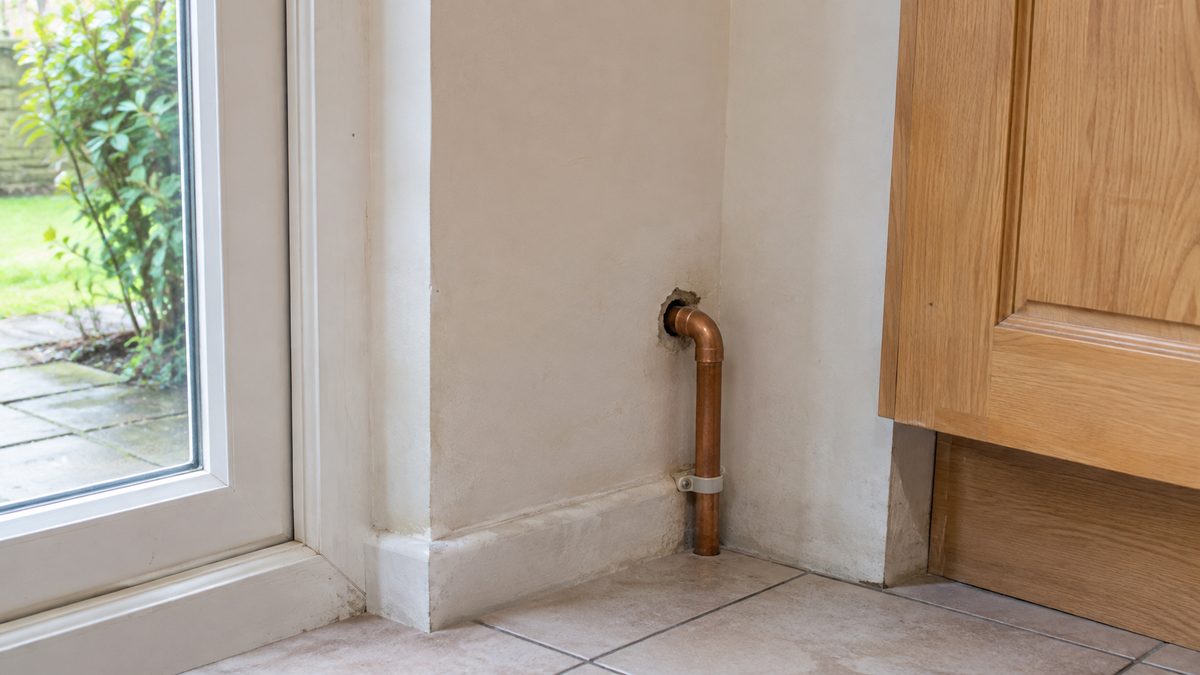
| Pipe entry beneath the sink | Unsealed space around the service opening | Arrange a durable repair suitable for the pipe and wall |
| Bottom of food cupboards | Spilled flour, gnawed packets or fresh droppings | Handle contamination safely and protect sound food |
| External kitchen door | Worn seals, damaged corners or a visible threshold gap | Repair the door fit rather than scenting the threshold |
| Waste and recycling storage | Food residue, overflowing bins or lids left open | Clean spills and make food waste inaccessible |
| Ventilation grille | Broken protection or gaps around its frame | Restore suitable protection while preserving airflow |
Photograph anything you cannot reach safely. Leave gas connections, electrical fittings and awkward appliance removal to the appropriate tradesperson. A narrow space does not become safe to work in because you can reach it with a spray nozzle.
Protect food before chasing the mouse from one shelf to another
Put unaffected dry food in rigid containers with tight-fitting lids, and inspect packets before transferring their contents. Discard food with rodent damage or contamination. Clean crumbs beneath accessible units, and include pet feeding areas in the check. Refill bowls as needed rather than leaving spilled food around them.
A large unopened bag can still be vulnerable to gnawing. Inspect stored rice, flour, seed and animal feed as well as food currently in use. For the particular problem of damaged pantry packets, read what to do about mice in pantry food.
Pair entry repairs with suitable mouse removal
Repair the routes you find using materials appropriate to the building and resistant to gnawing. Keep required ventilation open. Where signs lead into a wall or shared service space, ask a pest professional about inspection and the order of work before sealing an occupied cavity.
Mice already inside may need trapping. Follow instructions for a suitable trap, placing it along an identified route in a position inaccessible to children and pets. Use an appropriate enclosure where needed and check it as directed. Our guide to keeping mice out of a house connects these repairs with daily prevention.
Check the cleaned area for new activity
Use official public health advice when cleaning droppings: avoid dry sweeping or vacuuming, and follow suitable wet-cleaning and disinfectant instructions. Keep a note of the places cleaned, inspected and repaired. New droppings or damage then have a clear context rather than being confused with signs left from before.
If activity continues, widen the inspection to neighbouring rooms, outside access and shared building spaces. Seek professional help when the route is concealed or safe trapping is difficult. Repeated spraying can consume attention while those access points remain open; checking and repairing them addresses the reason mice can keep reaching the room.