Mouse droppings usually resemble small grains of rice with pointed ends. Rat droppings tend to be noticeably larger and blunter. Those differences help narrow down a rodent problem, but they are clues rather than a certain identification. You do not need to settle the species before planning careful cleanup.
A few pellets behind a cereal cupboard can prompt a different inspection from a larger scattering beside a garage wall. Start with the location, look at the general shape from a distance and note nearby damage. Leave the material undisturbed while you gather cleaning supplies. Picking it up for a closer look adds nothing useful.
Compare size, shape and surrounding signs
| Clue | Mouse droppings | Rat droppings |
|---|---|---|
| General size | Small, rice-grain sized | Noticeably larger pellets |
| Typical ends | Often pointed | Often blunter |
| Places to inspect | Cupboards, drawers and small sheltered gaps | Garage edges, storage areas and larger sheltered routes |
| Identification limit | Sizes and shapes vary | Sizes and shapes vary |
| Cleanup | Ventilate, glove up and wet-clean | The same wet-cleaning sequence |
A rigid measurement rule can mislead when pellets are broken or the animal is small. Avoid sorting a pile into sizes, placing pellets beside a ruler or crushing one to check its texture. A description of the location and visible signs is enough to begin a conversation with a pest control professional.
Use our guide to telling rats and mice apart to compare the broader pattern. Droppings are one part of that picture. Gnawed packaging, damage around an opening and repeated activity in the same place can help identify where the inspection should go next.
Where you find them helps plan the search
Check accessible edges of cupboards, the space behind stored food and the floor beside appliances without moving contaminated objects first. In garages and sheds, note whether signs are concentrated near stored seed, pet food or boxes. Both rats and mice can use sheltered storage areas, so location alone does not separate them.
Write down which rooms contain signs. A single cupboard needs attention, but waste across several rooms calls for a wider inspection. Include the outside of the building: door bottoms, pipe entries and damaged vents deserve a look after cleanup. During fall (autumn), add the garage and seasonal storage areas to that check.
What either kind of dropping means
Droppings show that a rodent has used that space. They do not give a reliable head count, and their appearance cannot identify the germs present. Remove access to food, arrange appropriate rodent control and clean the affected area. After cleaning, new droppings provide a clearer reason to investigate continuing activity.
Some wild rodents carry hantavirus, and rodent droppings can carry other germs. People can be exposed by breathing dust contaminated with urine, droppings or nesting material. Our guide to mouse droppings and illness explains the limited health facts separately from identification. Small pellets deserve the same care as large ones.
Clean rat and mouse droppings the same way
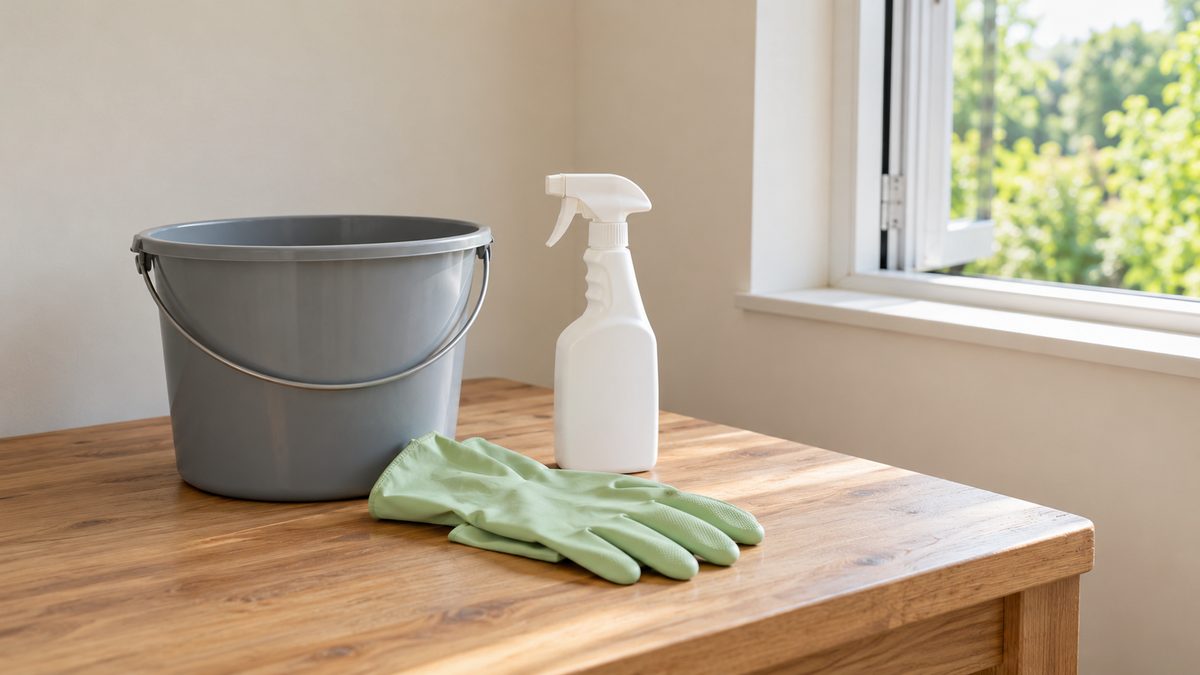
Follow the CDC rodent cleanup instructions. Open doors and windows for 30 minutes before cleaning, leaving the area meanwhile. Wear rubber or plastic gloves. Have paper towels and a covered garbage can ready before handling waste, so the removal and disposal steps can follow each other.
Spray urine, droppings and nesting material with an EPA-registered disinfectant until very wet. Leave it to soak for five minutes or follow the label contact time. Do not sweep or vacuum the material. Wipe it up with paper towels, put the towels in a covered garbage can emptied regularly, then mop or wipe hard surfaces with disinfectant.
For dead rodents or nests, spray and allow the soaking time before bagging. Seal the first bag inside a second sealed bag and put it in a covered garbage can emptied regularly. Wash gloved hands before removing gloves, then wash bare hands with soap and warm water. Our step-by-step mouse droppings cleanup guide keeps the sequence together.
Know when to arrange help
When booking an inspection, explain what has already been cleaned and which areas remain untouched. Mention waste behind appliances or inside storage that you cannot reach easily. Ask how the service will handle removal, entry repairs and follow-up checks. Those details make the visit more useful than a request based only on whether a pellet looks like rice. Keep a record of the affected locations so you can compare the same areas after the work is finished.
A heavy infestation or an attic or crawl space full of droppings needs professional cleanup. Tell the service where you found waste and whether there are nests or inaccessible areas. A species guess should not delay asking for help with extensive contamination. Arrange sealing and follow-up rodent control alongside the cleaning work.
If you feel unwell after rodent exposure, contact a doctor promptly and tell them about the exposure. Neither pellet size nor a clean-looking room can tell you whether you are infected. Keep the practical priorities clear: careful cleanup, removal of food access and repair of the routes that let rodents inside.