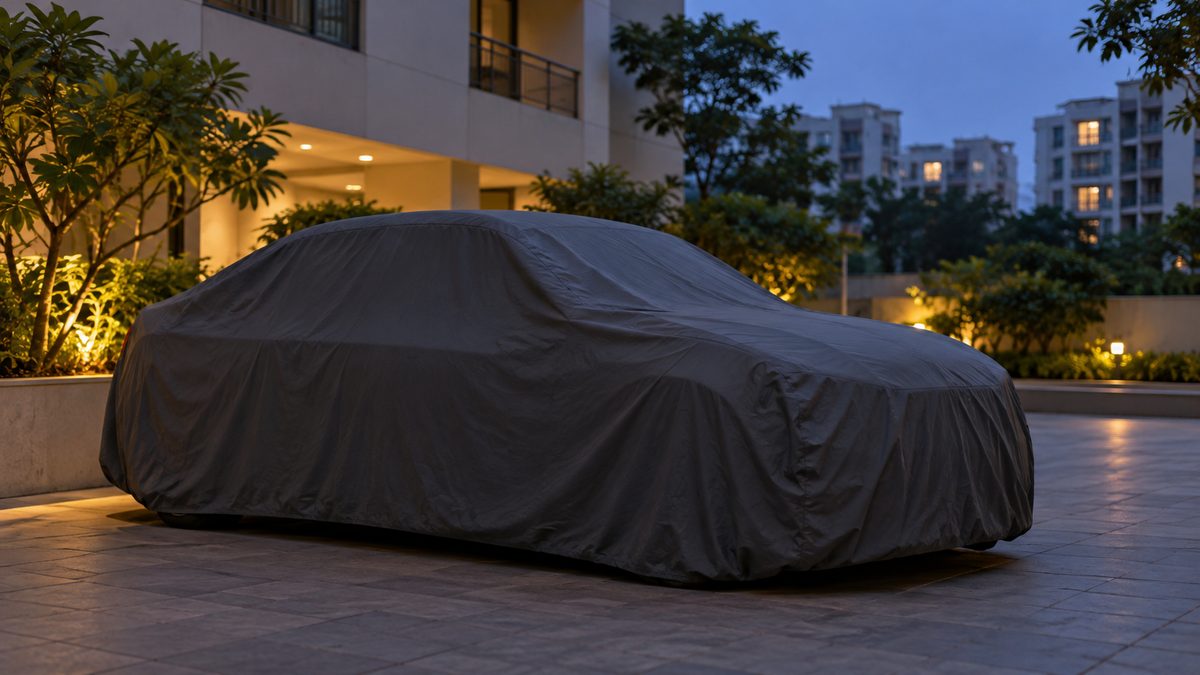
Most rat damage to cars follows the same pattern: the car is parked overnight, rats move into the warm engine bay while everyone sleeps, and the chewing starts. Protect the overnight hours and you deal with the most common route to a chewed harness. This guide covers where to park, what to remove, a weekly check, and what works for each kind of parking.
1. Choose the parking spot carefully
Rats go where food and shelter are easy. Where you can, avoid parking:
- Next to garbage bins, food stalls or compost.
- Beside gardens, bushes or piles of leaves and debris.
- Over open drains or near drain openings.
- In the same undisturbed corner every night if that corner is beside any of the above.
Even shifting a couple of metres away from an attraction helps.
2. Remove the food and nesting cues
- Don't leave food, wrappers or grocery bags in the car.
- Clear leaves and debris from the cowl (the gap below the windscreen) and bonnet edges.
- Keep the area around the car free of clutter rats can shelter in.
- If you use a car cover, make sure it doesn't drape to the ground and create a sheltered space underneath.
3. Make a quick weekly bonnet check
Open the bonnet once a week and look for droppings, bite marks or nesting material. Catching activity early is the difference between a quick fix and an expensive rewire. Our list of 7 signs of rats in your car tells you what to look for.
4. Drive it, or at least move it
A car that moves every day is disturbed often. One that sits for days in the same spot gives rats time to settle. If the car will be parked for a while, ask someone to drive it, and read what happens when a car sits parked for a week.
5. Run an ultrasonic deterrent overnight
This covers the hours you can't watch. An ultrasonic rat repellent fills the enclosed engine bay with high-frequency sound meant to make it an uncomfortable place to nest. The EchoRepel Car Rat Repellent mounts under the bonnet and runs on your car's power or a battery option, which suits covered or basement parking with no socket nearby. It works best alongside the steps above, not instead of them.
What works for each kind of parking
| Where you park | Main risk | Focus on |
|---|---|---|
| Street or open lane | Drains, bins and food stalls nearby | Spot choice, weekly check, deterrent |
| Open society lot | Garbage points, garden beds | Spot choice, clean bay, ask the society to manage bins |
| Basement | Dark, quiet, sheltered; often near drains | Battery-powered deterrent, frequent checks, society action |
| Private covered garage | Stored items and clutter | Declutter, seal gaps under the door, deterrent |
Special case: basement and society parking
Enclosed basement parking is high-risk: it's dark, quiet and sheltered, which is what rats want, and repeat problems are common. A battery- or DC-powered ultrasonic unit is useful here because it runs without a power outlet, and the LED strobe on some units adds a visible deterrent in the dark. If several cars are affected, the fix has to include the building; see rats in society basement parking.
What doesn't work well
- Naphthalene balls and peppermint oil: smells fade within days and rats get used to them. See what smells rats hate.
- Rat poison in or near the car: a poisoned rat may die in the engine bay. See why rat killer backfires.
- Leaving the bonnet open: rarely practical or secure outdoors, and it lets rain in.
The overnight routine, summed up
Park away from attractions, keep the car and its surroundings clean, check weekly, move the car often, and run a deterrent through the night. That combination protects your wiring during the window when rats do most of their damage, for much less than the cost of a single repair.
If you think a rat has already been in, our guide to rats chewing car wires lists the signs and typical repair costs.