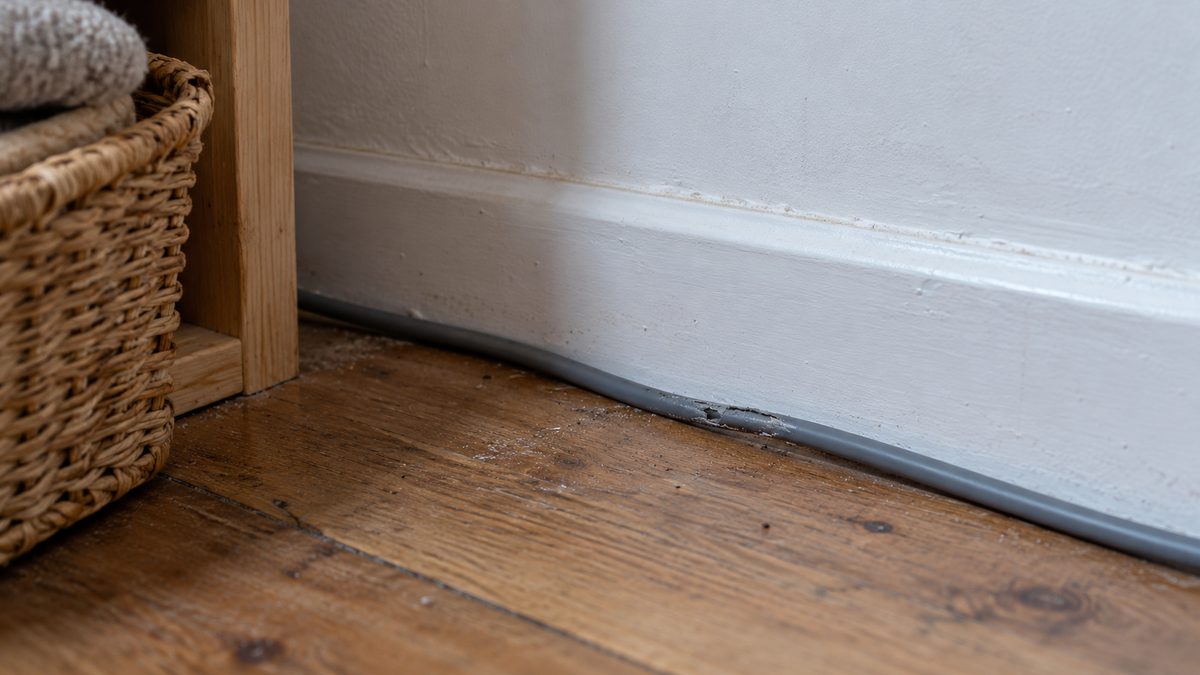
Mice and rats can chew cable insulation at home, leaving wiring that may cause an electric shock or fire. If you find gnaw marks on a mains lead, stop using it and arrange an electrician's assessment of any affected fixed wiring. Smoke, sparking or a strong burning smell calls for immediate action, before you deal with the rodents.
Colder nights can make sheltered cupboards, lofts and floor voids attractive to rodents. Those spaces often contain cables too. Winter is a reason to check neglected corners, but noises or droppings alone do not tell you whether an electrical circuit is damaged.
Electrical warning signs that change what you do next
Look at what you can see without touching cables, opening sockets or moving heavy appliances. A chewed outer sheath needs attention even if the appliance still works. Damage can continue behind a cupboard or inside a wall, beyond the part you noticed.
| What you notice | Your next step |
|---|---|
| Smoke, flames, arcing or active sparking | Leave the area, keep others out and contact the local fire service from safety. |
| Scorching, a burning smell or buzzing at an electrical fitting | Keep away and seek urgent electrical help. Do not touch the fitting to test its temperature. |
| Split insulation or visible metal in a cable | Treat it as live. Prevent access and have the supply isolated safely before work begins. |
| Repeated circuit trips or unexplained flickering | Stop resetting the circuit and call an electrician. Rodents are only one possible cause. |
| Droppings near apparently intact wiring | Avoid disturbing the area and arrange a careful check before cleaning around it. |
Only switch off a supply if the controls are safely accessible and you can do so without approaching heat, smoke, water or damaged wiring. Do not delay leaving a dangerous room to reach a consumer unit or breaker panel. Never throw water on an electrical fire.
Check the cable route without dismantling the room
Start with the location of the first clue. From a safe position, use a torch to look along skirting boards, behind open cupboard doors and around accessible pipe entries. Do not pull a cooker, fridge or washing machine forward when a cable behind it may be damaged; movement could expose a conductor or worsen the fault.
Photograph the location without reaching into the space. Note which room is affected, any loss of power and whether a smell appears when something is switched on. Do not switch equipment on again to recreate the symptom. These observations help the electrician plan an inspection without asking you to test a potentially unsafe lead.
Tooth marks, shredded material and droppings together support a rodent explanation, although wear and trapped cables can also split insulation. The guide to materials rats can chew through explains why a surface patch is not a lasting barrier. If sounds come from below the room, also read about rats under floorboards before considering access.
Give the electrician the electrical problem first
Ask a suitably qualified electrician to assess damaged fixed wiring, sockets, lighting circuits and any unexplained electrical symptoms. Tell them that rodents are suspected before they attend, especially if a loft or floor void contains droppings. They may need a pest controller to make access practical before some work can proceed.
Do not wrap gnawed insulation in tape, splice a cable yourself or rely on the fact that a lamp still lights. A protective device is not a substitute for inspecting damage. For a damaged removable appliance lead, keep the appliance out of use and have the correct lead replaced or the appliance assessed by a competent repairer.
Describe the full area where signs were found rather than asking for a repair to the first visible bite mark alone. Once the affected wiring has been made safe, agree whether nearby hidden routes need further investigation. Keep a record of the repair and any places that remain inaccessible.
Clean the cupboard after the wiring is made safe
Keep children and pets away from the affected corner. Do not spray liquid disinfectant towards sockets, leads or electrical equipment. Have the electrical hazards dealt with before you attempt a rodent clean-up nearby; otherwise a sensible wet-cleaning method can introduce another risk.
On suitable non-electrical surfaces, avoid dry sweeping or vacuuming droppings. Follow local public-health advice and the disinfectant label for wetting and removing contamination, using gloves. Our mouse-dropping clean-up guide covers that separate task. Extensive contamination or material mixed into insulation is a reason to use professional cleaners or pest control.
Close the entry route without trapping the problem inside
Repairing a lead leaves the entry route unchanged. Check exterior door bottoms, service openings and damaged vents, then agree an exclusion plan with a pest controller if there is active activity. Avoid blindly closing every opening while animals may remain in an inaccessible cavity.
Ask the electrician about suitable cable protection where wiring crosses a vulnerable area. Do not pack loose metal mesh against cables or fill electrical boxes with foam. Penetrations through fire-resisting construction need appropriate repairs, and ventilation openings must continue to ventilate. The house rat-proofing checklist helps organise the building checks around the electrical work.
Remove food from utility cupboards, store pet food in closed containers and reduce piles of fabric or cardboard beside cable routes. Revisit repaired areas for fresh signs without disturbing the wiring. Where winter is mild, rodent access can still occur; maintain these checks beyond the coldest weeks.
The EchoRepel Ultrasonic Rat Repellent is poison-free and uses ultrasonic sound that rats and mice want to avoid. Electrical repairs, cleaning and entry-point work still need their own attention; no deterrent can promise that chewing will stop.