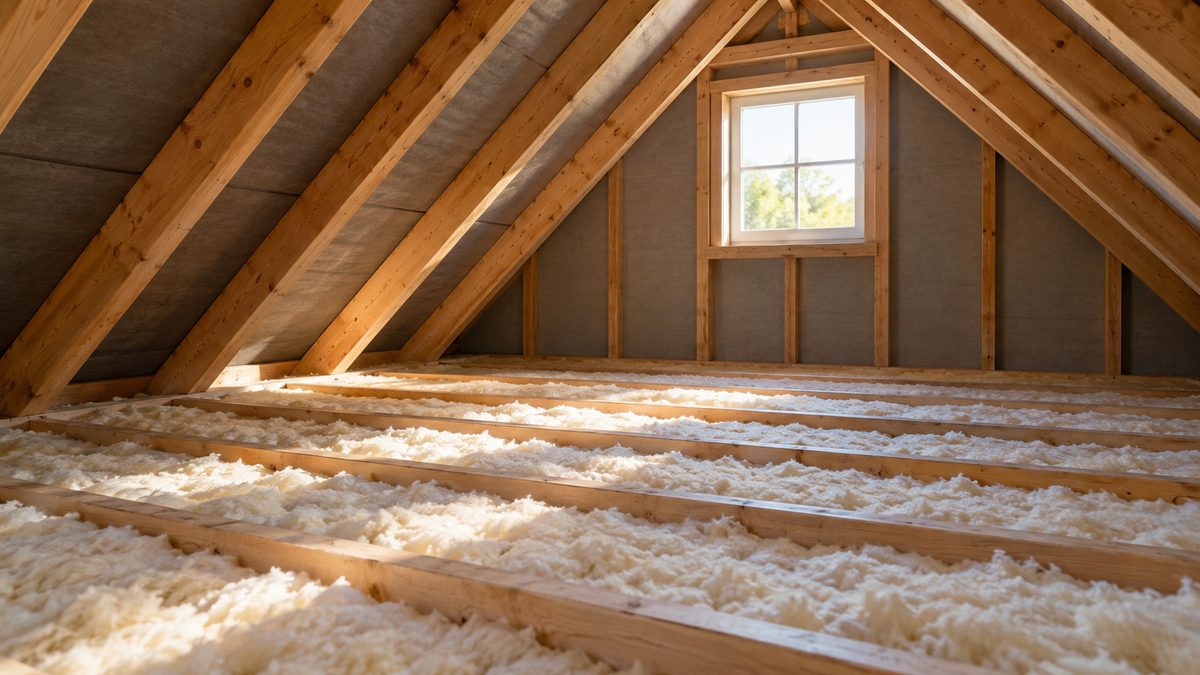
Quick footsteps above a bedroom after sunrise can point to squirrels using the attic. A damaged soffit or roof vent may explain how they arrived. The priority is to identify the visitor and find out whether a nest contains young before anyone closes the entrance. A repair made too early can leave animals inside.
Keep the attic hatch closed, keep pets away and call a licensed wildlife control professional. Do not chase squirrels through the attic or reach into insulation. Work at roof level and movement across attic framing carry their own hazards, even before you consider the animal.
Use noise timing as a clue
Many tree squirrels are active during daylight, so running or scratching in the morning can suggest them. Rats are more often noticed at night. That distinction helps describe the problem to a professional, but it is not a diagnosis. Different animals can use the same building, and sounds travel through joists and wall cavities.
Write down the time, location and type of sound for a few days if doing so does not delay urgent repairs. From the ground, note whether a squirrel repeatedly approaches the same roof corner. A photograph or short recording can help the inspection without requiring you to enter the occupied space.
| Clue | What it may indicate | What to do |
|---|---|---|
| Daytime running overhead | Possible squirrel activity | Record the timing and request identification |
| Gnawed soffit or vent edge | A possible entry route | Photograph from the ground |
| Disturbed insulation | Movement or nesting in the attic | Avoid disturbing the area before assessment |
| Chewed wiring | Electrical damage needing attention | Arrange an electrician as well as wildlife help |
If the inspection identifies rats instead, follow the separate rat removal guide for attics. Equipment and timing suitable for one animal should not be transferred to another without assessment. An unidentified noise is a reason to investigate, not a reason to buy several different deterrents.
Check the roofline from a safe position
Common inspection points include soffits beneath the roof edge, fascia boards, roof vents and places where materials meet. Loose trim or an existing damaged opening may give access. The visible hole can be only part of the route, so ask the professional to inspect the wider roofline rather than patching a single mark.
Keep your own checks on the ground. Do not climb a ladder to confront an animal or lean across a roof edge to cover a gap. Tell the contractor about solar equipment, difficult access and any previous roof repairs. These details help them plan a safe inspection and coordinate with a roofer when necessary.
Understand the damage that needs checking
Squirrels can disturb attic insulation, chew timber edges and damage cable insulation. Nesting material may be hidden where it is hard to inspect. Once the animals have left, the building still needs a separate damage assessment. A quiet ceiling does not tell you whether a wire, vent cover or soffit is sound.
If cables look chewed, leave them untouched and have an electrician assess them. Do not pull apart a nest to look underneath it. Ask the wildlife professional and relevant tradespeople which areas need access, which materials need replacement and whether the roof opening has allowed moisture into the structure.
Ask about young before exclusion
The inspection must consider breeding season and dependent young. Timing varies with species and location, so a fixed month-by-month household rule is unreliable. One squirrel leaving the attic does not prove the nest is empty. Explain any repeated trips you have seen and ask how the professional will establish whether young are present.
Check local wildlife rules and choose a licensed wildlife control professional. Ask for a plan that accounts for the nest and explains when exclusion is appropriate. Do not attempt trapping or relocation yourself. Do not use poison for squirrels or pour chemicals into an attic opening.
Leave one-way exclusion to a professional
Where appropriate, a professional can install a one-way exclusion door that allows an animal to leave while preventing re-entry. The important part is the assessment before installation, especially whether young could be left inside. This is not a device to fit over an occupied entrance on the assumption that every squirrel can walk out.
Ask who will monitor the work and how they will confirm that all animals are out. Also ask what happens if noises continue or an animal starts working at another roof corner. The job should include a clear follow-up plan, not just an opening covered during the first visit.
Finish with repairs and reduce easy roof access
After clearance, repair the entry points with durable materials appropriate to the building. Replace damaged soffits or vent covers, preserve required airflow and check neighbouring weak spots. Ask the contractor to document completed repairs with photographs, especially where you cannot see the work safely from below.
Have overhanging branches trimmed by a suitable tree professional where they provide easy roof access. Trimming reduces a route; it does not replace roof repairs or guarantee squirrels cannot reach the building. Secure birdseed and other stored food too. If activity also appears around a parked vehicle, see squirrels in a car engine for that separate inspection.
EchoRepel is intended for rats and mice, and we make no claim that it repels squirrels. For this attic problem, judge progress by confirmed clearance, repaired access and follow-up checks. Keep the contractor’s inspection notes so a new sound or damaged corner can be compared with the original findings.