Rats can carry infections linked to leptospirosis, salmonellosis and rat-bite fever. Hantavirus is mainly associated with certain wild mice and rats in some regions, so the local species and location matter. Seeing a rat does not mean you have caught a disease; the route of exposure is what needs assessing.
This is general information, not a diagnosis. A bite, contact with contaminated floodwater or illness after a likely rodent exposure warrants medical advice. Tell the clinician what happened, where it happened and when, rather than trying to identify an infection from symptoms alone.
Match the infection to the exposure route
| Infection | How exposure can happen | Practical precaution |
|---|---|---|
| Leptospirosis | Infected animal urine contaminates water or soil and reaches broken skin or the eyes, nose or mouth | Avoid suspect water, cover cuts and use suitable protection for necessary work |
| Salmonellosis | Contaminated food, hands or surfaces allow bacteria to be swallowed | Discard affected food and clean food-contact areas safely |
| Rat-bite fever | Contact with infected rodents, including bites or scratches; contaminated food or drink can also transmit infection | Wash wounds promptly and obtain medical assessment |
| Hantavirus infections | Certain infected rodent species shed virus; disturbing contamination can create an inhalation risk | Follow regional public-health guidance and avoid dry dust disturbance |
These routes are not a list of every possible rodent-linked infection. They explain why food hygiene, wound care and cleaning methods matter. Not every rat carries each infection, and risk cannot be estimated from the animal looking healthy or unhealthy.
After a bite or splash, deal with the contact first
Wash a bite or scratch promptly with soap and running water, cover it with a clean dressing and seek prompt medical advice. A clinician should assess the wound and vaccination needs. Do not wait for fever or assume a tiny puncture is too small to matter.
If contaminated material reaches your eyes or mouth, rinse with clean water and obtain advice about the specific exposure. Wash contaminated skin and change soiled clothing. Do not apply household disinfectant to skin or wounds; surface cleaning products are not medical treatments.
For a practical discussion of household exposure, read rats and human health. If you are unsure about the appropriate service, contact your local healthcare provider rather than seeking reassurance from an animal photograph.
Clean a small contaminated area without raising dust
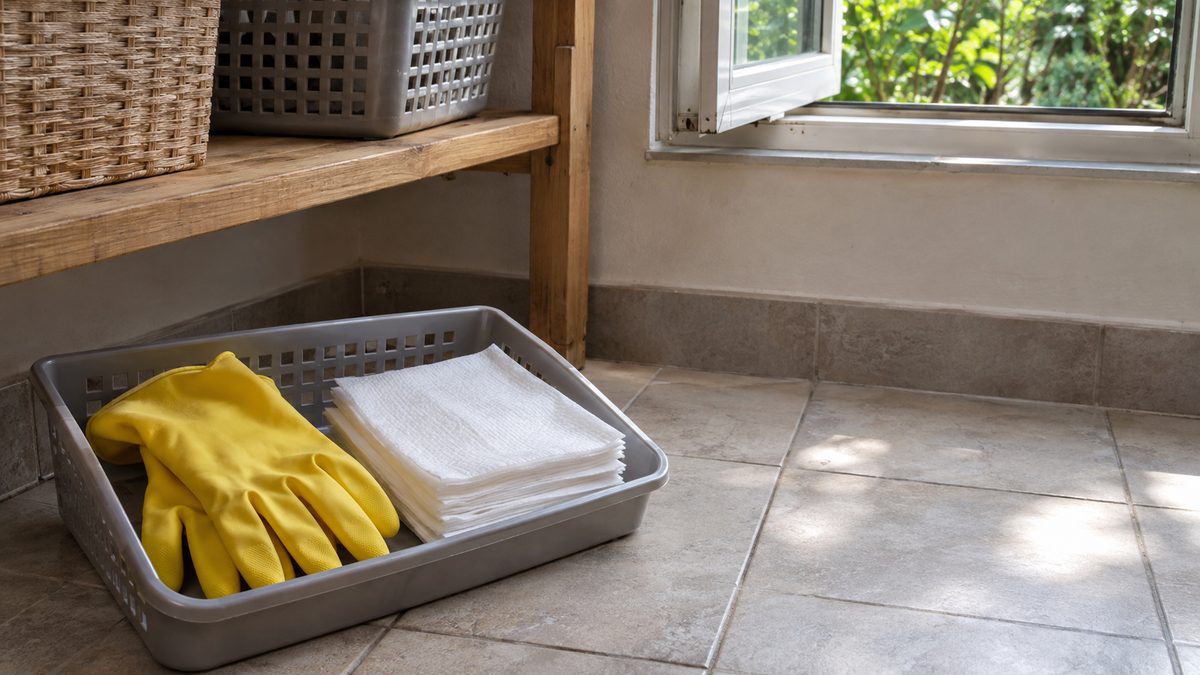
Keep children and pets away. For an enclosed space, ventilate before cleaning where it is safe to do so, following local public-health instructions. Wear suitable gloves and avoid touching your face. Never dry sweep, vacuum or pressure-wash droppings and nests.
- Choose a disinfectant suitable for the surface and follow its label.
- Wet droppings and the surrounding affected area thoroughly.
- Allow the labelled contact time before wiping up with disposable towels.
- Bag waste securely and follow local disposal guidance.
- Disinfect the cleaned surface, clean reusable equipment and wash hands after removing gloves.
Never mix cleaning chemicals. Check that a surface product is suitable for use around food, and follow any required rinsing instructions. Use safe dropping cleanup guidance for the method, while checking your regional public-health authority for local requirements.
Large amounts of waste, contaminated insulation, inaccessible cavities or ventilation systems call for professional assessment. Ordinary gloves and a face covering do not make every cleanup safe. If you have already vacuumed contamination, stop disturbing it and seek advice on the next steps.
Do not try to rescue food from damaged packaging
Discard food that has been gnawed or visibly contaminated. Do not cut away the damaged part or transfer the contents into a clean container. Inspect nearby storage and clean shelves before returning unaffected items. Consider how hands, utensils or preparation surfaces may have carried contamination further.
Keep food, pet feed and waste in sound closed containers. Repair the access route as part of the control plan so cleaning does not become a repeated task. Droppings in a food cupboard need attention even if no one in the household feels unwell.
Describe symptoms and exposure together to a doctor
Fever, muscle aches, headache, vomiting, diarrhoea or a rash can have many causes. If these develop after a plausible rodent exposure, obtain medical advice and mention that exposure. Do not assume the cause is a stomach bug, and do not use this list to rule out illness.
Seek urgent medical care for difficulty breathing, confusion, severe illness, yellowing of the skin or eyes, or signs of serious dehydration. A bite wound that becomes red, swollen or painful also needs assessment. People with additional health risks should ask their clinician about their circumstances.
Use official guidance for your location, such as your national public-health authority, because hantavirus species and exposure patterns vary. Our article on hantavirus and rodent droppings explains why regional context matters. Reducing contact and getting timely advice is more useful than trying to attach a disease label to every sighting.