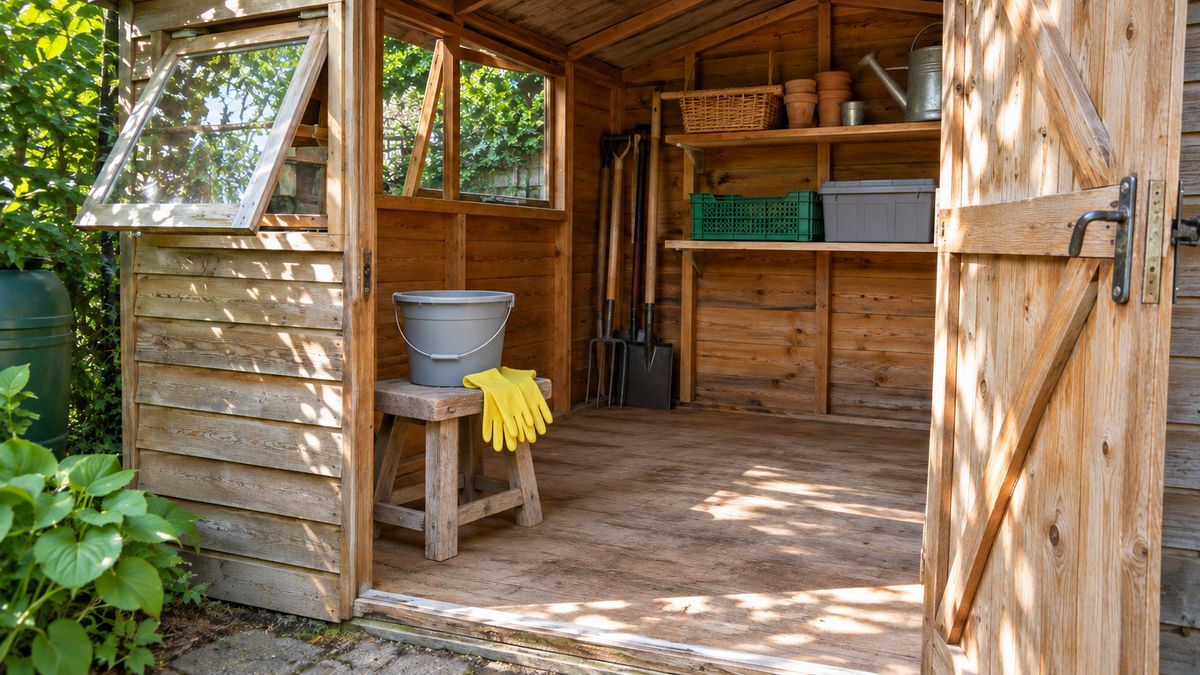
Mouse droppings should be cleaned by wet disinfection, not by sweeping or vacuuming. CDC guidance warns that disturbing droppings, urine or nests can put virus particles into the air. For a closed room or shed, begin by opening doors and windows for at least 30 minutes and leave the space during that time.
Finding droppings does not establish that a mouse carried hantavirus or that you have become infected. It does mean the area needs careful handling. The following is general information for accessible contamination; extensive deposits, unsafe access or illness need professional advice.
Why a broom or vacuum changes the exposure
Dry cleaning breaks up and moves contaminated material. A broom can raise dust, and a vacuum is not the CDC's recommended way to collect rodent waste. Do not start by brushing pellets into a pile, blowing them out of a corner or shaking a dusty nest into a bag.
The purpose of wetting is to disinfect the material before it is wiped up and reduce disturbance of dry particles. A quick spray followed immediately by wiping misses the required soaking time. Cleaning tools and products must also suit the surface, especially where finishes or electrical parts could be damaged.
For the routine household task, see how to clean mouse droppings. If the area is a building that has been shut for some time, cleaning a shed or cabin after mice provides related planning advice.
Prepare the room before touching contaminated material
Keep children and pets out. Open doors and windows to ventilate a closed shed or room, then remain outside for at least 30 minutes. Do not stay inside sorting boxes while the ventilation period runs. Avoid directing a fan across the droppings, which would disturb the material you are trying to leave still.
Gather gloves, paper towels, a suitable household disinfectant, waste bags and access to handwashing. Read the product label before starting. If you cannot reach the contamination without crawling into a confined space or disturbing a large amount of insulation, stop and arrange specialist advice.
Keep food, kitchen utensils and clean items away from the work area. Do not carry a contaminated cardboard box through the house to empty it elsewhere. Plan the shortest safe route for bagged waste so you are not spreading loose material between rooms.
The CDC wet-cleaning sequence
- After the ventilation period, put on gloves before handling contaminated material.
- Spray droppings and urine with a household disinfectant or a fresh solution of one part bleach to nine parts water.
- Allow the material to soak for five minutes, or follow the disinfectant label's stated contact time.
- Use paper towels to wipe up the wetted material. Avoid flicking, scraping or scattering it.
- Dispose of used towels in waste bags and clean the affected hard surface with a suitable disinfectant according to its label.
- Wash gloved hands before removing the gloves, then wash bare hands thoroughly after the task.
Use only one compatible cleaning product at a time. Never mix bleach with other cleaners, including acids or ammonia. If you choose bleach, make the solution fresh and check that the surface can tolerate it. A labelled household disinfectant is the alternative in the CDC guidance; you do not need to combine the two.
Where a dead rodent or nesting material is present, wet it with disinfectant and allow the stated soaking time before handling it with gloves. Double-bag dead rodents and nesting material and put the bags in a covered bin. Do not squeeze bags to force air out, and wash your hands afterwards.
Recognise a cleanup that needs a different plan
| Situation | Safer next step |
|---|---|
| Small accessible deposit on a hard floor | Ventilate where needed, then follow wet disinfection and wiping |
| Widespread droppings or multiple nests | Ask a pest or cleanup professional to assess the extent before disturbance |
| Contaminated loft insulation or enclosed voids | Leave material in place pending advice on access and removal |
| Waste beside electrical parts | Arrange appropriate isolation and specialist cleaning advice |
| Droppings already vacuumed | Stop further disturbance and seek advice about the area and equipment |
If you already used a vacuum, do not empty or shake it indoors. What to do after vacuuming mouse droppings addresses that follow-up. Mention the exposure to a clinician if you feel unwell; no online checklist can establish whether infection occurred.
When a doctor needs to hear about the exposure
Contact a doctor if you develop fever, muscle aches or other unexplained illness after exposure to rodent waste. Tell them when and where the exposure happened and whether dust was raised during cleaning. These symptoms have many causes and do not diagnose hantavirus on their own.
Breathing difficulty or severe illness needs urgent medical attention. Do not wait for a routine pest visit or for someone to identify the mouse. Ask your local public health service about current advice for your area and consult the CDC's official rodent-cleanup guidance when planning the work.
After cleaning, prevent another contaminated corner
Secure food and feed, clear spills and inspect entry points without disturbing remaining deposits. Keep a record of cleaned locations so fresh evidence is easier to recognise. Keeping mice out of your house helps turn the cleanup into a repair and storage plan.
If contamination returns, look for ongoing access rather than repeatedly disinfecting the same spot. Arrange control and proofing together, and keep the affected area separate from normal household use until the cause and the contamination have been addressed.