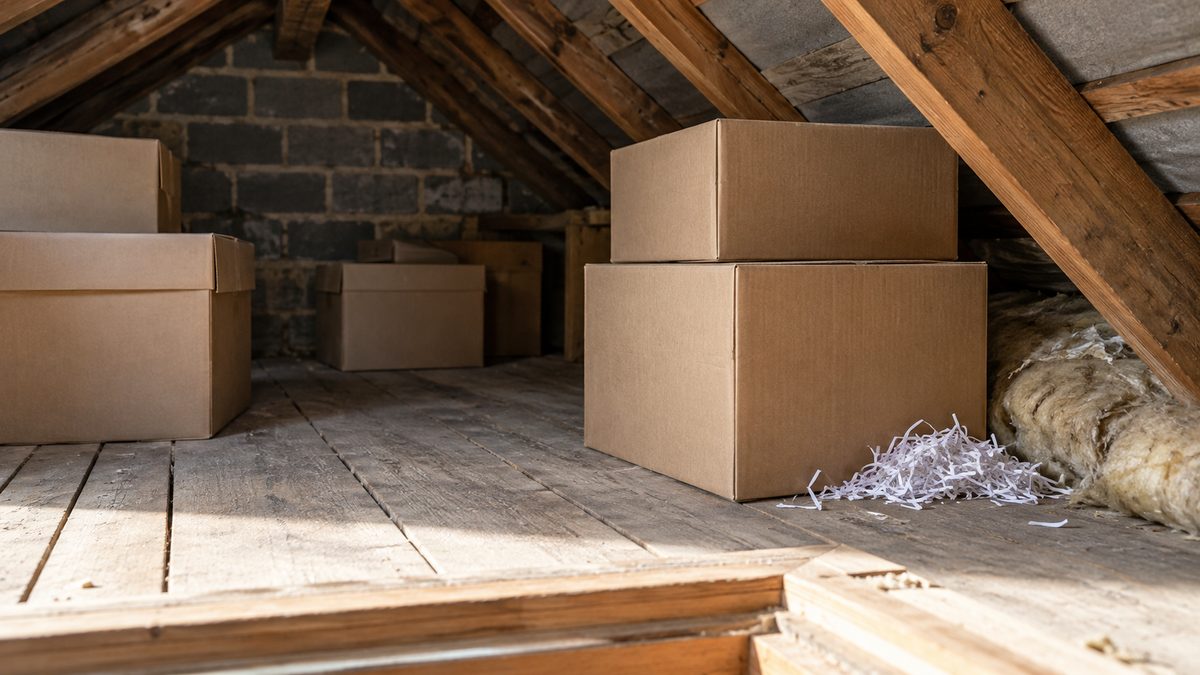
Rats can have babies throughout the year when food and shelter support breeding. Pregnancy in common pest rats lasts roughly three weeks, and females can become pregnant again soon after giving birth. There is no dependable month when a household can assume breeding has stopped.
If you suspect a nest, keep people and pets away and arrange an inspection without touching the material. One sighting does not reveal how many rats are present, but waiting to see babies can allow an existing problem to continue unnoticed.
Food and shelter matter more than a calendar date
Outdoor breeding varies with local conditions, including weather and the availability of food. A garden in a warm region and an exposed yard in a cold region do not provide the same environment. A heated building or sheltered store can also differ considerably from the weather outside it.
That is why a fixed breeding season is a poor household planning tool. Rats with dependable food, water and a protected nesting place may reproduce indoors even when conditions outside are less favourable. Kitchens, service voids and cluttered storage areas can supply parts of that combination.
Look at what sustains the site: open food waste, pet food left overnight, leaking water and undisturbed spaces. Removing these resources matters throughout the year. Seasonal clear-ups help, but they do not replace repairs to an entry route.
What rapid breeding means after one sighting
Common pest rats produce litters rather than a single baby, and young rats can reach breeding age within a few months. Exact timings and litter sizes differ with species and conditions. Those broad facts explain the need for a prompt response without turning a sighting into an invented population estimate.
A dramatic calculation of descendants assumes that animals survive, breed and remain in the same place. A house inspection cannot establish those assumptions from one rat crossing the floor. What you can establish is where it travelled, whether food was damaged and whether signs return after safe cleaning.
Record the sighting and inspect accessible adjoining areas. The guide to one rat or an infestation explains how repeated observations are more useful than guessing a total from a single encounter.
Possible nest clues and their limits
Rats may gather shredded paper, fabric or other soft material in a protected cavity. They may also use sheltered spaces beneath structures or burrows outdoors. Nest construction and location vary, so the absence of a visible ball of material does not rule out nesting.
| Observation | Possible meaning | Safe response |
|---|---|---|
| Shredded material gathered behind stored boxes | A possible nest, with age and occupancy uncertain. | Stop moving the boxes and photograph from a distance. |
| Repeated trips into the same wall gap | A frequently used route, possibly towards shelter. | Note the opening for the inspector; do not immediately block it. |
| Droppings and gnawed supplies near a quiet corner | Feeding or resting activity nearby. | Isolate affected supplies and arrange appropriate cleaning. |
| Small squeaks inside a void | A reason to investigate, but sound alone cannot identify a litter. | Avoid opening the cavity yourself. |
| A burrow beside a shed or food-waste area | Potential rodent shelter; the occupant is not confirmed by a hole alone. | Keep clear and request assessment. |
Our guide to finding a rat nest in your house covers likely locations. Use it to plan an inspection, rather than to justify reaching into a cavity or pulling apart contaminated insulation.
If you uncover a nest, stop the clear-out
Do not pick up young animals, shake nesting material into a bag or try to carry the nest outside. A frightened adult may be nearby, and the material can be contaminated even when no animal is visible. Keep children and pets away from the area.
Step back and leave the immediate site undisturbed. Tell a qualified pest professional what you saw, including any visible young, the room or outdoor location and nearby entry points. They can assess suitable control and removal with local requirements in mind. Do not copy relocation advice intended for another country.
After the site has been assessed and is ready for cleaning, follow official public-health guidance. Avoid dry sweeping or vacuuming waste. Large amounts of droppings, contaminated insulation and enclosed spaces need professional handling. Seek medical advice after a bite or illness following possible exposure, and tell the doctor about the contact.
Coordinate food removal, control and building repairs
- Close accessible food containers and secure household waste without disturbing the suspected nest.
- Fix accessible leaks and remove standing water where you can do so safely.
- Record holes around pipes, doors and roof edges for assessment.
- Agree the sequence of control and sealing so animals are not trapped inside a cavity.
- Clean affected areas when advised, then check for returning signs.
In shared buildings, include the manager because pipe ducts and waste stores can link several homes. Avoid filling a busy opening with foam as an isolated fix. The guide to rat-proofing your house explains the wider inspection and repair process.
Follow-up checks matter after removal: food remains and unrepaired gaps can support further activity. A poison-free home device uses ultrasonic sound that rats and mice want to avoid. If considered alongside other measures, it should not delay assessment of a suspected active nest.