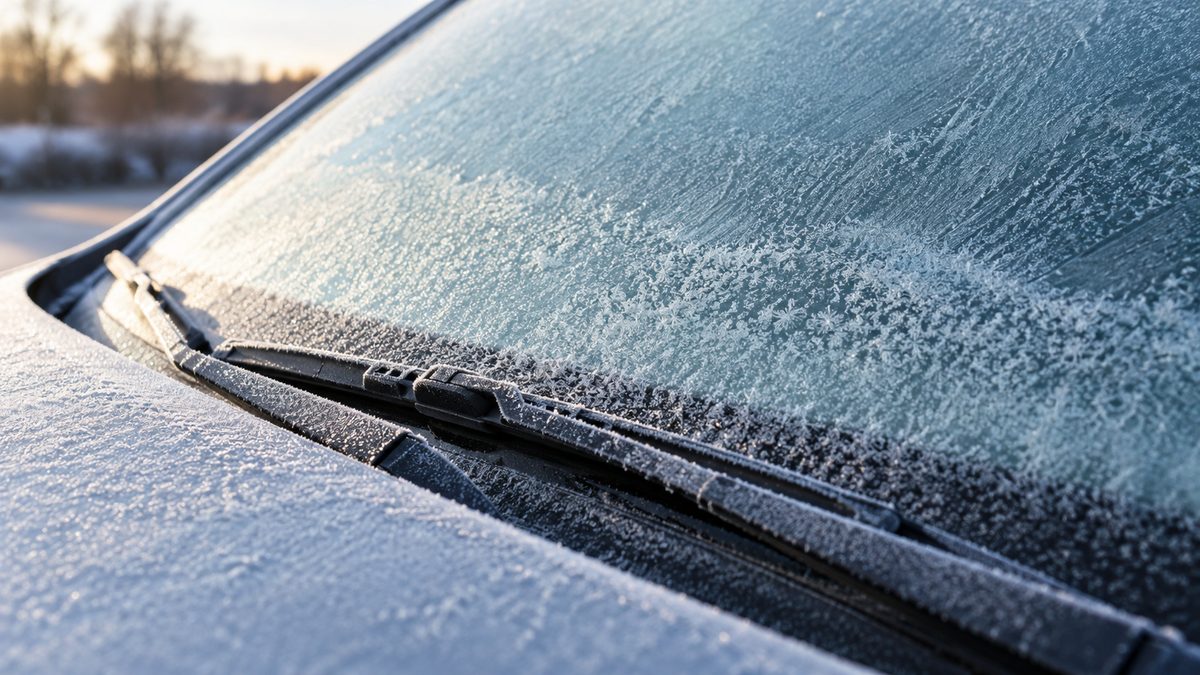
A car that started without fuss last week may turn over slowly on the first freezing morning. Cold weather changes both sides of the starting job: the battery has less available power, while the engine needs more effort to turn. A battery already close to failure can lose the margin that previously got you moving.
Winter preparation starts during fall (autumn), before a difficult start becomes a missed journey. Testing battery condition, reviewing charging habits and checking connections gives you more useful information than buying accessories after the car stops starting. A new battery also needs the correct specification and a healthy charging system.
Why cold makes starting harder
A conventional starter battery uses a chemical reaction to supply electricity. Cold slows that reaction, reducing the power available for starting. This does not mean every battery becomes permanently damaged on a cold night. It means the same battery can be less able to meet a demanding start when temperatures drop.
Engine oil also thickens in cold conditions, so turning the engine requires more power. Older or weak batteries fail first because their reserve is already limited. Repeated short journeys, lights left on or an unresolved charging fault can leave a battery undercharged before the weather adds further strain.
| Winter problem | What it means | Useful response |
|---|---|---|
| Slower battery chemistry | Less available starting power | Test condition before winter |
| Thicker engine oil | Starting needs more effort | Use the oil specification in the manual |
| Frequent short trips | Limited charging opportunity | Review driving and charging habits |
| Loose or corroded terminals | Connections can restrict current | Have connections inspected and cleaned |
| Old or weak battery | Less margin for a difficult start | Replace if testing shows it is failing |
Pay attention to changes in starting
Slower cranking, repeated clicking and lights dimming during a start deserve attention. They can indicate inadequate starting power, but they do not identify the fault on their own. Loose connections, starter trouble and charging-system problems can produce overlapping symptoms. Note whether the problem follows overnight parking, several short trips or a longer period of storage.
Our car battery testing guide explains preliminary checks and when a workshop test is useful. A resting voltage reading is only part of the picture. Ask for battery condition and charging-system checks rather than assuming a dashboard voltage display proves that the battery can deliver starting current.
Test and clean before the first freeze
Book a check before winter if starting has slowed or you do not know the battery’s history. Ask the technician to inspect the terminals, cables and securing bracket as well as the battery itself. A dirty or loose connection needs attention even when the battery passes its test.
Keep terminals clean using the procedure in the vehicle manual, or have a workshop do it. Switch the vehicle off, avoid sparks and keep metal tools from bridging terminals. Modern vehicles may need particular disconnection procedures. Do not remove cables casually to clean them if you are unsure about settings, access or battery registration requirements.
Give the battery a chance to stay charged
Combining errands into a longer drive can be more helpful than several separate short trips. There is no universal journey length that restores every battery. Traffic, temperature, electrical loads and the battery’s condition all affect charging. A deeply discharged battery may need a suitable external charger and a check for the cause of discharge.
For a car parked for long periods, consider a battery maintainer compatible with its battery type and vehicle instructions. Use the specified connection points and follow the charger’s installation guidance. A maintainer needs a suitable mains supply; a USB phone power bank or car inverter cannot take its place.
Garage parking can reduce exposure to severe cold, but keep the engine off while inside. Never run a car in a garage or another enclosed space, even with the door open. Move fully outdoors before any engine-running charging session. Do not idle indoors as a way to warm or recharge the battery.
Replace a failing battery and prepare for delays
Repeated jumps are a reason to investigate. Review the signs a battery needs replacing and arrange testing. Age is useful context, but condition matters more than a calendar alone. Have the correct replacement fitted, including any required registration, and use an approved recycling route for the old battery.
Keep warm layers, a blanket, flashlight, charged phone power bank and roadside assistance details accessible. If you carry starting equipment, compare a portable jump starter with jumper cables and learn the manual-led procedure before a breakdown. Check the pack’s charge and storage limits. Never attempt to jump or charge a frozen, swollen, cracked or leaking battery.
Device charging should leave starting capacity in mind. Unplug accessories after use and avoid long engine-off charging sessions. An inverter powers compatible devices from the vehicle; it does not create stored energy or repair a weak battery. Early testing and a practical backup plan reduce dependence on a last-minute jump.