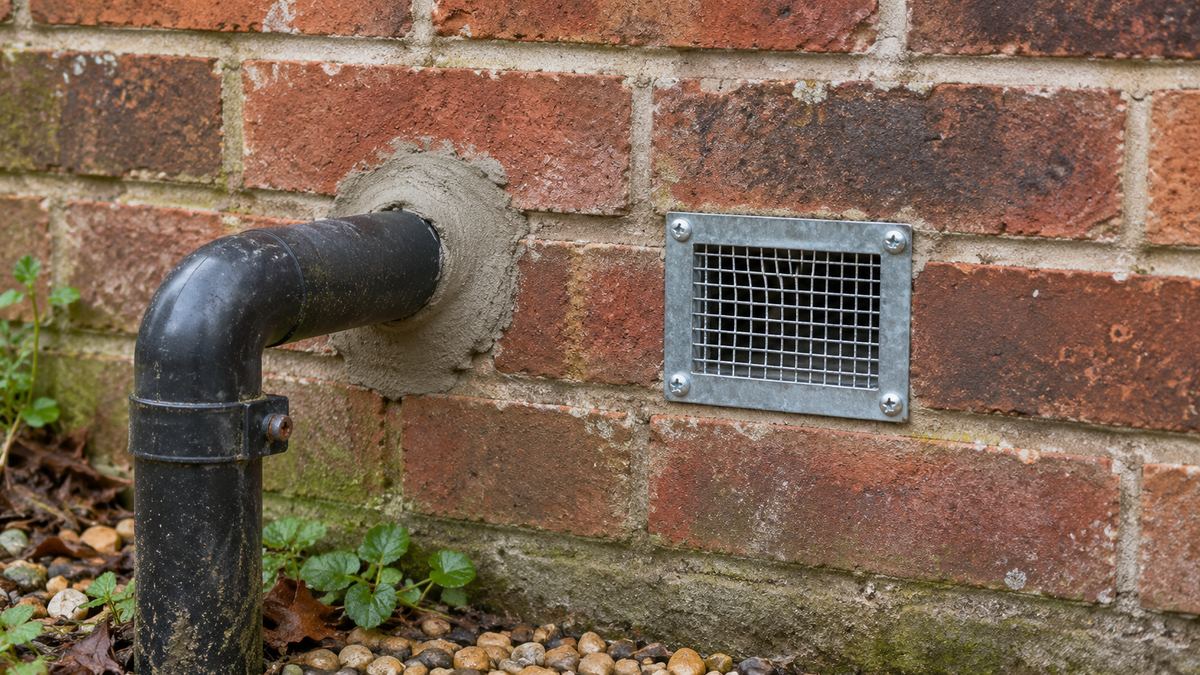
Rats can chew through some metals, particularly soft aluminium and thin, accessible edges. They are much less able to defeat sound steel sheet or properly secured steel mesh. For a lasting repair, the thickness, condition and fixing of the barrier matter as much as the material name.
A shiny patch over a hole is not enough if it bends away from the wall. Before buying proofing materials, look at where the animal can grip, where the patch ends and what is holding it in place.
Why an exposed edge matters more than a smooth surface
Rodents have continuously growing incisors and gnaw a range of materials. An edge, loose seam or existing hole gives their teeth purchase. A broad, smooth metal surface offers less to grip, but a thin corner folded around a pipe may be vulnerable.
Damage also depends on the surrounding construction. A steel cover fixed into rotten timber can pull away without the rat chewing through the steel. Inspect the complete opening, including the wall, frame, fasteners and joints. Our article on what rats can chew through puts metal damage alongside wood, plastic and other materials.
Choose a barrier for the opening you have
| Material | Limitation | Practical use |
|---|---|---|
| Kitchen foil or thin aluminium | Tears, bends and leaves accessible edges | Do not rely on it to close a rodent entry |
| Thin sheet metal | Performance varies with metal, thickness and support | Have the specification checked for the repair |
| Sound steel sheet | Loose edges and poor fixings remain weak points | Solid covers and suitable door repairs |
| Welded steel mesh | Openings or perimeter gaps may allow access | Vent protection where airflow must remain |
| Loose wire wool | Can shift, deteriorate or be pulled out | A filler component, not a finished exposed repair |
| Mortar with suitable metal reinforcement | Needs a sound surround and appropriate joint detail | Some gaps in masonry around fixed services |
Choose mesh with openings small enough for the rodents being excluded, including mice if they are present. Do not judge it by a photograph alone. Check the opening size, wire strength and outdoor corrosion suitability with the supplier or pest professional.
Why pipes and wiring show bite marks
A cable described as copper wiring usually has plastic insulation around its conductor. Rats can damage that covering without chewing through the metal core. Exposed conductors can create a serious electrical hazard; wrapping the outside with tape is not a proper repair.
Plastic water pipes, flexible hoses and soft metal components present different risks. Teeth marks around a service hole may also reflect an attempt to enlarge the route beside the pipe. Have a plumber assess damaged plumbing and an electrician assess damaged household cables.
The same distinction matters under a bonnet. Avoid starting or driving a vehicle with suspected damaged wiring or hoses until a mechanic advises it is safe. What to do after rats chew car wiring explains the next inspection steps.
Repair a gap without creating another hazard
- Photograph the damage and identify what passes through the opening before touching it.
- Check for current rodent activity. Arrange removal and proofing together so animals are not sealed inside.
- Repair crumbling mortar, rotten timber or a loose frame that cannot hold fasteners.
- Fit an appropriate barrier with all edges secured to sound material.
- Preserve required ventilation, drainage and access for maintenance.
- Recheck the perimeter for movement and new gnawing after the work.
Do not stuff conductive metal into an electrical enclosure or around exposed wires. Combustion air vents, flues, cavity drainage openings and fire stopping require the correct building detail. Ask the relevant trade to specify the repair rather than blocking these openings yourself.
Places where a strong patch can still fail
Look closely at corners of garage doors, pipe penetrations behind kitchen units, air bricks and damaged drain covers. A repair can leave a narrow route along its underside that is hard to see from standing height. Use a torch from a safe position and inspect from both sides where accessible.
Expanding foam alone is a poor exposed barrier against gnawing. Sealant may weatherproof a joint, but it should not be asked to carry the whole exclusion job. Read how to rat-proof your house to connect individual repairs into a wider inspection.
Keep a dated record of each opening repaired and the signs nearby. New damage beside an intact patch suggests another weak edge or an overlooked route. Repeated activity, inaccessible service ducts and shared walls deserve a pest professional's inspection rather than another layer of filler.
After the metalwork is finished
Remove accessible food, keep bins closed and clear stored clutter from the repaired wall so you can inspect it. Avoid sweeping or vacuuming dry rodent droppings; follow local public health cleaning advice or arrange professional cleaning for substantial contamination.
For home use, the EchoRepel Ultrasonic Rat Repellent uses ultrasonic sound that rats and mice want to avoid and is poison-free. It cannot repair an opening. Keep physical proofing and checks for fresh activity at the centre of the response.