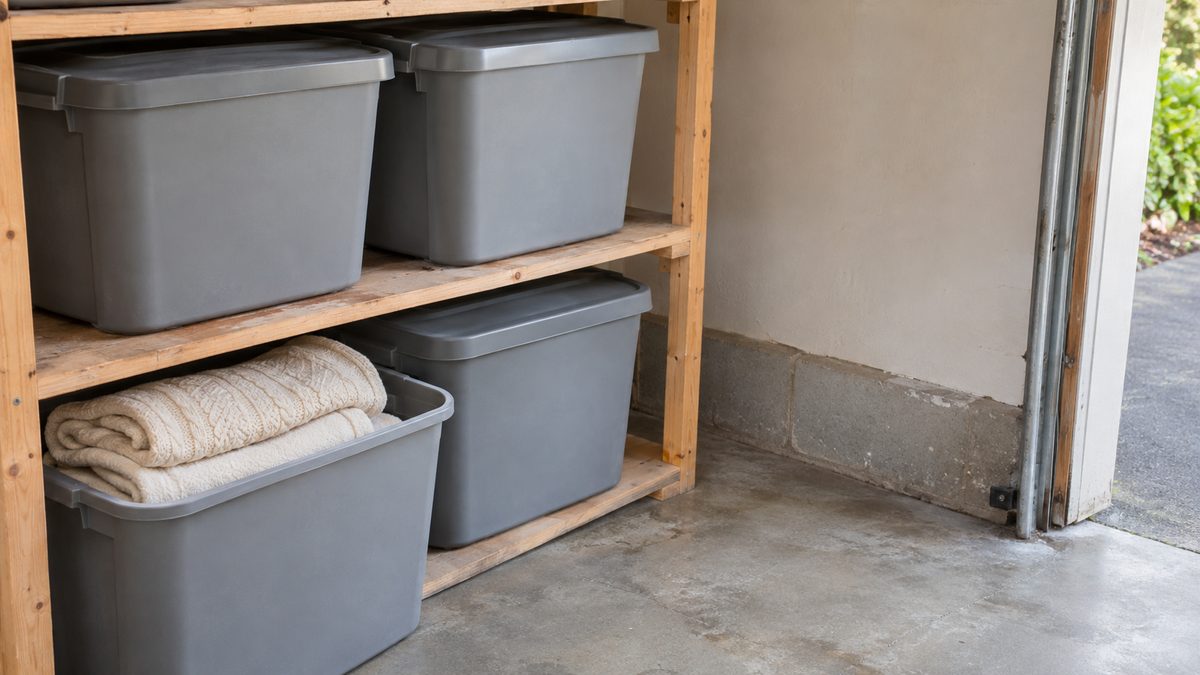
Dryer sheets are not a proven way to keep mice away from a home or stored belongings. The scent fades, and mice may use loose sheets as nesting material. Protect the container and deal with access to the room instead of treating a laundry smell as protection.
The suggestion is easy to understand. A sheet slips into a drawer, suitcase or box without taking up much space, and its fragrance makes the contents smell recently cleaned. That is useful feedback about the smell of your belongings, but it tells you nothing about a gap under the garage door or a mouse inside the cupboard.
Why a scented sheet cannot protect a storage box
There is no good evidence that dryer sheets reliably prevent mouse entry or nesting. Replacing a fading sheet with a fresh one does not fix that problem. Nor does using several sheets make a cardboard carton resistant to gnawing.
A box can remain untouched because mice have not reached it, because another shelter is available, or because there are no mice in the room. None of those possibilities proves that the sheets worked. If you later find damage, look at the signs of mice in a house to decide what else to check before repacking.
Loose sheets can join the nest rather than prevent it
Mice collect soft, shreddable material for nests. A loose dryer sheet can become part of that material, along with tissue, fabric or damaged packaging. This does not mean every sheet attracts mice, but it does mean that putting one into a box provides no assurance that the box will stay clear.
Gathered fibres in a sheltered corner deserve a careful inspection. Do not shake out a suspected nest to see what falls out. Keep the box away from children and pets, and avoid carrying loose contents through living areas. Where contamination is extensive or animals may still be present, ask a pest professional how to proceed.
A practical packing check for seldom-opened belongings
- Sort before packing. Remove food, crumbs, edible decorations and old wrappers from bags, pockets and the bottom of the box.
- Check the container. Reject a cracked base, a distorted lid or damaged corners rather than hiding them under a new sheet.
- Use a sturdy container with a lid that closes properly. Thin fabric covers and cardboard alone give limited protection.
- Pack clean, dry items and close the lid fully. Do not leave a blanket caught across the rim, creating an opening.
- Keep the storage area accessible. Leave room to inspect around the containers instead of filling every gap with loose bags.
- Revisit the store regularly. Look for new gnawing or droppings around the boxes as well as damage to the boxes themselves.
A lidded plastic tub is useful organisation, not a promise that mice cannot damage it. Keep checking its condition. If mice have already been active in the room, container changes need to sit alongside proofing and trapping. Our page about mice in stored holiday decorations covers belongings that spend long periods out of sight.
Inspect the utility room beyond the laundry basket
Start at pipe openings, skirting edges and the external door. Inspect under accessible shelving and behind stored detergent or cleaning supplies. A laundry area may connect to service spaces that are hidden from the rest of the house. Follow visible signs rather than scattering sheets into each corner.
Do not block a dryer vent, air brick or other ventilation opening. Never put sheets around motors, heating parts or electrical connections as a pest remedy. Damaged vents need an appropriate repair that maintains airflow, and signs inside an appliance call for a qualified inspection before further use.
In garages, examine the door threshold and the gaps where services enter. Keep pet food and bird seed in suitable rigid containers, and remove spills beneath shelving. For a wider inspection plan, see dealing with mice in a garage. Repeated damage to stored items often means the room needs attention before the contents are packed again.
Handle a contaminated drawer without spreading dust
Stop using the affected drawer until you have assessed it. Avoid dry brushing, shaking textiles or vacuuming droppings. Follow official public health advice on wet cleaning and on handling contaminated possessions, with gloves and a disinfectant suitable for the surface. Do not spray a disinfectant onto fabric unless its instructions allow that use.
Separate washable items carefully and follow appropriate cleaning guidance and care labels. Badly contaminated porous items may need disposal. If you cannot clean a large upholstered item safely, obtain professional advice rather than covering the smell with laundry fragrance. Our shed and cabin clean-up guide explains why undisturbed stores need care. Contact a doctor if you become unwell following exposure.
Repack only after addressing the mouse route
Repair accessible entry gaps with materials suitable for the building, preserving ventilation. Use appropriate mouse traps in protected positions that children and pets cannot access, following their instructions. Where the route runs through a shared wall or service cupboard, involve the building manager or a pest professional.
Keep a note of fresh signs after cleaning so you can distinguish continued activity from old damage. Check the underside of each container and the space behind it during later visits. A storage room that smells of fresh laundry may still contain mice; an inspected room with repaired access and protected contents gives you much better information about what needs doing next.