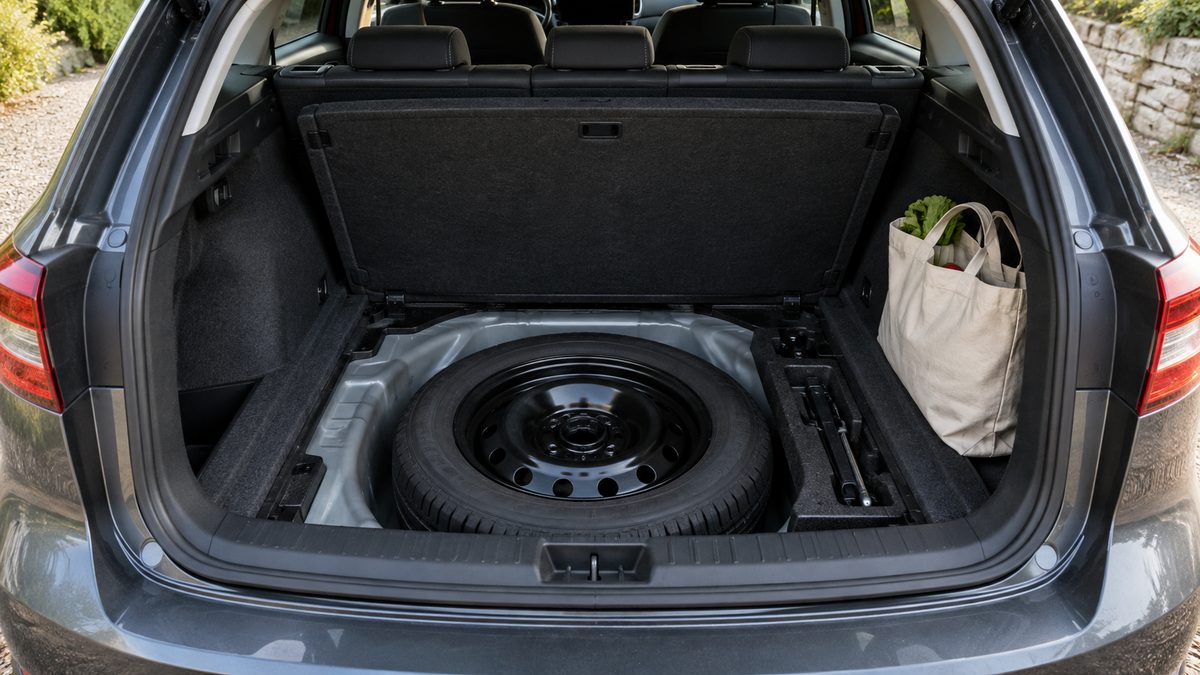
Mice can use a car boot and spare wheel well as a quiet nesting space, especially when bags, cloths or cardboard remain undisturbed. Droppings beneath the boot floor, chewed packaging and shredded liner are reasons to stop using the space for luggage and inspect it carefully.
Finding a nest does not mean the engine is damaged, but the boot should not be treated as an isolated storage cupboard. Rodents can move behind trim and towards wiring. Check visible areas without pulling apart electrical fittings or safety equipment, and involve a workshop when the signs extend beyond accessible surfaces.
Lift the boot floor before loading more bags
Park in a well-ventilated place, switch the vehicle off and keep the key away from the car while inspecting. Open the tailgate and let the space air before leaning in. Keep children and pets away. Start with the upper boot area, then lift the removable floor only as described in the handbook.
Look around the spare wheel, tool tray, jack recess and side storage pockets. A torch helps reveal material pushed into a corner. Take photographs before moving items, particularly if you may need a workshop to trace damage behind the trim. Never taste, sniff closely or touch a suspicious deposit to identify it.
A musty smell can also come from a leaking tailgate seal or damp carpet. Dampness and rodent contamination can occur together, so record both. Our guide to signs of rats in your car gives other areas worth checking before assuming the boot is the only affected space.
Sort stored items by what they are made from
Cardboard shopping boxes, picnic blankets, reusable bags and spare clothing provide hiding places and nesting material. Food residue on those items adds another attraction. Even an empty snack packet can leave crumbs in the seam beneath it. Remove the reason for repeated visits rather than relying on a stronger smell to cover the problem.
- Leave contaminated items in place until gloves, bags and the cleaning method are ready.
- Discard gnawed food packets and food exposed to rodent waste.
- Bag heavily soiled cardboard and other items that cannot be cleaned effectively.
- Keep washable textiles separate from clean laundry until they can be handled and washed safely.
- Inspect hard cases and tool containers, including hinges and underside recesses.
- Ask a workshop about contaminated vehicle carpet, foam or fixed sound-deadening material.
Do not take a dusty blanket into the house and shake it before washing. Avoid sorting potentially contaminated luggage on a kitchen table. If a child seat or other safety item has been affected, consult its care instructions and the relevant professional before deciding it is usable; strong chemicals can damage materials that have a safety function.
Clean the wheel well without sending dust into the cabin
Do not sweep, vacuum or blow dry droppings out of the boot. These methods can spread contaminated dust. For a small accessible deposit on a compatible hard surface, wear gloves and use an appropriate disinfectant according to its label, allowing the stated contact time before wiping with disposable towels.
Keep cleaning liquid away from wiring, connectors and electronic modules. Do not flood the wheel well or spray behind trim. If the affected surface cannot tolerate the disinfectant, or the waste is within porous lining, get advice rather than improvising a chemical mixture. Never mix cleaning products. Bag waste securely and follow local disposal guidance.
Remove gloves safely and wash hands after handling contaminated items. The article on cleaning mouse droppingsexplains the wet-cleaning principle. Large nests, widespread deposits or contamination that cannot be reached without dismantling the vehicle call for professional help. See a doctor if illness follows exposure and mention what happened.
Follow damage beyond the removable carpet
Chewed electrical insulation, exposed wire, damaged seat mechanisms or a warning light need a workshop assessment. Do not assume that a cable is harmless because it sits in the boot. Modern vehicles may have batteries, control units or other equipment there, and electric or hybrid vehicles require particular care around high-voltage components.
Leave unfamiliar covers and cables alone. If there is smoke, a fuel smell or evidence of serious damage, stop using the car and arrange assistance. Tell the workshop where waste was found so staff can prepare for contamination before removing trim. For suspected wiring damage, read what to do after rats chew car wiring.
An odour that returns after visible waste has been removed may mean contamination remains beneath the liner. Repeated fragrance treatment will not resolve that source. Ask whether underlay or trim needs replacement and whether water entry is keeping the space damp.
Repack the boot so changes are easy to spot
Return only clean, necessary items. Keep emergency equipment accessible, but avoid loose paper, open food and piles of fabric. Check beneath the floor when reviewing the spare wheel and tools, rather than waiting until a puncture exposes a nest.
Ask the workshop to inspect body plugs, seals and other possible entrances. Do not block pressure vents or drainage openings yourself. Parking away from food waste and dense ground cover can also reduce nearby attractions. Our advice on getting mice out of a carcovers the wider removal plan. The EchoRepel Car Rat Repellent is poison-free and uses ultrasonic sound that rats and mice want to avoid; it cannot guarantee that a boot will remain clear.