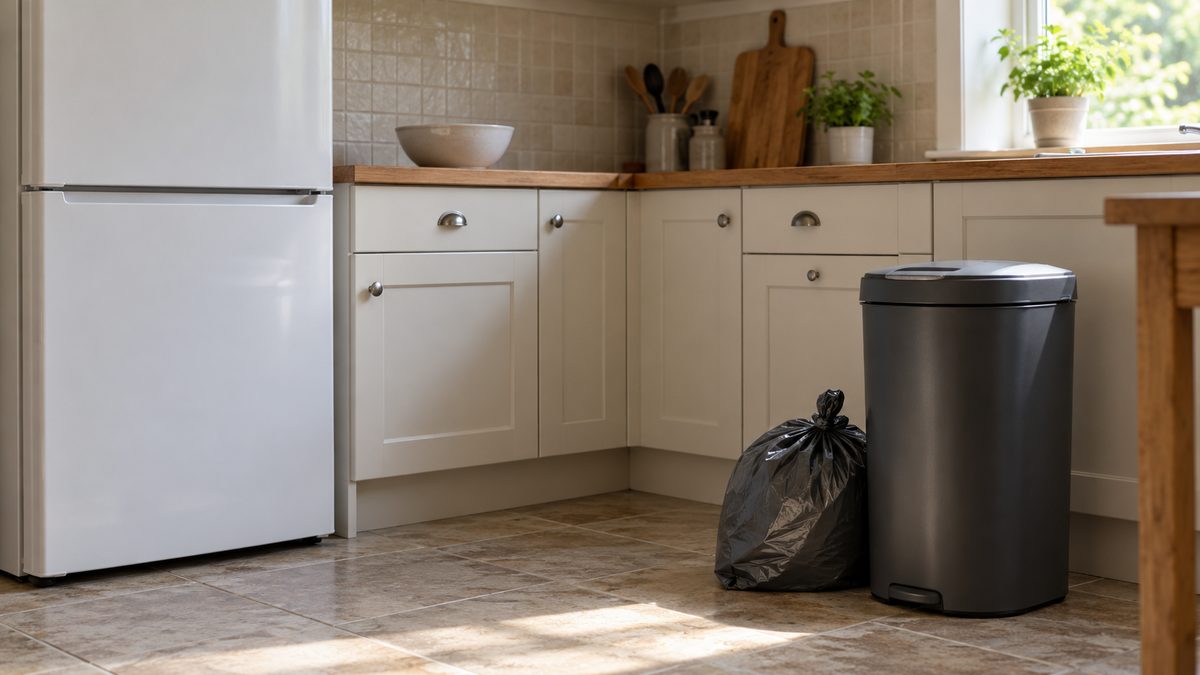
A power cut can increase rodent opportunities when spoiled food, leaking rubbish and doors left open provide food or access. Once electricity returns, deal with electrical safety first, then food and bins, and finally inspect the kitchen for entry points. Darkness alone does not cause an infestation.
Storm Austen brought an amber wind warning to south-west England on 23 October 2026. For households dealing with storm disruption, the useful question is what changed during the outage: did the bin overflow, did rain enter, or was a back door propped open while supplies were carried inside? Similar checks apply after outages in India and the US.
Start with a safe kitchen, before opening cupboards
Do not walk into standing water to reach a socket or switch. If water has reached wiring or an appliance, keep away and get advice from an electrician or the electricity supplier. Restoration of the street supply does not establish that a wet appliance is safe to use.
Use a battery torch to look at the floor, the bin area and accessible worktops. Keep children and pets outside the cleaning area. If you see damaged cables, scorch marks or exposed conductors, stop using the affected equipment and arrange a professional inspection. Our UK power-cut guidance covers the wider household response.
Separate spoiled food from food with rodent damage
A fridge coming back on does not make food safe again. Decisions depend on its temperature history, how long it was without cooling and the food involved. Check current advice from the food-safety authority for your country. If you cannot establish that a perishable item remained safe, discard it; tasting it is not a safety test.
Look separately for gnawed packets, torn corners and droppings around stored food. A dry cupboard item may have avoided the cooling problem but still be contaminated by rodents. Dispose of food that has been exposed to rodent contamination rather than cutting away a damaged section. Keep suspect items apart from the food you intend to retain.
Do not spread everything across the floor while sorting. Use a clear work surface, move retained food into sound, closed containers and take discarded food straight into secure waste storage. This reduces the chance of turning a fridge clear-out into an accessible meal by the back door.
The power-restored clean-up checklist
- Check access is safe. Leave flooded electrical areas and unstable storm damage to qualified help before beginning the kitchen clean-up.
- Record what you know. Note when cooling stopped and returned, and any thermometer readings. Use those facts with official food guidance rather than guessing from smell.
- Contain discarded food. Use sound, closed bags within a rigid bin with a fitted lid. Avoid overfilling it so the lid can close fully.
- Remove residues. Clean food spills from fridge shelves, worktops and the floor with products suitable for the surface, following their labels.
- Check contamination separately. Droppings and nesting material need a careful wet clean-up, not a dry sweep or vacuum.
- Inspect the route outside. Look for spilled waste between the kitchen and the collection point, then check the bin base and lid.
- Revisit entry points. Check the back-door threshold and accessible pipe gaps once the immediate waste is contained.
Bins need attention before the next collection
A loosely tied bag on the patio is still accessible waste. Place it inside a lidded bin and wipe food residue from the rim so the lid seats properly. If collection has been disrupted, ask the local waste service about arrangements rather than leaving extra bags beside the bin.
Keep the area visible and remove cardboard or fallen branches that hide the bin base. Do not wash food scraps into an outdoor drain. Scrape them into contained waste first, then clean the surface without pushing contaminated water towards the house. The advice on food waste and rats also applies to a sudden fridge clear-out.
Look for a route from the back door to the food
Check where a cable or pipe passes through the wall, the bottom corners of doors and damaged vent covers. A door opened repeatedly during an outage may explain a temporary opportunity, but a worn threshold can remain a route long afterwards. Avoid blocking ventilation or sealing drainage openings as a quick fix.
Photograph accessible gaps and arrange suitable repairs. If signs suggest rodents are already inside a wall or appliance void, get pest-control advice before closing a suspected active route. Our house rat-proofing checks help turn a general search into a room-by-room repair list.
If droppings appear during the clear-out
Do not brush, vacuum or blow droppings off shelves. Keep others away, ventilate when safe and use gloves and a wet cleaning method following official public-health advice and the disinfectant label. Never mix cleaning chemicals. Read the mouse-dropping clean-up guidance before disturbing contaminated material.
A large amount of contamination, an inaccessible nest or signs around electrical equipment calls for professional help. If someone becomes unwell after contact with rodent waste or floodwater, speak to a doctor and describe the exposure. This is general household information, not a diagnosis.
Watch what happens after food and access are controlled
Note the location of any sightings and check cleaned, accessible areas for fresh signs. New gnawing, repeated droppings or noises in the same void justify further investigation. A single quiet evening cannot confirm the problem has ended, and one sighting cannot tell you how many animals are present.
If you use an EchoRepel device, its role is limited: it uses ultrasonic sound that rats and mice want to avoid and is poison-free. It needs electricity, so a mains-powered device cannot operate during a power cut. Secure waste, remove food spills and repair access points even when power has returned.