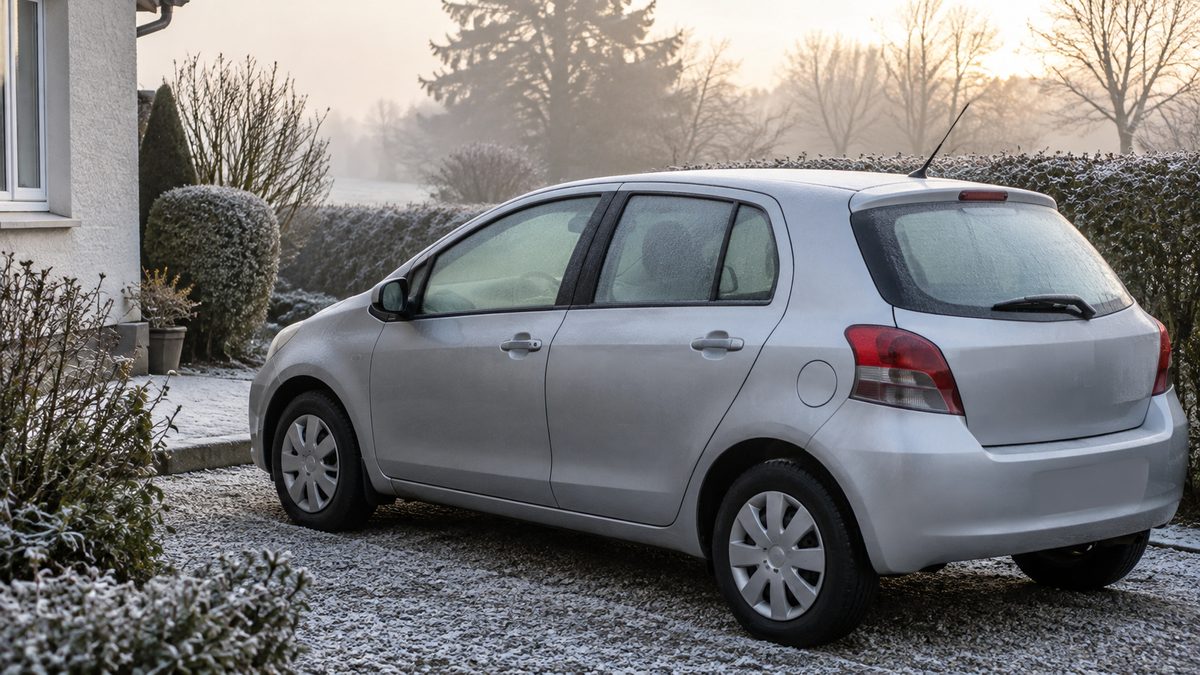
Parked cars can attract rats in winter because they offer covered spaces, temporary warmth after a journey and quiet places to shelter. Food nearby and nesting material inside or around the car can make the location more attractive, while long periods without inspection allow activity to go unnoticed.
Warmth is only part of the explanation. An engine cools after parking, yet sheltered compartments remain. Practical prevention therefore means reducing food and cover, checking the car and dealing with access or damage rather than relying on the idea that a cold engine will be ignored.
Residual warmth fades, but sheltered cavities remain
An engine bay can be warmer than its surroundings after driving. Rodents exploring nearby cover may use it while parked, but the car is not a continuously heated refuge. Underbody recesses, trim spaces and intake housings can still offer protection after the warmth has gone.
An unused vehicle may also be quieter and less disturbed. That does not mean a car driven daily cannot be affected. A nest can begin between journeys, and routine use does not let you see what is gathering beneath a cover. Look for evidence rather than using the journey schedule as a safety test.
Winter conditions vary across India, the US and the UK. Local cold, rain, parking structures and food availability change the setting, so a garage and an exposed driveway need different checks. Our article on why rats move indoors in winterexplains the same search for shelter around buildings.
Food around the parking space matters more than a clean dashboard
A spotless cabin can sit beside an open waste bin, animal feed store or bird feeder. Those nearby food sources can bring rodents through the parking area, where a car offers another sheltered stop. Look beyond the vehicle when activity returns after an interior clean.
Inside, remove wrappers, crumbs, takeaway bags and pet treats from door pockets, seat gaps and the boot. Check shopping bags and boxes left beneath the boot floor. Paper, cloth and foam can supply nest material even where there is little food in the car itself.
Avoid storing spare feed in the garage beside the car. Use secure containers and clear spills around them. The guide to pet food attracting rats covers overlooked food sources, while mice in the car boot explains why an apparently empty luggage area can hide activity.
Wiring damage does not prove the insulation is food
Rodents gnaw a range of materials, and wiring can be damaged during their activity in a vehicle. A chewed cable does not establish that an ingredient in its insulation attracted the animal. Avoid assuming that a particular material or vehicle type is the sole cause without evidence.
The practical issue is the condition of the wiring, connectors and hoses. Exposed conductors, torn insulation and disturbed protective coverings need a workshop assessment. Do not tape a visible patch and assume the rest of the loom is intact; damage can extend beneath covers or along another branch.
Our article on why rats chew modern car wiring considers the question separately from removal. If there is smoke, a burning smell or serious visible damage, stop using the vehicle and arrange assistance. Leave unfamiliar electrical components alone, especially around electric or hybrid power systems.
Build a cold-weather parked-car checklist
- Remove food and loose paper from the cabin and boot.
- Check bin lids and food spills beside the parking space.
- Keep stored material and dense ground cover away where practical.
- Inspect a cool engine bay for loose leaves, nests and gnawed components.
- Look beneath the removable boot floor and around accessible storage trays.
- Clear ordinary clean leaves from the cowl according to the handbook.
- Stop if debris appears contaminated or tangled around wiring and moving parts.
- Record new signs and arrange a workshop check before driving with suspected damage.
Do not reach into a warm engine bay or operate the vehicle to frighten animals away. When you have seen fresh activity nearby, a pre-start visual check is more useful than waiting for an unusual smell on the road. Keep the key away during inspection and follow the handbook for access.
Avoid prevention methods that create another hazard
Do not leave loose rags, plugs or improvised barriers in air intakes. They can be forgotten and interfere with operation. Ask a workshop about any proposed screening so airflow, drainage, moving parts and service access are considered for the specific vehicle.
Strong smells and scattered chemicals do not establish that a nest is gone. Avoid placing poison casually in the engine bay or spraying household liquids onto electrical equipment. A proper plan addresses the parking surroundings, removes animals safely and inspects damage before the car returns to use.
For droppings, avoid household vacuuming, dry brushing and compressed air. Small accessible deposits on compatible surfaces need an appropriate wet-cleaning approach; hidden nests and contaminated filters require professional assessment. Seek medical advice if illness follows exposure and describe the rodent contact.
Follow up after the first clean engine-bay check
Photograph cleared areas and check the same accessible points again. New shredding, deposits or tooth marks mean the cause needs another look, including nearby food sources and shared parking conditions. A clean inspection is useful evidence for that moment, not a guarantee for the season.
The EchoRepel Car Rat Repellent is poison-free and uses ultrasonic sound that rats and mice want to avoid. It cannot repair chewed wiring or promise results. Keep any device use alongside food control, safe inspection and workshop advice rather than allowing it to replace those steps.