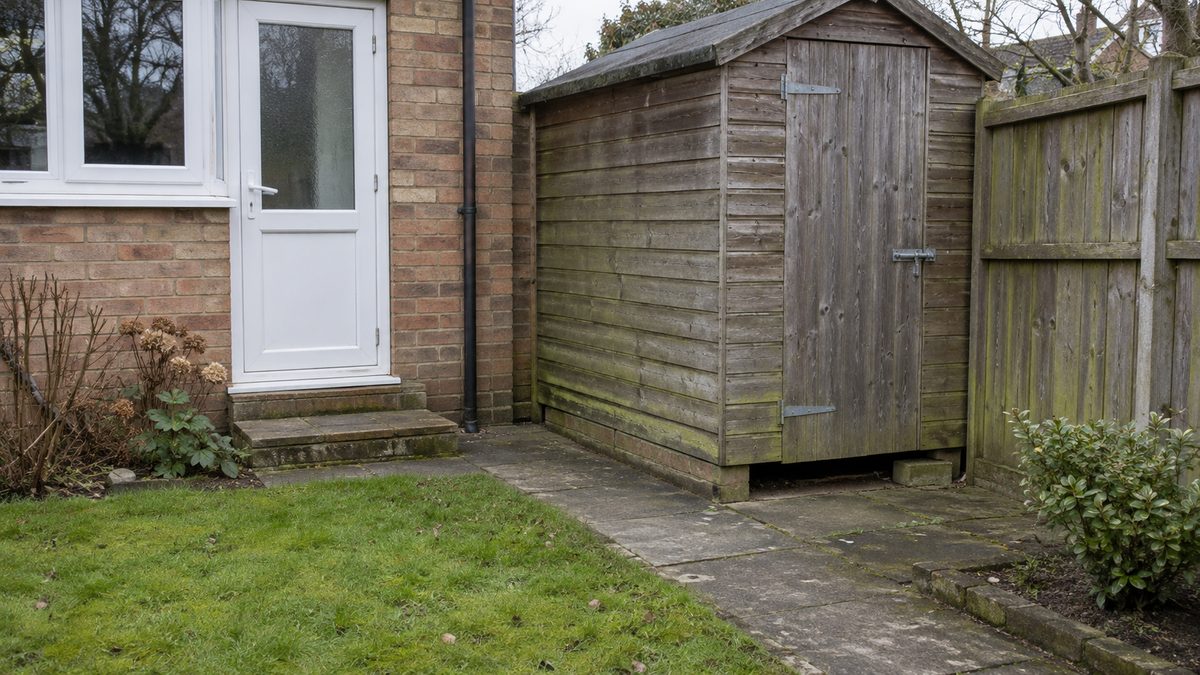
Rats may avoid a cat or dog close by, but having a pet does not reliably keep rats out of your property. Rats can continue using hidden routes where food and shelter remain available. Keep pets away from suspected activity rather than encouraging them to chase or catch a rat.
A dog barking at the garden shed or a cat watching the kitchen units can be a useful prompt to investigate. It is not evidence that the animal has the problem under control. The safer response is to separate the pet from that area and work out what is attracting or admitting the rats.
A rat can avoid your pet and still live nearby
An encounter in an open garden is different from activity beneath decking, inside a wall or behind fixed cupboards. A pet cannot patrol those spaces, and a rat need not cross the part of the garden where the dog is sitting. Less visible activity may simply be happening elsewhere.
Temperament also varies. Some cats hunt, some ignore rodents, and some dogs respond strongly to movement or sound. None of those responses closes a damaged vent or secures a sack of feed. Our page on cats and rat prevention looks at why a hunting pet cannot replace control of the property.
One catch gives you no reliable count of the rats present. Avoid deciding that the problem is over because the pet caught something or stopped watching a particular corner. Look for fresh signs and the conditions that allow activity to continue.
The feeding routine may matter more than the barking
Pet food is still food for a rat. Bowls left outside, spilled dry feed and poorly closed storage bags can support activity even in a garden used by a dog. Check under the feeding mat and around the base of food containers, not just the visible surface of the bowl.
Store feed in sturdy containers with close-fitting lids. Clean spills promptly and remove leftovers when the feeding routine allows. Do not deprive your pet of food or drinking water to manage rats; ask a vet about any feeding needs that require food to stay available. Instead, adjust where and how the area is protected.
Outdoor hutches, bedding stores, bird feed and bins deserve a check too. Our guide to pet food attracting rats helps you examine the whole feeding area without blaming the pet.
What pet behaviour should prompt you to check
| What you notice | What it establishes | Safer response |
|---|---|---|
| Dog repeatedly sniffing a shed corner | Something has caught its attention, not a confirmed rat count | Move the dog away and inspect accessible edges for signs |
| Cat watching the space beneath a cupboard | A reason to investigate the space | Check food and service openings without dismantling fittings |
| Pet digging at a possible burrow | Potential contact with animals or contaminated soil | Stop access and ask a pest professional to assess it |
| Pet carrying a rat | Direct contact has occurred | Separate the pet safely and obtain veterinary advice |
Do not put your hand between an excited pet and a rat. Bring the pet away using its usual safe handling routine. If the animal will not release what it is carrying, contact a vet for advice rather than risking a bite.
Protect pets from rat contact and contaminated areas
Rats can bite when cornered, and rodent urine or other contamination can expose pets to infection. Keep animals out of suspected nesting places and do not let them drink from areas suspected of contamination. Ask your vet about local health risks and appropriate routine protection.
Arrange veterinary advice after a bite or concerning contact, particularly if your pet becomes unwell. Do not wait for a visible wound to become serious. If a person is bitten, wash the wound and seek prompt medical advice. For wider background, see health risks associated with rats. This is general information, not a diagnosis for a person or animal.
Poison creates a risk beyond the bait itself
A pet may encounter bait directly or catch and eat a poisoned rodent. Secondary poisoning is one reason a secured bait station does not remove every risk to pets and wildlife. A rat affected by poison may leave the area where bait was placed.
If bait use is being considered, tell the pest professional which animals use the property and where they can reach. Ask about alternatives, protected placement, inspection and rodent removal. Never scatter bait in a garden because the cat or dog appears uninterested in it.
Suspected bait ingestion or eating a poisoned rat needs urgent veterinary advice, even when the pet seems normal. Keep packaging or treatment details for the vet, and do not induce vomiting unless instructed. Read rat poison safety around children and pets before arranging any treatment.
Make the garden less usable to rats without involving the pet
Close bins, clear dropped food and reduce clutter around sheds. Inspect gaps around doors and services, and arrange suitable repairs while keeping necessary ventilation open. Keep pets away from traps and suspected burrows. A professional can plan safe control where animal access makes ordinary placement difficult.
Recheck the places with activity after the food and shelter changes. Continue until the cause has been addressed, rather than relying on the dog to raise another alarm. Your pet can alert you to a problem; responsibility for inspecting, repairing and arranging safe treatment stays with the household.