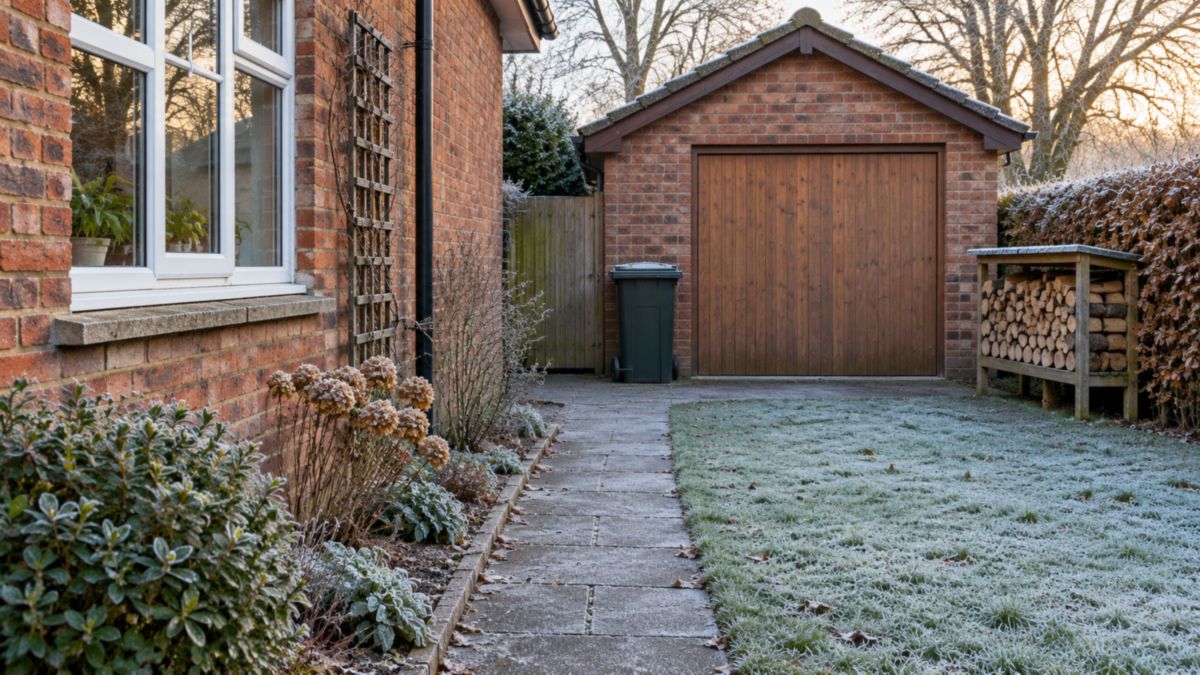
Rats do not hibernate. They remain active through winter and still need food, water and shelter. Cold weather can make a house, garage or parked car more attractive as cover, so fewer outdoor sightings do not mean a local rat problem has ended.
A quieter garden may simply mean rats are travelling along sheltered routes. The useful response is to check food access and entry points before winter, then watch for changes around the places you use every day.
Less visible is not the same as asleep for the season
Hibernation is a prolonged physiological state used by some animals to cope with seasonal conditions. Rats do not spend winter in that state. They rest in nests between periods of activity and can adjust their movements to the conditions and available resources.
Food under a shed, cover beside a fence and access to a building can allow movement without much time in the open. Snow, rain or a tidy garden can make some signs easier to notice while hiding others. A missing sighting is weak evidence compared with repeated checks of the same places.
Keep a simple record of where you find damage or droppings and when you notice sounds. Read signs rats are gone before treating a quiet spell as confirmation that an earlier problem is resolved.
What winter changes around a house
Buildings offer protection from wind and rain, and nearby kitchens or stores may provide food. A rat does not need the whole house to be warm: a sheltered void with access to resources can be enough. Outdoor populations can also remain in burrows and outbuildings.
In the UK and colder parts of the US, seasonal cold can make these sheltered places more useful. Conditions across India vary widely, so use local weather and evidence around your property rather than a calendar date. Mild weather does not remove the need to check an accessible food store or damaged vent.
Look where services enter external walls, beneath doors and around damaged masonry. Trace high routes as well: how rats reach the loft explains how lower openings can connect to roof spaces.
A cold-weather inspection from kitchen to garage
| Place | Check for | Useful response |
|---|---|---|
| Food cupboard | Split packets, spillage and gaps behind units | Protect food in sound containers and inspect the wall |
| Bin area | Open lids, loose bags and spilled scraps | Close containers and remove accessible waste |
| External doors | Damaged thresholds and loose corner seals | Arrange a durable repair that closes the route |
| Shed or garage | Seed sacks, pet food and undisturbed boxes | Secure stored food and leave space for inspection |
| Parked car | Debris, droppings and chewed coverings | Inspect safely before use and involve a mechanic for damage |
Work from visible evidence rather than opening every wall or moving all the loft insulation. If fresh signs keep appearing, a pest professional can identify the animal and trace the route before repairs. Coordinate exclusion so rodents are not sealed inside.
Why a parked car deserves its own check
An engine bay has enclosed spaces, and parts can retain warmth after a journey. A car left undisturbed may also provide shelter after it cools. Nearby bins, stored animal feed and dense vegetation can add resources or cover around the parking place.
Using the car does not guarantee that rodents stay away. With the vehicle parked safely, engine off and components cool, look for unfamiliar leaves, shredded material and visible chewing. Keep hands away from fans and moving parts, and follow the vehicle handbook for any access procedure.
If you see damaged wires or hoses, arrange a workshop assessment before starting or driving. Do not run the engine to frighten an animal out. What attracts rats to cars in winter covers the parking conditions, while winter car storage checks helps with vehicles left standing.
Change the resources, not just the smell
Start with food that can be reached every night. Clear spilled bird seed, bring leftover pet food indoors and keep refuse in containers with sound lids. Inspect sacks in garages as carefully as food in the kitchen; a closed door does not compensate for a gap at its base.
Move clutter away from walls where practical so you can see damage and droppings. Keep stored logs and garden materials from concealing the building edge. Repair defects using suitable materials; metal proofing choices explains why a loose or thin patch can fail.
Strong fragrances and household chemicals do not close access routes. Do not put flammable products around an engine or scatter substances where children and pets can reach them. Obtain professional advice if you cannot safely identify or repair the entrance.
When the signs stop, keep checking the same places
After removal, cleaning and repairs, compare the previously affected spots for new damage or contamination. Old evidence can remain, so a dated record is more useful than memory. Do not vacuum or sweep dry droppings; consult official local public health guidance for cleaning, especially before disturbing a closed shed.
This is general information. Seek medical advice if you become unwell after rodent exposure, and tell the doctor about the contact. Large contaminated areas or inaccessible nests are better assessed by professionals than disturbed during a routine tidy.
For the home, the EchoRepel Ultrasonic Rat Repellent uses ultrasonic sound that rats and mice want to avoid and is poison-free. Continue checking entrances, food storage and fresh signs through cold weather. Rats' year-round activity is the reason those practical checks remain useful.