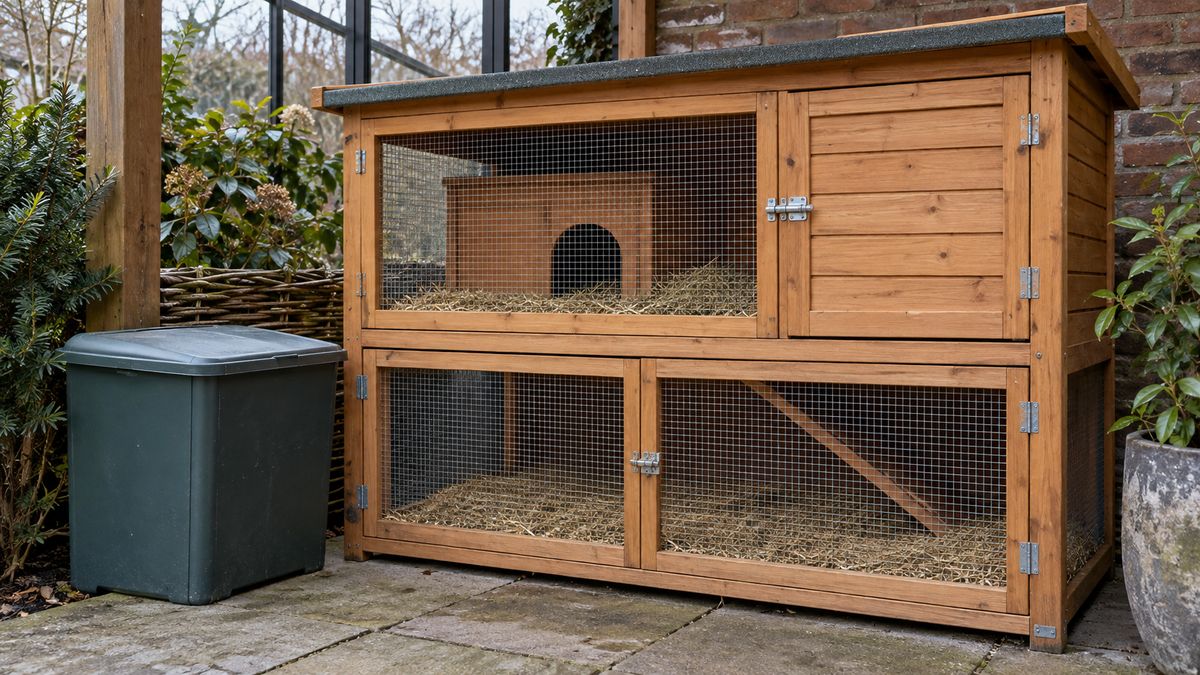
Winter hutches can attract rats when feed, water and sheltered bedding are accessible. Reduce the attraction by storing feed securely, collecting spilled food and checking the enclosure for damaged edges and openings. Keep your rabbits' or guinea pigs' feeding, warmth and ventilation needs intact, and ask a vet about any proposed change that affects their care.
Protect the pet before changing the routine
Finding a rat nearby is unsettling, but removing all food overnight is not a suitable general answer. Rabbits and guinea pigs need appropriate ongoing access to their required diet, including hay. Ask a vet for advice specific to the animals rather than rationing essential food to discourage rats.
Look at the pet's condition as well as the enclosure. Injury, unusual behaviour, reduced eating or suspected contact with a rodent warrants prompt veterinary advice. Keep children away from any wildlife and do not ask them to chase it out of the hutch.
If the enclosure has been breached, arrange a secure temporary space suited to the pets while repairs and pest assessment take place. Avoid an abrupt move to unsuitable conditions; your vet can advise on safe accommodation.
Separate bulk feed from the feeding area
Keep spare pellets and other suitable dry feed in rigid containers with sound, close-fitting lids. Store them in a dry place where you can inspect beneath and behind them. A sack tucked under the hutch combines food with cover.
Retain feed instructions and inspect stock for dampness or damage before use. Do not mix a suspect batch into clean supplies. Gnawed or fouled feed should not be given to pets even if much of the bag appears untouched.
During feeding, measure the appropriate portions for the animal's diet and collect spills promptly. The guide to pet food and rat attraction explains why stored supplies matter as much as the bowl itself.
Build rodent checks into ordinary hutch care
| While doing this | Also check this | Act on |
|---|---|---|
| Providing fresh feed | The ground and shelf below the bowl | Spilled pellets and damaged feed containers |
| Replacing soiled bedding | Corners, floor edges and hidden joints | Holes, gnawing or unfamiliar droppings |
| Checking water | Connections and the surface underneath | Leaks and persistently wet bedding |
| Closing the enclosure | Latches, mesh joins and door frames | Loose fittings and gaps that have opened |
Photographs help show whether an edge is deteriorating. Keep a brief note of fresh signs instead of assuming every dropping belongs to the pet or, conversely, that every dark speck means rats.
Do not dry-sweep suspected wild rodent waste. Isolate affected areas from pets while taking cleaning advice, and use a professional for widespread contamination. Ask a doctor about human symptoms following exposure; this article is general information.
Inspect the enclosure without sacrificing airflow
Look for rotten timber, chewed floor edges, loose mesh and gaps where doors meet frames. A patch must be secure and safe for the resident animal too. Exposed sharp wire or an easily detached fixing creates another risk.
Do not wrap the entire hutch in impermeable material to close every opening. Ventilation and protection from damp remain necessary. Consult a vet or competent enclosure specialist about safe winter protection and appropriate rodent-resistant construction.
For a hutch placed inside an outbuilding, also inspect that building. Winter shed proofing addresses doors, roof joints and service entries that a hutch repair alone cannot solve.
Change the surroundings as well as the hutch
Keep unused timber, sacks and garden waste from accumulating alongside the enclosure. Leave enough access to inspect its back and sides. Do not relocate a hutch onto unstable ground or into exposed weather simply to move it away from a fence.
Secure nearby bins and inspect compost arrangements. Clean feed spills along the route from the storage container to the hutch. If wild birds scatter seed nearby, consider the advice on managing bird feeders around rats.
Check under raised structures from a safe distance. A raised hutch is not automatically inaccessible to rats, which can climb. Do not reach into burrows or seal an occupied space without an assessment of what is using it.
Choose pest work around pets with professional advice
Do not put loose poison or accessible traps beside a hutch. Pets, children and other wildlife need protection, and treatment should account for the enclosure's daily use. Tell the pest professional exactly which animals live there and where they exercise.
Do not assume that a sound-based device is suitable near rabbits or guinea pigs because it is poison-free. Ask the vet and manufacturer about the particular setting before using one. Keep the pet's ability to rest, feed and behave normally central to the decision.
After treatment or repairs, continue checking feed containers and enclosure edges during routine care. Fresh damage or another breach needs reassessment. The objective is secure, suitable accommodation with less accessible food around it, rather than a one-off attempt to frighten rats away.