No, mice do not hibernate. They stay active during winter, and a home, garage or parked car can offer shelter when outdoor conditions become harsher. Cold weather is a reason to check for access and nesting opportunities, not a reason to assume mice have gone quiet for the season.
The pressure to move indoors varies with the local climate and the food available outside. A cold UK winter, a snowy US region and a mild Indian city will not create identical conditions. Base your response on signs around your property rather than a calendar date.
Winter changes shelter choices, not the need to feed
Mice still need food and a protected place to rest. Outdoors they may use nests and sheltered spaces; indoors they can exploit cupboards, voids and undisturbed storage. A building does not have to be warm throughout to provide a useful refuge from rain, wind or cold.
Seeing fewer mice outside does not tell you where they went. They may be using different cover or moving when you are not watching. Fresh droppings, damaged food packets or new gnawing indoors are more useful clues than the outdoor temperature alone.
Rats also remain active rather than hibernating. Our article do rats hibernate? explains that related question, but take time to identify which animal is involved before choosing control equipment.
Check the kitchen before moving winter storage
Begin where food is available. Look along accessible cupboard edges, under the sink and around pantry containers. A small tear in a packet may be more informative than an unexplained noise. Keep food in sound closed containers and clean crumbs from surfaces and reachable floor edges.
Next inspect openings where pipes or cables enter the kitchen. An indoor gap may lead to a cavity, so follow the route towards the outside where possible. Do not push metal into an electrical opening or seal ventilation because it looks like an entrance.
When bringing boxes down from a loft, examine the outside before carrying them through the house. Stop if you find droppings or shredded material. Avoid shaking dusty decorations indoors. See mice in stored holiday decorations for handling contaminated storage.
A garage can connect feed, shelter and the house
Pet food, bird seed and grass seed can make a garage useful to mice. Store these in suitable closed containers and clear spills without leaving an open bag nearby. Cardboard piled against a wall can conceal both a nesting space and the gap mice use.
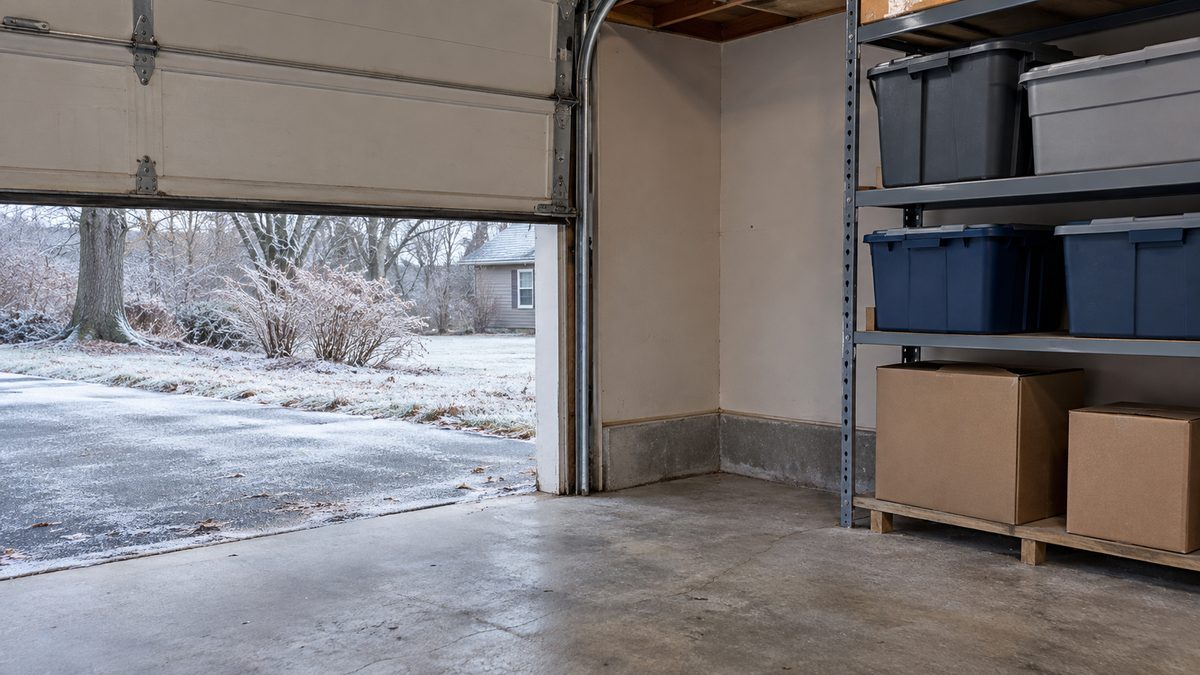
Inspect the garage door when it is closed. Look at the corners, threshold and any damaged seal, then check service entries and the connecting door to the house. Repair the building route as well as removing attractants; tidy storage alone does not stop access.
- Leave accessible space beside stored containers for inspection.
- Remove food wrappers and loose nesting material from shelves.
- Check seals after maintenance or a cable installation.
- Keep traps, if used, protected from children and pets.
- Record new droppings after safe cleaning rather than judging activity from old debris.
For recurring activity, use the route checks in mice in a garage. Shared garages may require the building manager to address access beyond your parking space.
Inspect a parked car before starting it
A stationary vehicle offers sheltered spaces, including around the engine bay and ventilation intake. That does not mean every parked car will develop a nest. Risk depends on access, nearby food and cover, and how long activity goes unnoticed.
With the engine off and cool, look for leaves gathered unusually, droppings, shredded insulation and visible cable damage. Keep hands away from fans and components, and follow the handbook. Remove food from the passenger compartment and boot, including forgotten snacks in storage pockets.
If you find chewed wiring, a strong unusual smell or material inside an intake, arrange a workshop inspection before operating the affected system. Do not run the engine simply to frighten an animal away. Our guide to mice in your car covers the next steps.
Choose winter checks that reveal new activity
Build inspections around changes: a cold spell, a delivery of stored goods, a long period away or fresh damage. Note the location and photograph accessible signs. Cleaning safely creates a clearer starting point for recognising new droppings, but do not dry sweep or vacuum contaminated material.
Closing unused entry gaps and securing food can begin promptly. Where a route is active, coordinate proofing with control to avoid shutting animals inside hidden spaces. Get professional help for repeated signs, inaccessible nests or extensive contamination rather than waiting for spring.
A quiet week is not a winter dormancy period and does not prove the building is clear. Continue checking the places that supplied shelter and food, especially after repairs. The aim is to remove the reasons mice can stay, while confirming that fresh activity has stopped.